
Tungsten is a strategic rare metal relied upon by the defense industry, the aerospace industry, and precision manufacturing. Wolframite, also known as tungsten manganese ore, is the primary source of metallic tungsten. Wolframite has a high tungsten content and is moderately difficult to process. If your mineral processing plant is preparing to process wolframite and wishes to utilize this resource efficiently, this practical processing guide is worth considering.
As a professional supplier of ore processing equipment, Sandreck provides detailed information in this guide on the properties, distribution, uses, and processing equipment for wolframite.
1. Properties of Wolframite
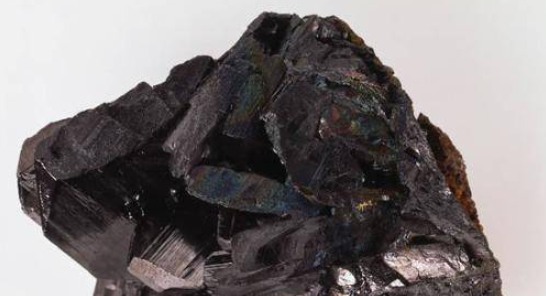
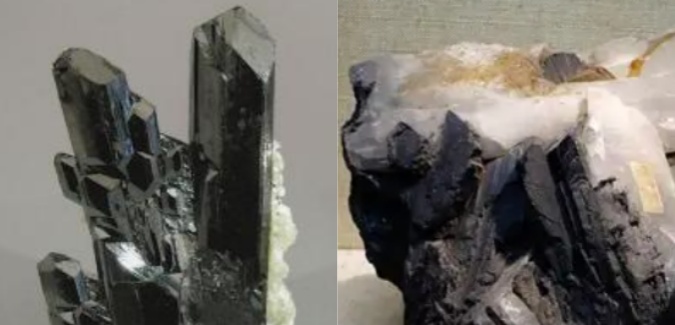
Wolframite ore is composed of ferberite and hübnerite, and is not a single mineral. It is commonly found in high-temperature hydrothermal quartz veins, often associated with minerals such as cassiterite, molybdenite, and fluorite. When the MnWO₄ content in iron-manganese ore exceeds 80%, it can be defined as manganese-tungsten ore.
Wolframite has weak magnetism. If the iron content in the ore is high, the magnetism will increase, and you can use magnetic separation to enrich the tungsten-manganese ore.
Wolframite ore has an extremely high melting point of 3410℃ (6170℉). Among non-alloy metals, it has one of the highest melting points. This is the core reason why tungsten products have high-temperature resistance. Tungsten manganese ore is chemically stable and has strong resistance to acid and alkali corrosion. However, it will decompose under high temperature, high pressure, and alkaline conditions.
Crystal System: Monoclinic. Crystals are mostly platy, strip-shaped, or short columnar.
Mohs Hardness: 4-4.5
Specific Gravity: 7-7.5
Color: Grayish Black
2. Distribution of Wolframite
The formation of wolframite is related to crustal movements, and its reserves are relatively concentrated. It is mainly distributed in the Circum-Pacific and Alpine-Himalayan Metallogenic Belts. China is the country with the world’s richest tungsten resources, accounting for more than 90% of the world’s total reserves. The southern part of Jiangxi Province, the eastern part of Hunan Province, and the northern part of Guangdong Province are world-renowned tungsten-manganese mining areas, accounting for about 60% of global output.
3. Uses of Tungsten
The primary function of tungsten-manganese ore is to extract metallic tungsten. Processed tungsten products are widely used in industry, defense, and high-tech fields.
1. Tungsten Carbide: Over 60% of tungsten is used to produce tungsten carbide. Tungsten powder combined with carbon forms tungsten carbide (WC), which possesses extremely high wear resistance and hardness. Tungsten carbide is commonly used in the manufacture of cutting tools, mining drill bits, and precision molds.
2. Aerospace and Defense: Due to its extremely high strength and melting point, tungsten is widely used in the manufacture of high-temperature components, including aircraft engines, rocket nozzles, and spacecraft shells. Furthermore, tungsten is used in the manufacture of armor-piercing projectiles, artillery barrels, and gun barrels, which are crucial for maintaining national defense security.
3. Electronics and New Energy: Tungsten has excellent electrical conductivity and high-temperature resistance, making it a key material in the manufacture of lamp filaments and photographic lights. It is also widely used in the manufacture of semiconductor chip components. In the new energy field, tungsten can effectively improve the conductivity of new energy vehicle batteries and extend the service life of wear-resistant components in wind power generation equipment.
4. Chemical and Pharmaceutical Industries: Tungsten compounds (such as tungsten disulfide and tungsten oxide) processed from tungsten ore have unique chemical properties and can be used as catalysts or lubricants. Tungsten can also be used as a radiation shielding material to protect patients and medical personnel.
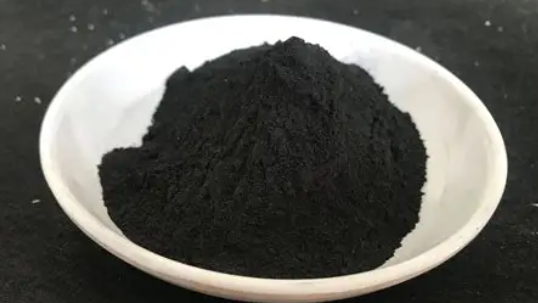
4. Wolframite Processing
1) Crushing and Screening
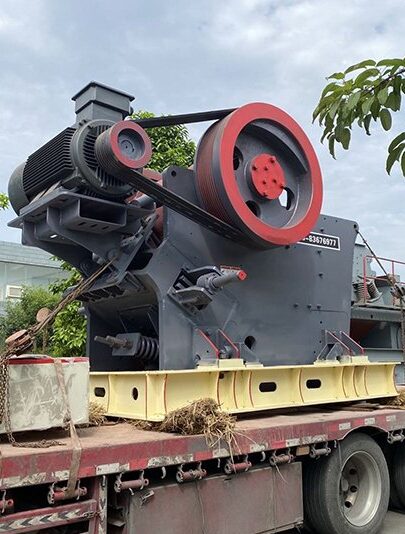
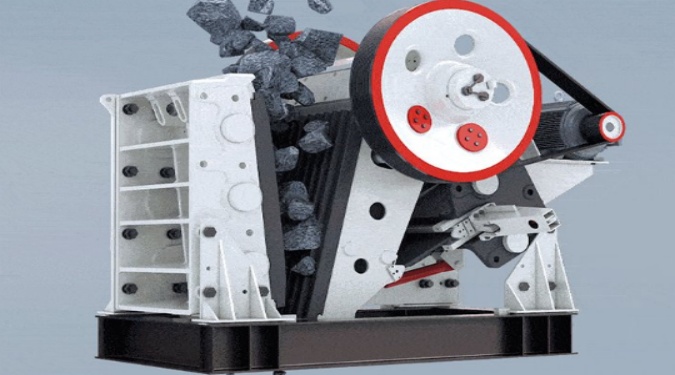
Coarse crushing uses a jaw crusher to control particle size to 100-150mm. For medium crushing, a cone crusher can be used to crush the tungsten ore to 20-30mm. For fine crushing, an impact crusher can be selected to obtain ore smaller than 5mm.
Next, a vibrating screen separates oversized or substandard ore, which is then returned to the impact crusher for further crushing.
2) Grinding and Classification
Grinding completely separates tungsten ore from gangue and other minerals, which is crucial for improving the recovery rate of subsequent beneficiation processes.
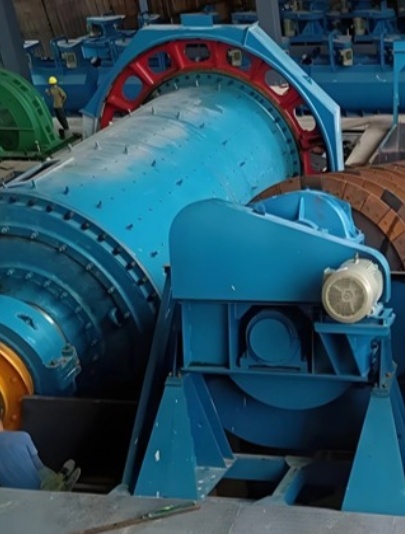
Common equipment includes a mill + spiral classifier/hydraulic hydrocyclone, forming a closed grinding system. The mill can be a rod mill or a ball mill. Rod mills have less over-grinding and are therefore recommended for the coarse-grinding stage of wolframite. Ball mills can directly grind the ore into a slurry. During the grinding process, it is necessary to control the slurry concentration and grinding time.
3) Mineral Processing Stage
(1) Gravity Separation
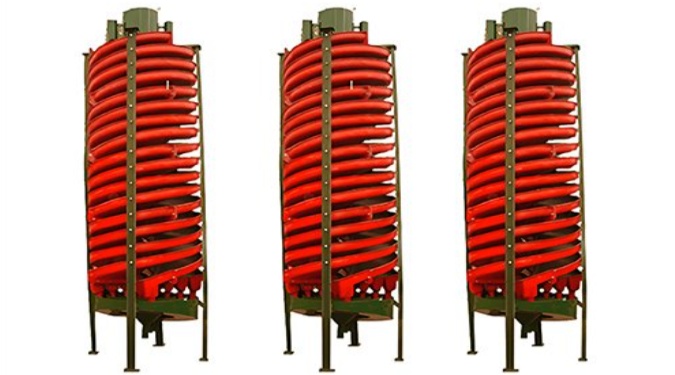
The specific gravity of wolframite is 7–7.5, while that of gangue is typically less than 2.7. This characteristic enables recovery of most medium- to coarse-sized tungsten particles. The ground slurry is fed into a shaking table, where the tungsten ore settles to the bottom. Further screening is then performed on the shaking table to remove impurities, yielding a rough concentrate.
(2) Magnetic Separation
Tungsten manganese ore is weakly magnetic. Its magnetism increases with increasing iron content in the ore. A weak magnetic separator can be used to remove strongly magnetic impurities (such as magnetite) from the slurry, while simultaneously enriching the tungsten ore. At this stage, the magnetic field strength of the separator needs to be strictly controlled to avoid excessively strong magnetic fields affecting the concentrate grade.
(3) Flotation
Some tungsten manganese ore particles are extremely fine and difficult to separate. This portion of the tungsten ore can be recovered using flotation. Collectors and modifiers are added to the flotation cell, causing the tungsten ore particles to adhere to the surface of the bubbles and rise with them to form flotation froth (rough concentrate). The pH value of the slurry needs to be strictly controlled during the flotation process to ensure flotation efficiency.
4) Concentration and Dewatering
You can perform secondary concentration on the rough concentrate to remove impurities and improve the concentrate grade. Then, the tungsten concentrate is dewatered. We recommend using a concentration and dewatering system to remove water from the slurry, reducing the concentrate moisture content to below 10%.
Wolframite is a high-value strategic mineral resource. With continued growth in market demand and technological advancements, wolframite processing will become more efficient, energy-saving, and environmentally friendly. This guide aims to help you improve the efficiency of your beneficiation plant.
For information on related processing equipment, please contact Sandreck today.