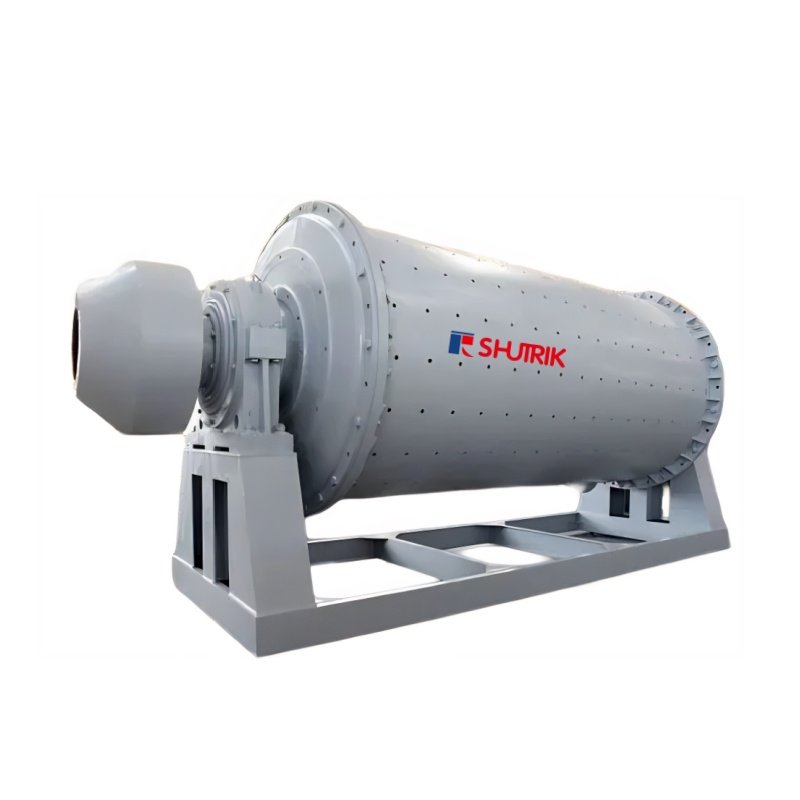

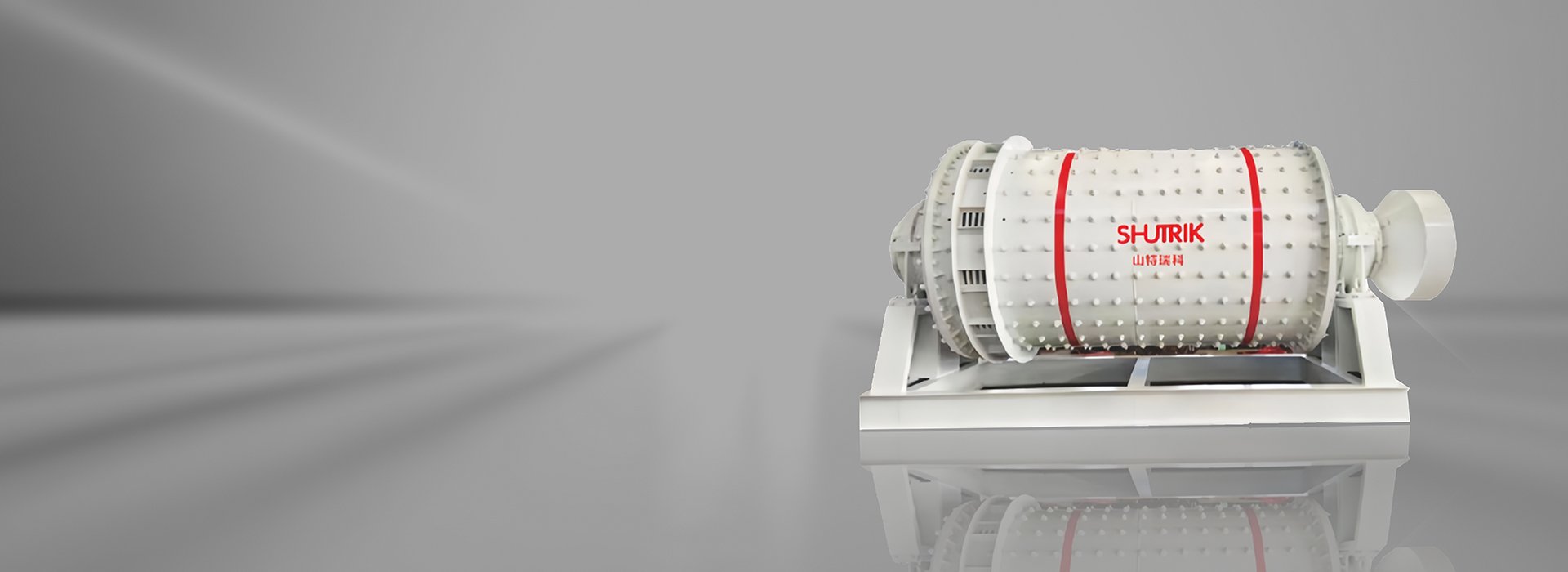
Superior Grinding Rod Mill
A rod mill is a type of grinding equipment that uses steel rods as the grinding medium. It is used for coarse grinding, mineral liberation, or particle shaping of ores and other materials.
- Production capacity: 9.5–340 t/h
- Power range: 132–1000 kW
- Rod charge: 17–94 t
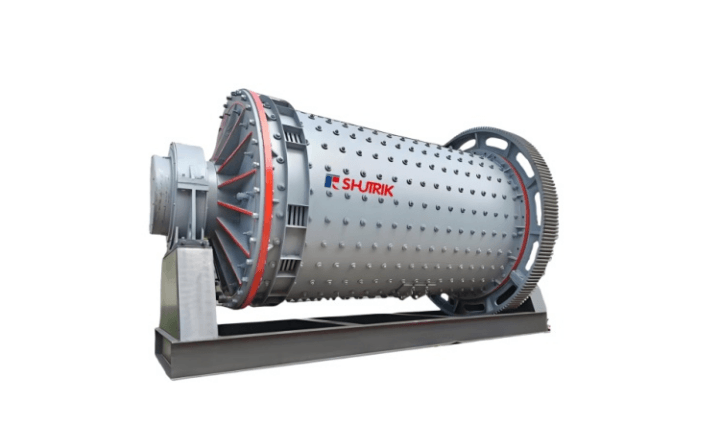
China's Leading Rod Mill Manufacturer
Rod mills (also known as rod-type sand-making machines) are widely used for manufactured sand production, mineral processing, and raw material processing in chemical plants. As primary grinding equipment capable of both wet and dry operation, they can crush high-strength materials with a Mohs hardness of 5.5 to 12, including metal ores, quartz, and granite.
Sandreck’s rod mills utilize multi-stage grinding technology to effectively control product particle size. Designed to handle both high-capacity coarse and fine crushing, they provide a reliable industrial grinding solution.
Our rod mills can serve as an alternative to short-head cone crushers for fine crushing operations. Compared to a “cone crusher + screen” setup, this configuration offers a simpler process flow and lower costs. They are commonly used to crush a wide range of materials, including soft, small, and hard materials.
Advantages of Rod Mill

The Sandreck rod mill has a PLC one-button control system that can complete production with a single press.

Adopt advanced bearings such as SKF/NSK. The service life is extended by 10-20%.

Built-in fineness control device, easy to adjust the particle size of discharge, which can reach less than 1mm.

Equipped with a dust prevention system, meeting national emission standards.

The rod mill is equipped with motors from Siemens and Huali, ensuring stable operation and high production efficiency.

Rod mills are very popular for grinding, especially for ores with particle sizes less than 20-30mm.
Anti-Clogging Design
Our rod mill features a custom anti-clogging design tailored for high-viscosity materials. By combining specialized mixing teeth with a drying system, it effectively resolves issues related to material stickiness inside the mill.
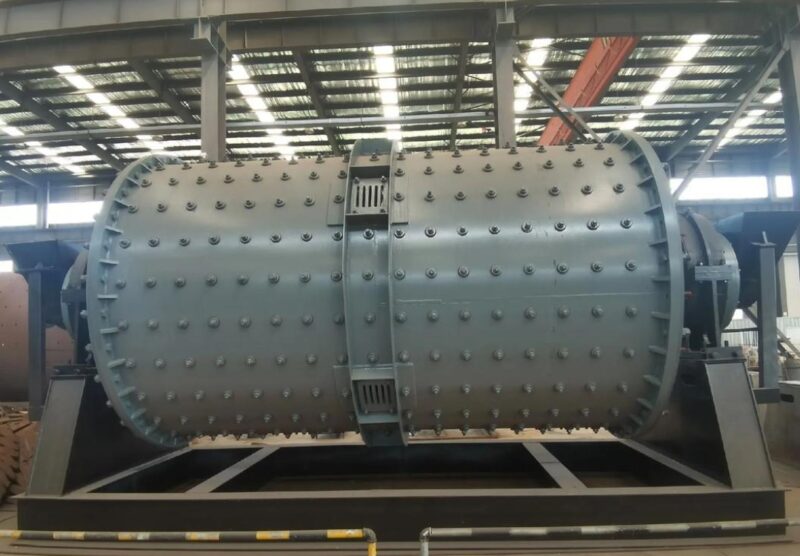
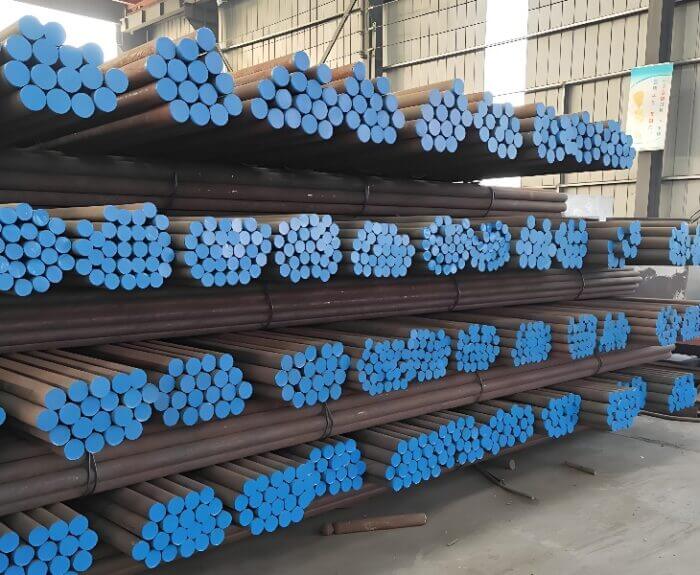
Wear-resistant Steel Rods
Wear-resistant alloy steel rods used in Sandreck‘s rod mills can extend the service life of wear parts by two to three times, thereby saving tens of thousands of dollars annually in wear-part costs.
Scientific Ratio of Steel Rods
The rod mill uses a scientifically determined ratio of steel rod sizes to ensure a uniform discharge grain size. An optional intelligent monitoring system automatically adjusts operating parameters, aiming to achieve a 100% first-pass product pass rate.
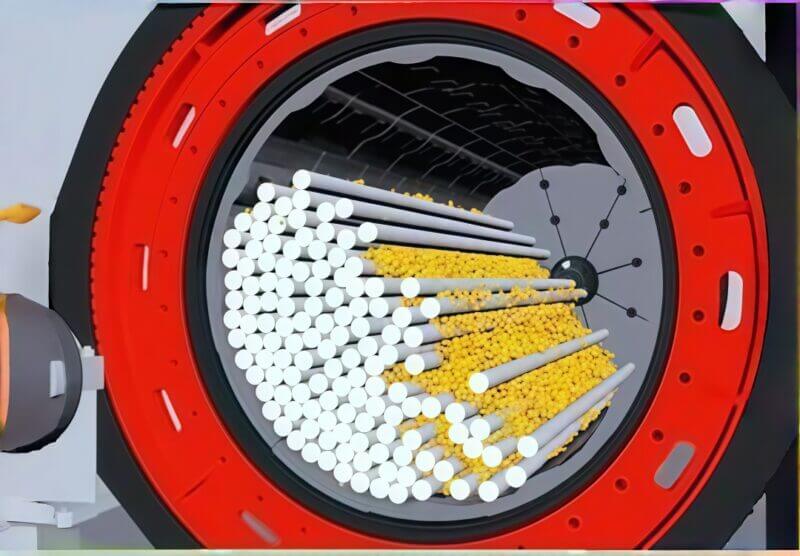
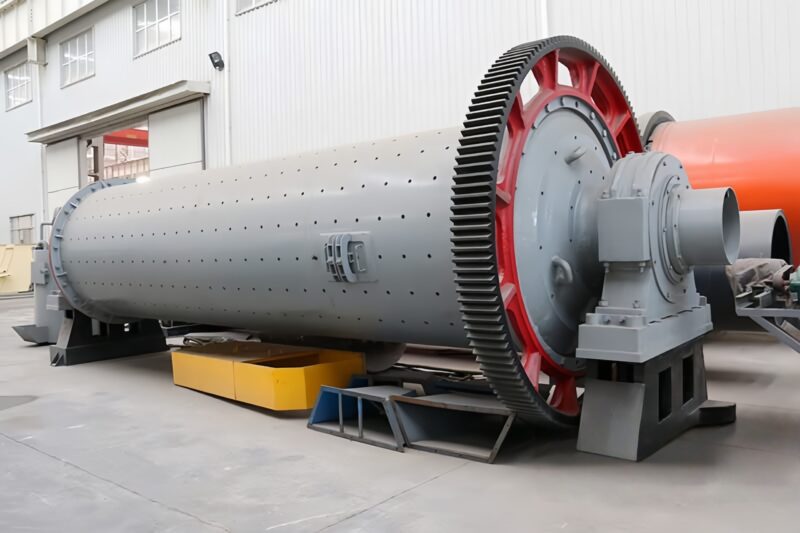
Innovative Steel Rod Feeding Port Design
The rod mill manufactured by Sandreck features an innovative side-opening feed port for grinding rods, enabling rapid replacement within one hour and thereby significantly reducing downtime.
Sandreck Rod Mill: A Comprehensive Grinding Machine for Different Industries
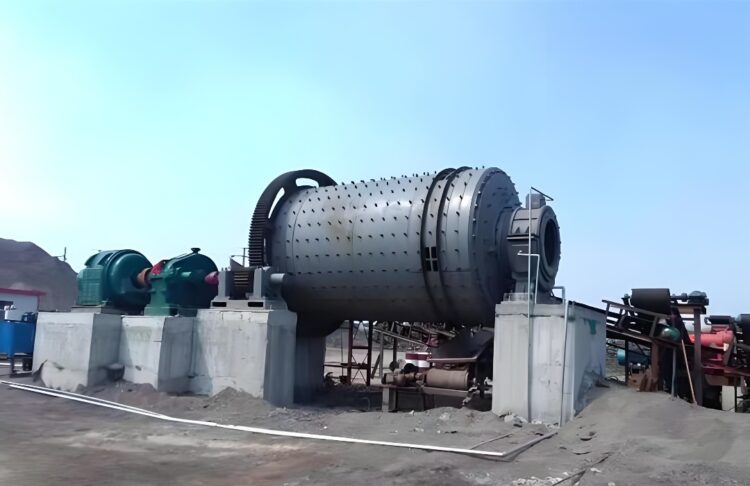
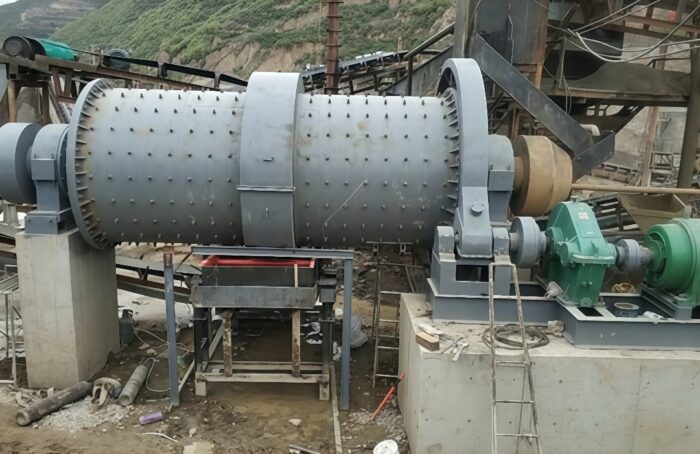
This versatile rod mill meets the grinding requirements of various industries, offering superior solutions for metallic and non-metallic ores, construction materials, and specialty materials.
Metallic Ore Processing
This rod mill is specifically designed for the “coarse grinding” of ores such as copper, iron, and gold (reducing run-of-mine ore from 20–50 mm to 1–3 mm). It meets the stable production demands of large-scale mineral processing plants, achieving throughputs of 200–500 tons per hour.
Non-metallic Ore Processing
For materials such as quartz sand and feldspar, the rod mill grinds the feed to a precise particle size (e.g., 1–2 mm) while minimizing over-grinding. The equipment allows for rapid material switching without disrupting the production flow and helps reduce classification costs.
Construction Materials and Aggregates
Our rod mills deliver high-capacity raw material grinding (≥300 t/h) for cement plants and provide integrated grinding and shaping systems for aggregate plants, producing manufactured sand that meets construction standards.
Specialized Applications
We offer rod mill models equipped with chemically resistant stainless steel liners for processing corrosive materials, as well as mobile and compact units designed for rapid deployment on temporary projects.

Technical Parameters Diagram
- details
Model | Cylinder Size (mm) | Cylinder Speed (r/min) | Rod Loading (t) | Feed Size (mm) | Discharge Size (mm) | Production Capacity (t/h) | Installed Power (kw/h) | Dimensions (mm) | Weight (kg) | |
| diameter | length | |||||||||
| WP200 | 2400 | 4500 | 21 | 30 | <25 | 0.074-5 | 100-200 | 280-315 | 10500*3250*4120 | 65-70 |
| WP300 | 2700 | 4500 | 17.2-18.5 | 51 | <25 | 0.074-5 | 200-300 | 400-480 | 11500*6100*4950 | 75-90 |
| WP500 | 3200 | 4500 | 15.4-16.6 | 60 | <25 | 0.074-5 | 400-500 | 800 | 12600*6450*5250 | 110-130 |
Testimonials
“The rod mill from Sandreck has been a game-changer for our mineral processing plant. Its robust design and efficient grinding capabilities significantly improved our throughput while maintaining a consistent particle size distribution. Compared to older models, energy consumption dropped by 15%, and the low-maintenance steel rod system reduced downtime by 20%. The corrosion-resistant materials ensure longevity even with abrasive ores, and the user-friendly controls simplify operator training. For any mining operation prioritizing reliability and cost-efficiency, this rod mill delivers unparalleled value.”
 Linda ParkProduction Manager, Global Mineral Processing
Investing in Sandreck’s rod mill was a strategic decision that paid off immediately. The competitive pricing, paired with its superior grinding efficiency, cut our operational costs by 18% within six months. Post-purchase support was exceptional—their engineers provided customized calibration for our copper ore specifications and offered 24/7 troubleshooting. The mill’s adaptability to wet and dry grinding processes streamlined our workflow, and the availability of spare parts eliminated long waiting periods. A perfect blend of affordability, performance, and outstanding service.
 James WilsonProcurement Director, Industrial Resource Solutions
Considering the material characteristics and output requirements, optimize the equipment model to achieve energy savings, wear resistance, and a controllable particle size. At the same time, after-sales service and technical support are indispensable.
Before the operation, conduct a comprehensive inspection of the equipment and the lubrication of each component to ensure that it can be started after it is normal. When starting, listen for the equipment running and check that each component is normal.
It is mainly composed of an electric motor, a main reducer, a transmission part, a barrel part, a main bearing, a slow transmission part, a feeding part, a discharging part, an annular seal, a thin oil lubrication station, a large and small gear spray lubrication, and a foundation part.
We have a centralized manufacturing facility in China. All our equipment is factory priced. You can send us a WhatsApp (+8613666293477) message, and we will get back to you as soon as possible.