
Categories of Mineral Processing Equipment
1. Crusher and Screener
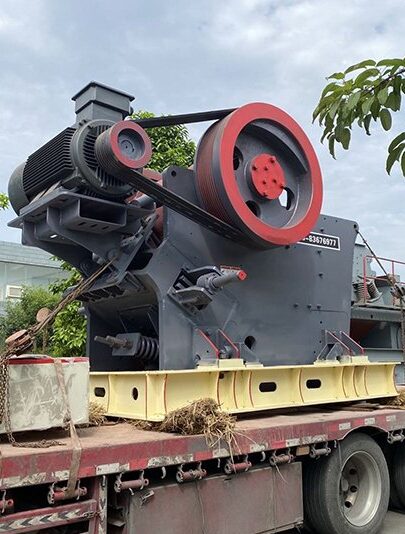
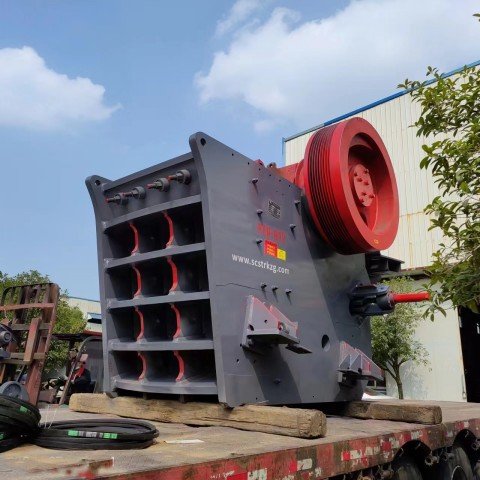
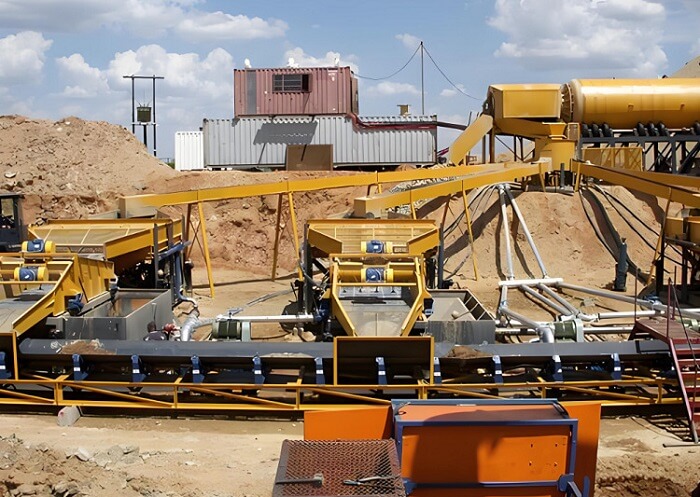
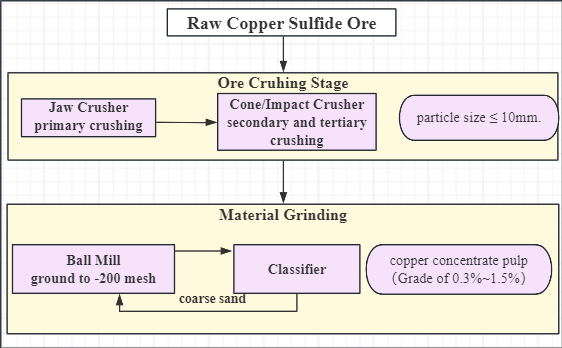
Stone crushers and screeners are first on the front line. Gyratory crushers are useful for hard, abrasive ores.
Their high reduction ratios will do wonders for your operation. Use modular trommel screens with adjustable meshes to adjust clay content and prevent blockages in sticky ore.
2. Gravity Separation Machine
3. Grinding Mills
Grinding mills allow you to navigate the line between fineness and cost. The overflow ball mill would allow coarse grinding (P80 >150 µm), while a grate discharge mill optimizes fine grinding (P80 <200 µm), depending on the application.
If you are contemplating high-purity applications, you may want to use ceramic linings and media to reduce iron contamination and oxidation.
4. Flotation Equipment
Like other methods, complex flotation cells, such as mechanical agitators for high-sulphide ores and Jameson cells for fine-particle scavenging, are used.
There is a range of pH control systems that provide ideal pH droplets for ore activation (pH 4.5–6.5).
This can increase the overall efficiency of the flotation process.
5. Dewatering and Tailings Management
Auxiliary equipment guarantees consistent flows in your process.
Centrifugal slurry pumps can handle abrasive feeds, and hydrocyclones to classify milled slurry. Both are critical pieces of equipment that assist in dewatering.
Automated thickener underflow sensors can provide useful consistency by assessing pulp density in the thickener, effectively removing another factor in estimating whether you need a fixed or underflow discharge.
Influencing Factors When Choosing Mineral Processing Equipment
1. Ore Properties
The ore handler will dictate the milling equipment you need. If the ore is viscous, sticky, or a combination of the two, and could clog the crushers and grinding mills, it will require different designs and anti-adhesion liners.
Ore with uneven particle size distributions may require adjustable crusher settings, and if it is low-grade ore, remember to consider high-efficiency beneficiation equipment to maximize recovery.
Always test your ore samples before settling on equipment to prevent wasting a lot of money.
2. Production Scale
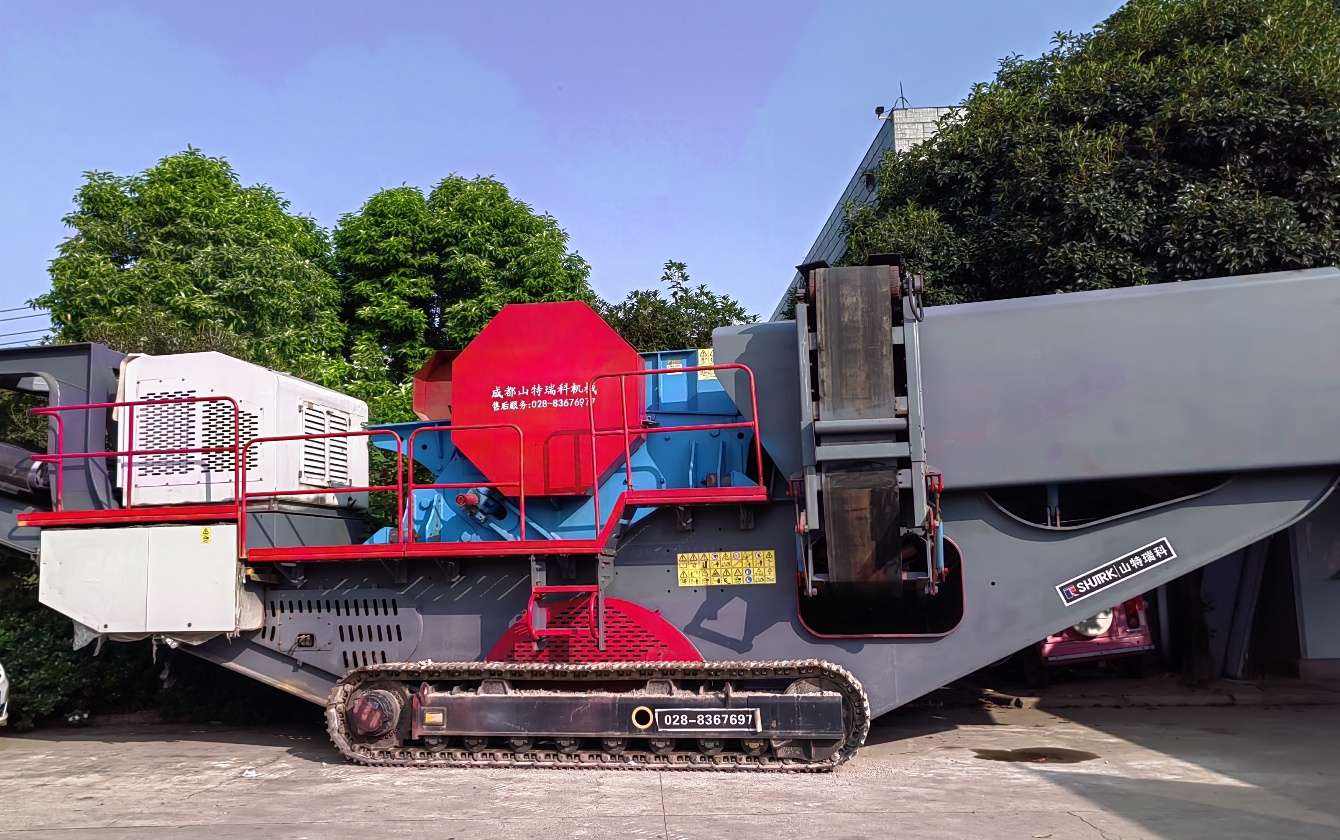
If you are a small operation – processing <500 tons/day – using smaller mobile equipment, including portable jaw crushers and batch-type flotation machines, can give you a balance of cost and flexibility.
Utility costs make up 30-40% of operational costs for a ore dressing operation. This means that starting with energy-efficient equipment can yield significant cost savings.
For larger operations (> 2,000 tons/day), you will need high throughput equipment – multi-stage cone crushers, continuous flotation lines, or high-capacity tubular ball mills – to achieve your target outputs at the right energy efficiency and throughput.
3. Energy Efficiency & Environmental Compliance
Legislation on energy consumption is becoming stricter, and you will need to include dust control systems (for crushers) and wastewater recycling (for flotation), which cannot be avoided.
For example, ensure equipment options include dust suppression or wastewater recycling. Make sure your plant has built-in environmentally friendly options, so you do not have to pay for expensive retrofits down the road.
4. Budget & Long-Term Maintenance
Equipment is not just about the initial cost. Therefore, you should purchase mineral processing equipment with spare parts availability and a local service commitment. For example, Metso or Sandreck offers worldwide service networks that minimize your downtime.
When preparing your pros and cons of your equipment selection, you should calculate the entire cost of ownership (TCO) based on energy, repairs, downtime, labour support, and other costs over a life cycle of say 5 to 10 years.
Conclusion
As you can see, selecting the correct ore dressing equipment involves not just choosing your machinery, but also matching it to ore characteristics, production requirements, and cost, while being conscious of efficiency and responsible operation.
Once you understand the types of equipment available and evaluate the essential factors, you will minimize risks and optimize returns.
Are you ready to further improve your plant’s ore dressing process? Speak with our mineral equipment specialist.