


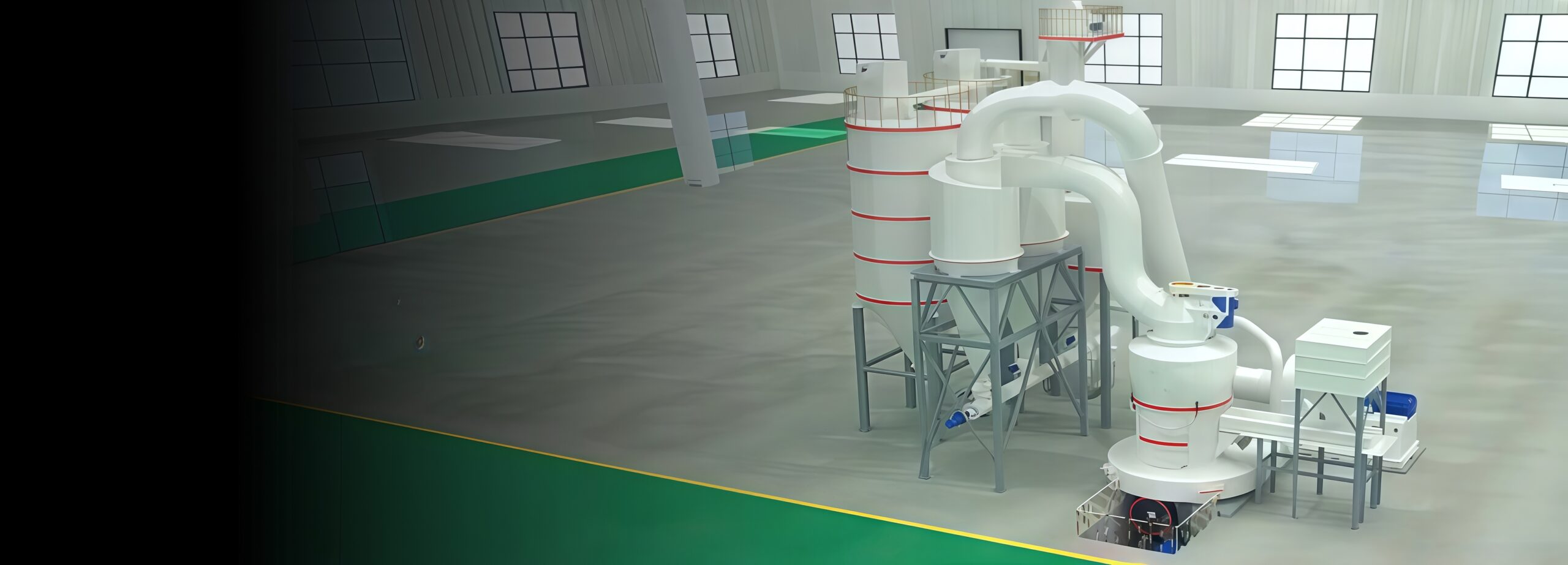
Durable Raymond Grinding Mill
The Raymond mill is a mechanical pulverizing device convenient for processing raw materials into a fine powder. It is widely used for rendering non-flammable,non-explosive brittle mineral products, primarily with a Mohs hardness below 7 and a moisture content not exceeding 6%.
- Feed size: ≤20mm
- Fineness size: 80 – 600 mesh(0.175 mm – 0.025 mm)
- Output: 3-50 T/H
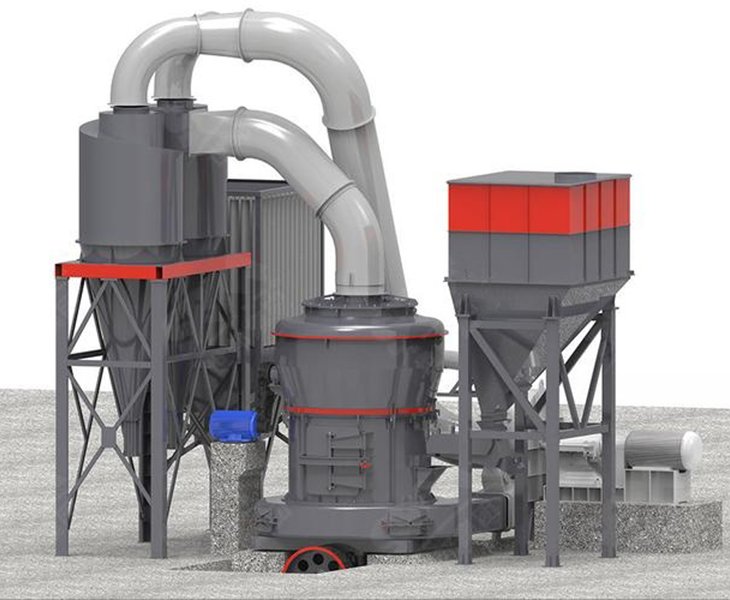
High-quality Raymond Roller Mill
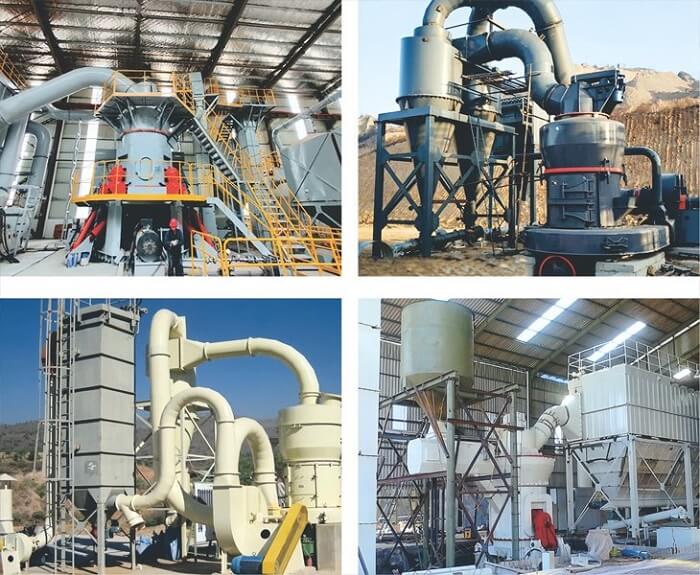
Sandreck is a professional Raymond mill manufacturer in China. Our equipment utilizes a fully enclosed thin-oil bath lubrication system. Through precise control of the oil circuit, the system ensures the automatic, continuous supply of lubricant to core components without manual intervention. This system not only significantly reduces maintenance frequency and costs but also extends the service life of the mill’s components, thereby ensuring continuous and efficient production.
Furthermore, our Raymond mills operate within a fully enclosed air circulation system. This design effectively prevents dust leakage—meeting environmental protection standards—while protecting core areas from lubricant contamination and external dust ingress, ensuring long-term, stable equipment operation.
Sandreck’s Raymond mills are suitable for a wide range of materials, offering flexibility regarding both material types and the fineness of the finished product. The equipment easily processes common non-metallic ores such as limestone, calcite, and barite, and is equally capable of handling tasks ranging from ultra-fine grinding of talc to processing medium- to high-hardness materials like quartz.
Types of Raymond Mill
We offer three types of Raymond mills to comprehensively meet different operational needs.
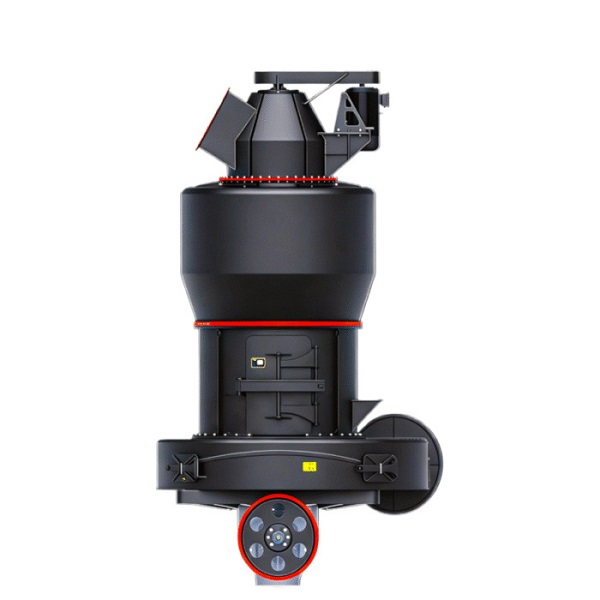 Raymond Mill
The finished size range of the Sandreck’s Raymond mill output is 30 mesh to 325 mesh.
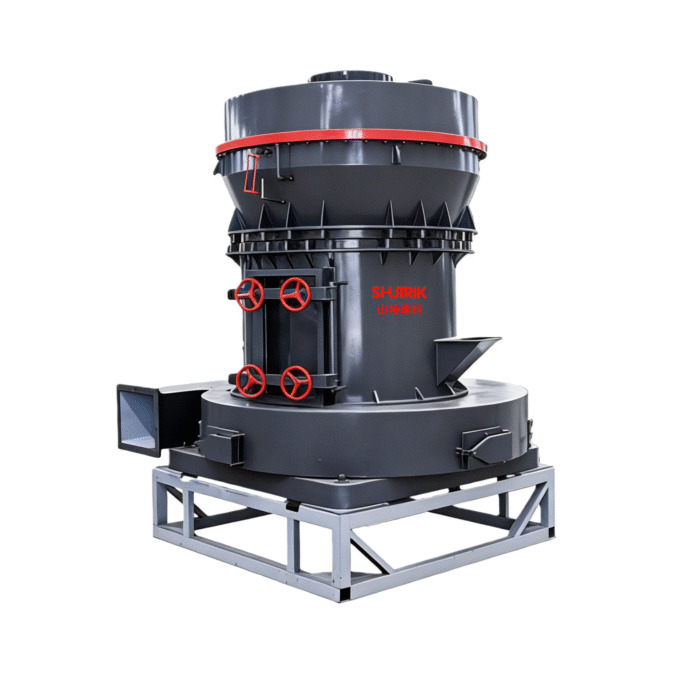 SGM Raymond Mill
The fineness of the processed product can be adjusted between 80 and 425 mesh.
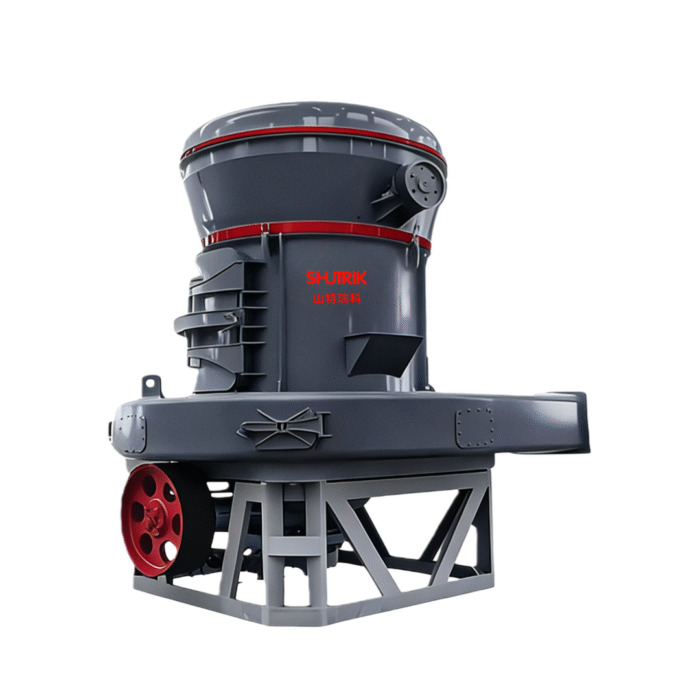
The finished size range of the OBM trapezium grinding mill is 80-600 mesh.
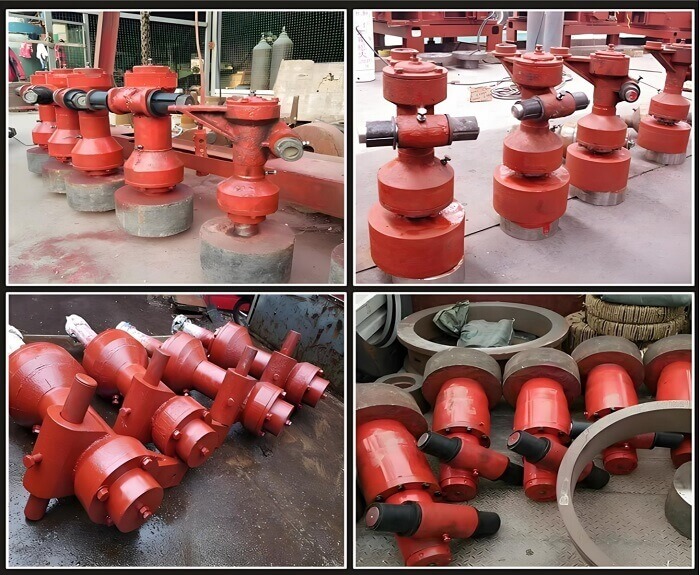
High Wear-Resistant Long-Life Grinding Roller
Raymond mills primarily rely on the interaction between grinding rollers and grinding rings to pulverize materials. As critical wear parts, the rollers and rings directly influence the mill’s operational efficiency. Sandreck’s Raymond mills feature large-diameter bimetallic composite grinding rollers (manganese steel combined with a high-melting-point alloy). This design significantly increases the contact area and pressure between the rollers and the material, thereby substantially boosting production capacity and overall grinding efficiency.
Uniform and Controllable Particle Size of Finished Products
The Raymond mill utilizes proven air classification technology and an independent grinding system, enabling precise control of the finished product’s particle size. The resulting powder features uniform fineness, with a sieve residue pass rate of up to 99%. Its performance is unmatched by other grinding equipment.
How to Select the Right Raymond Mill?
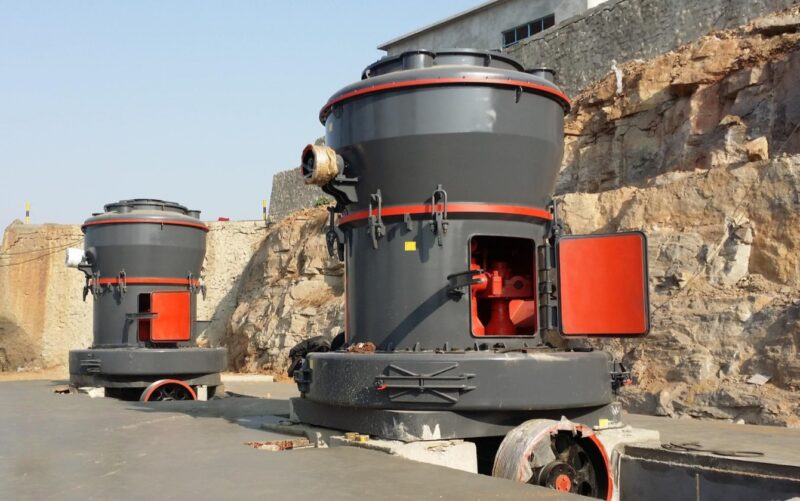
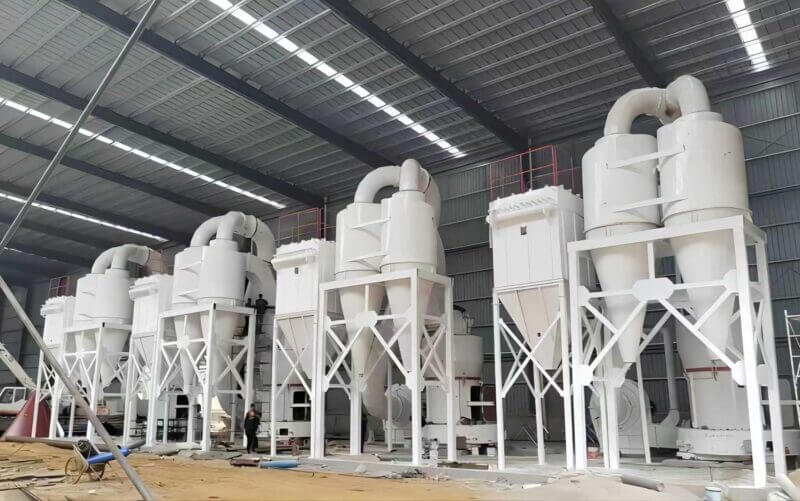
First, it is essential to clarify the key technical parameters of the material. These include factors such as whether the Mohs hardness is below 7, the moisture content is under 6%, the maximum feed particle size (e.g., 30 mm), and the desired fineness of the finished product. These parameters directly determine whether the specific Raymond Mill model and configuration align with your production requirements.
Next, the specific specifications of the Raymond mill must be determined based on production capacity requirements and the process flow. This involves establishing target hourly output and the frequency of fineness adjustments, as well as confirming whether an integrated process (encompassing crushing, grinding, classification, and collection) is needed to ensure the selected equipment matches the production pace while offering operational flexibility.
Subsequently, production efficiency should be evaluated based on performance comparisons. Key factors to consider include energy consumption per unit of output (per ton of powder), the material and service life of wear parts, classification precision, and the level of automation. The goal is to ensure the Raymond mill maintains stable, energy-efficient, and user-friendly operation over the long term.
Finally, the overall configuration should be optimized according to actual operating conditions. The configuration plan must align with site installation conditions, environmental emission standards, and power supply requirements, ensuring the Raymond mill is suited to the actual production environment and capable of sustainable operation.
Wide Range of Applications
Sandreck Raymond mill is a crucial force in the non-metallic minerals sector. Our equipment is widely applied in the following key sectors.
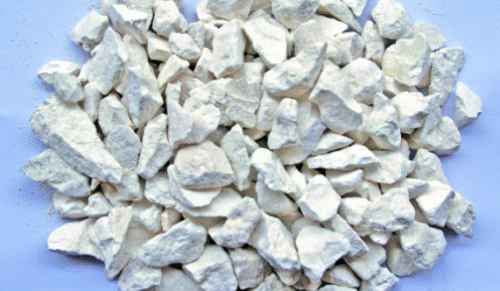
Our Raymond mill machine is suitable for grinding raw materials such as cement clinker, limestone, gypsum, and slag.
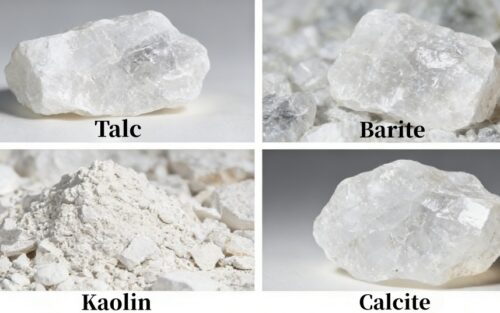
Sandreck’s Raymond mill specializes in processing minerals including calcite, barite, talc, and kaolin.
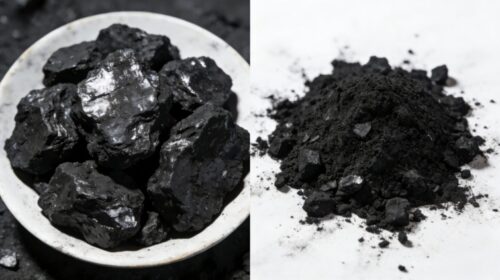
The Raymond grinding mill can be used for pulverizing coal powder, petroleum coke, and other raw materials, as well as for fine processing of powdered pesticides.
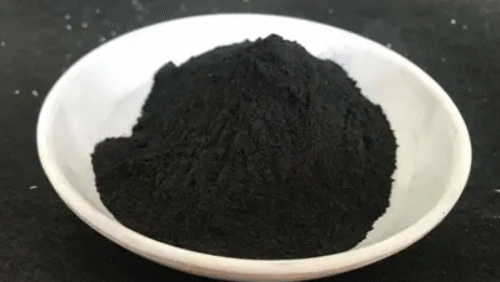
Our Raymond mill is designed for fine grinding of raw materials such as feldspar and quartz, reliably producing high-quality powders.
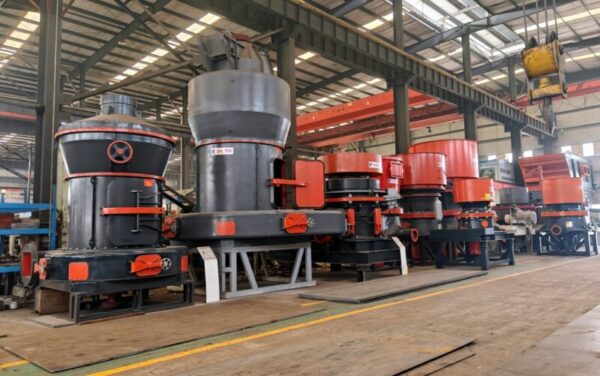
The Raymond roller mill can be used for the precision processing of mica, aluminum hydroxide, and other flame-retardant fillers and functional pigments.
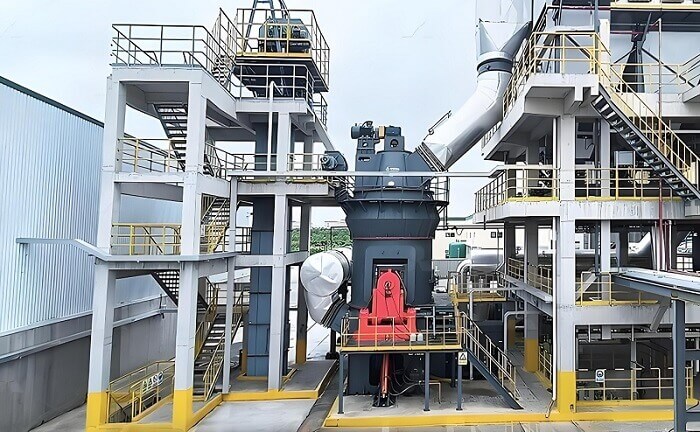
Our Raymond mills can dry and grind solid waste, such as steel slag and fly ash, thereby supporting green production.

Testimonials
“After replacing our old ball mill with the SGM grinding mill system, our energy consumption dropped by 22% while throughput increased by 35%. The automated control interface and minimal vibration make daily operations remarkably smooth.”
 James WilsonPlant Manager, Australia
“We operate both the OBM trapezium grinding mill for barite and the Raymond Mill for calcium carbonate. The trapezium mill delivers exceptional consistency in 600-mesh barite powder, while the Raymond system’s reliability keeps our coating materials line running 24/7 with near-zero downtime. Sandreck’s engineering support has been invaluable.”
 Elena RodríguezProduction Director, Spain
Suitable for grinding non-explosive and non-flammable minerals with Moh’s hardness below 7 and moisture content less than 6%, such as limestone, calcite, talc, etc.
Yes. The speed of the Raymond mill classifier can adjust the fineness of the finished product. Generally, 80~600 mesh is used, and some improved types can even reach 800 mesh.
Model specification (capacity), material configuration (wear-resistant parts grade), degree of automation, environmental protection accessories (dust removal system), and whether installation service is included. Follow these factors, and the price range is large.
Generally included installation guidance, commissioning training, and a whole machine one-year warranty (except wear parts). Sandreck would also offer long-term technical support, spare parts supply, and process optimization service.