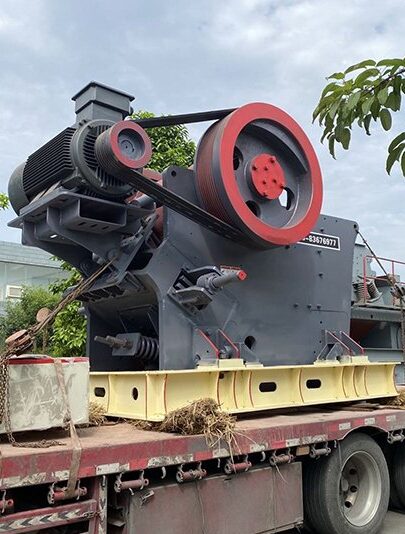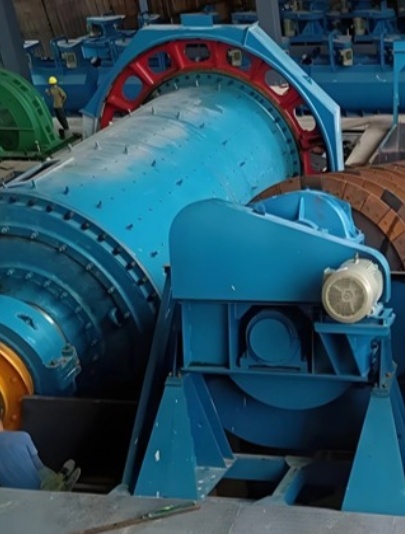

An impact crusher is a specialized crushing equipment that utilizes high-speed impact energy for fine crushing and shaping. Its core advantage is producing manufactured sand and high-specification aggregates with perfect particle shape. Sandreck, a professional impact crusher manufacturer, will provide a detailed introduction to the core components, working principle, and working process of impact crushers in this article. Hope this will help you better understand impact crushers.
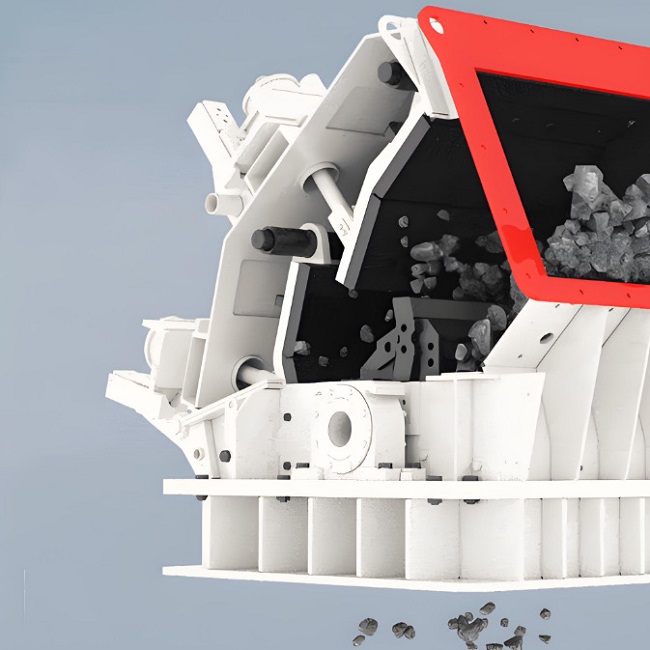
Impact Crusher Parts
1. Rotor: The rotor is the main part of the crusher, a heavy-duty steel drum, with fixed or interchangeable blow bars or hammers, that rotates with a speed of 500 – 800 RPM, allowing the rotor to create kinetic energy to fracture rock.
2. Blow Bars: Blow bars are considered the wear parts that are located on the rotor. Blow bars act like hammers on the feed material as it is moved through the rotor and launched away.
3. Impact Aprons / Breaker Plates: Impact aprons, or breaker plates, are the fixed or adjustable plates surrounding the rotor.
The incoming sort of rock is thrown against the impact aprons or breaker plates and creates the secondary crushing. The gap with the adjustable impact aprons is adjusted to keep the appropriate size for the final product.
4. Feed Opening: The feed opening is where the material enters the crushing chamber or system; this is frequently seen with a feeder conveyor to feed the material into the crusher.
5. Hydraulic System: Most modern rock crushers use a hydraulic system to safely open the crusher housing for access and maintenance, but the system also acts through the position of the impact aprons to size the product correctly.
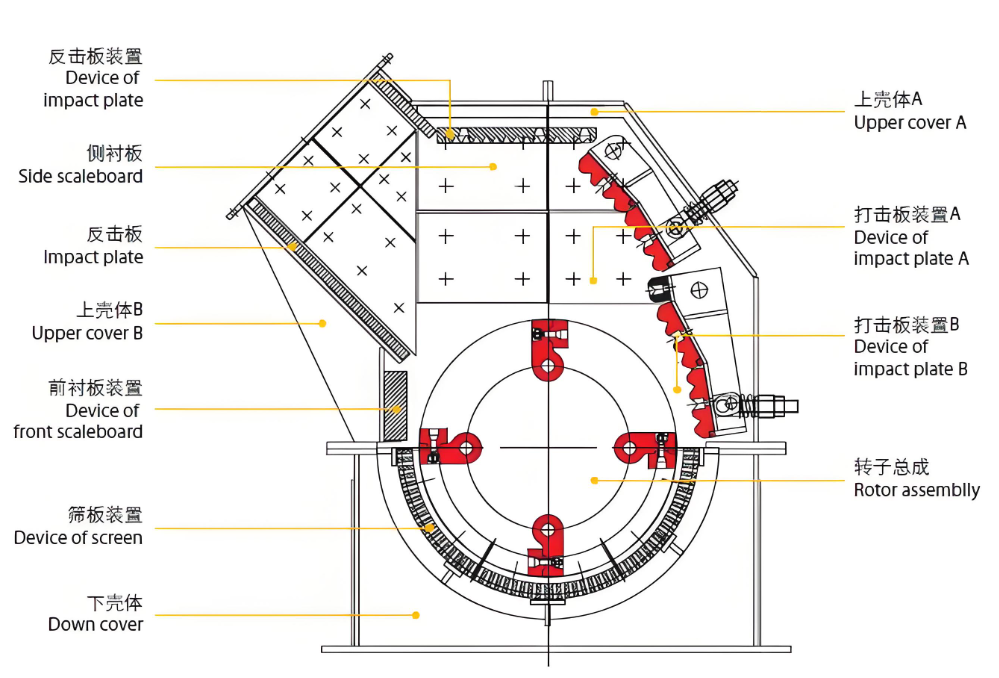
Impact Crusher Working Principle
The Two-Stage Crushing Process of the Impact Crusher
1. Primary Impact (The First Blow):
As large rocks enter the feed opening, they are met by the spinning blow bars on the rotor. The blow bars strike the rocks, transferring a massive amount of kinetic energy. This initial impact shatters the rocks and propels them violently towards the primary impact aprons.
2. Secondary Crushing (The Rock-on-Rock Anvil):
The material ricochets off the primary aprons and is thrown back into the path of the rotor. On its return journey, it collides with other incoming rocks in a process known as “rock-on-rock” attrition. This repeated, high-velocity collision between rocks further breaks them down and knocks off weak edges, creating the highly valued, well-shaped. Finally, desired size passes are discharged through the gap between the rotor and aprons.
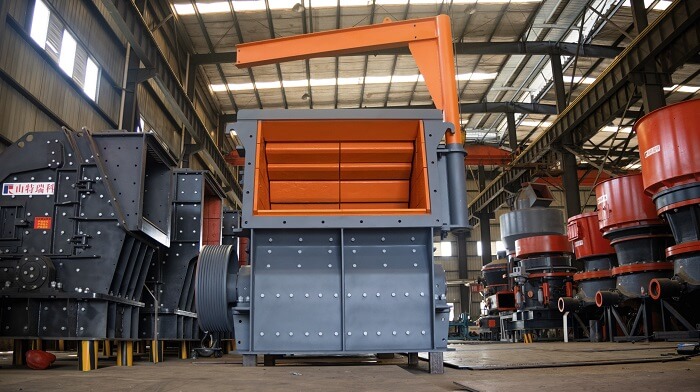
As a professional impact crusher manufacturers in China, Sandreck provides extensive impact crushers knowledge and high-quality impact rock crushers. Contact us now for your own project!