
Hammer Crusher Parts
Familiarity with the hammer crusher’s parts is necessary to understand the machine’s operation.
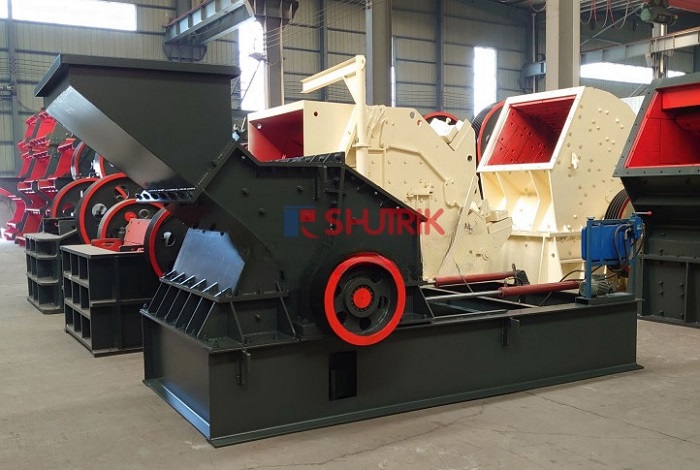
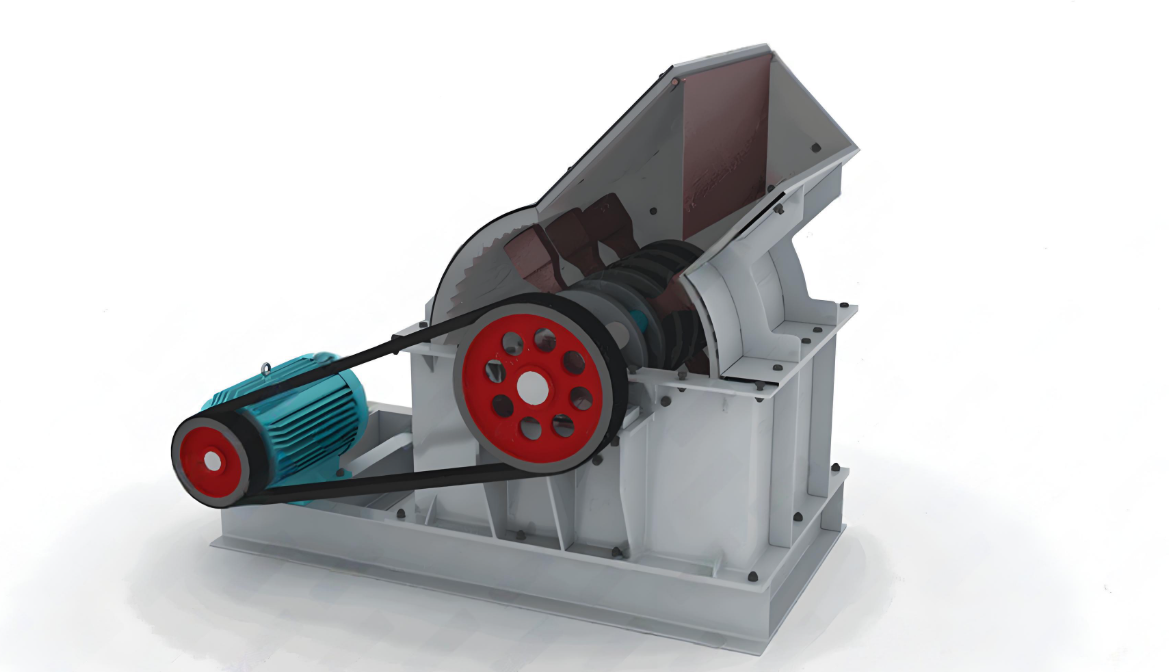
- Rotor: The heart of the machine. This is a rotating shaft transmitting kinetic energy to the hammers at high speed. The rotor is a shaft located in a housing on heavy-duty bearings.
- Hammers: The hammers are a movable impact component on the rotor that are individually or fixed to the rotor. It usually consists of a rectangular metal block made from high-wear-resistant manganese steel or other alloys.
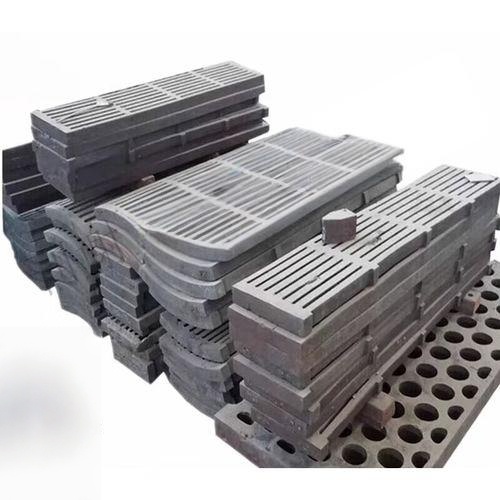
- Grates / Screen Bars: In the lower half of the crushing chamber, the grates are interchangeable, perforated screens that regulate the final product size. Once the material has been crushed by a hammer to a size less than the opening of the grate, it passes through the grate and is discharged. The size and shape of the grate directly influence the output gradation.
- Breaker Plates: The breaker plates (static liners) are the walls of the crushing chamber. When the material is projected against the breaker plates, it is subjected to further impact and attrition, which aids in the size reduction process.
- Hopper: This is where the raw product enters the machine.
Hammer Crusher Working Principle
A hammer crusher operates on the straightforward yet highly effective principle of impact crushing.
The process is a dramatic one. Large feed material is shattered into smaller fragments by the high-speed impact of hammers. This is combined with attrition, where particles are ground down further by rubbing against each other and the interior liners of the crusher.
Unlike the gradual compression of a cone crusher, a hammer crusher applies rapid, explosive force. So, it is exceptionally efficient for breaking down softer, non-abrasive materials like limestone, gypsum, coal, and recycled construction debris.
Hammer Rock Crusher Crushing Process
The action of a hammer crusher is a continuous, high-speed cycle divided into several important steps:
- Feeding: The first step is to feed the raw material into the crusher from a feed hopper. The feed has to be controlled and even. It is important to maximize efficiency and protect the machine.
- Initial impact and pounding: At this point in the process, the crusher’s chamber is occupied with raw material. As the material is added to the chamber, it will be struck by the free-swinging or fixed hammers on the rapidly spinning rotor.
- Acceleration and double-crushing: The initial impact will also thrust the material outward toward the breaker plates lining the chamber walls. When the material is thrown against these plates, it will rebound back toward the hammers. This interaction creates a continuous cycle of impact: hammer to rock, rock to plate, rock to rock.
- Sizing and discharging: The impacts continue until the material is small enough to fit through the gaps of the grate screen located at the bottom of each chamber. The smaller broken material will exit the chamber, as the bigger material remains behind to be re-broken and ground into a small enough size before it can escape.
As a professional industrial hammer mill crusher manufacturer, Sandreck is specialists in manufacturing and supplying high-performance hammer crusher.