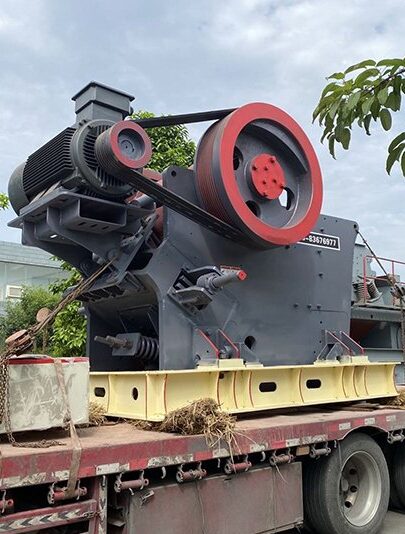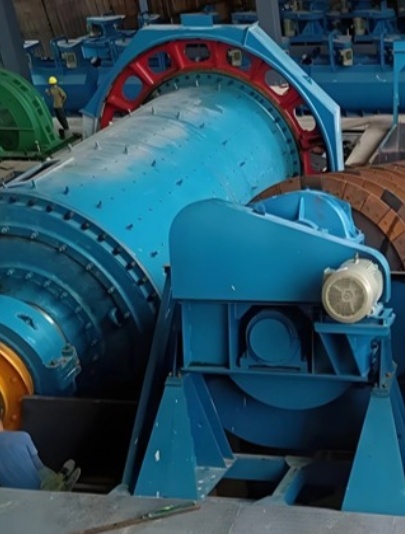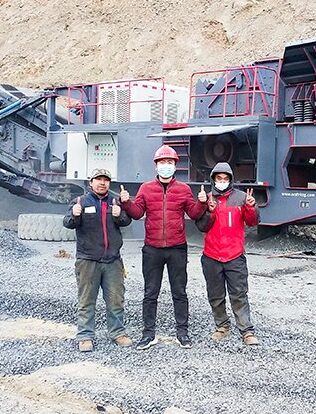

Cone crushers are compression-type secondary and tertiary crushing machines widely used in mining and aggregate industries. They are designed to produce high-quality aggregates with excellent particle shape. Their unique crushing mechanism: using continuous squeezing compression to process specific types of materials. Understanding which materials are best suited for a cone stone crusher ensures maximum efficiency, reduced wear, and superior final product quality.
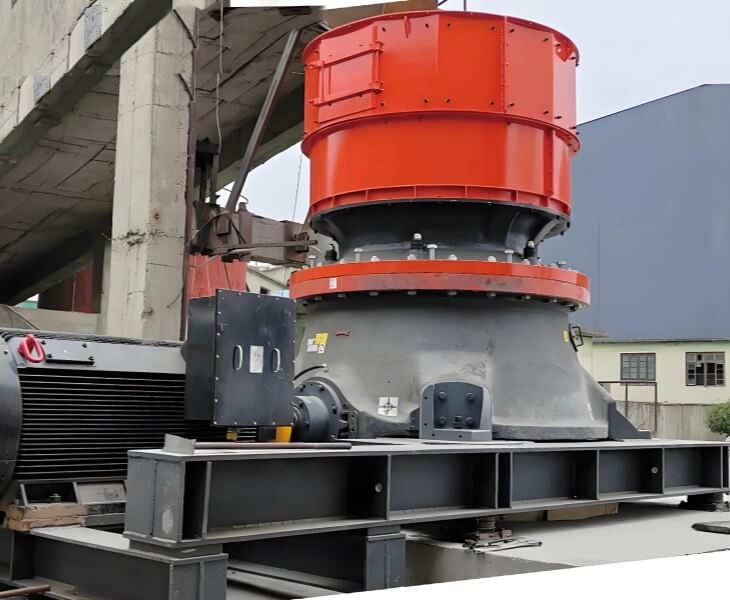
1. Material Types Suitable for Cone Crushers
1.1 High-Hardness Materials
Materials with a Mohs hardness of 5–10 and a compressive strength of 300–550 MPa, characterized by high silica content and high abrasiveness. These serve as ideal feedstocks for cone rock crushers to perform secondary and tertiary crushing following the primary crushing stage (typically handled by jaw crushers).
Granite and basalt: Hard igneous rocks widely used as high-grade road aggregates.
Quartzite, river pebbles, and diabase: Highly abrasive river stones and metamorphic rocks used to produce manufactured sand and concrete aggregates.
1.2 Primary Feedstocks in the Mining Industry
Ferrous metal ores: Such as iron ore and manganese ore.
Non-ferrous metal ores: Copper ore, lead-zinc ore, and gold ore.
In mineral processing plants, cone stone crushers are responsible for secondary and tertiary crushing operations prior to the grinding stage.
1.3 Hard Industrial Solid Waste
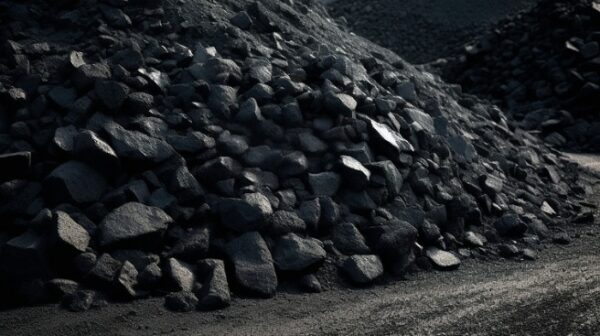
Hard steel slag and furnace slag are generated by metallurgical plants. After iron removal, cone crushers process these materials into usable construction aggregates and backfill materials.
2. Advantages of Using Cone Crushers for Such Materials
Processing hard materials allows cone rock crushers to fully leverage their inherent advantages:
2.1 Low Wear and Tear
Unlike impact crushers, cone stone crushers utilize the principle of compression crushing, thereby avoiding the severe wear typically associated with components like blow bars. The mantle and concave liners are generally made of high-manganese steel, offering a long service life when crushing hard rocks such as granite or quartzite, which significantly reduces the cost of replacing standard wear parts.
2.2 Wide Adjustment Range
Cone crushers are suitable for crushing a variety of materials—ranging from soft to hard—making them an ideal choice for secondary, tertiary, and quaternary (ultra-fine) crushing stages. During operation, the discharge opening size can be adjusted to precisely control the output of coarse aggregates and fine sand, meeting the diverse particle size requirements of various construction projects.
2.3 Excellent Product Shape
The crushed material is cubic in shape and contains a high proportion of fine particles, meeting the standards for high-quality construction aggregates. This superior particle shape is particularly important in the aggregate industry, as well-graded, angular aggregates significantly enhance the performance of concrete and asphalt mixtures.
2.4 High Processing Capacity
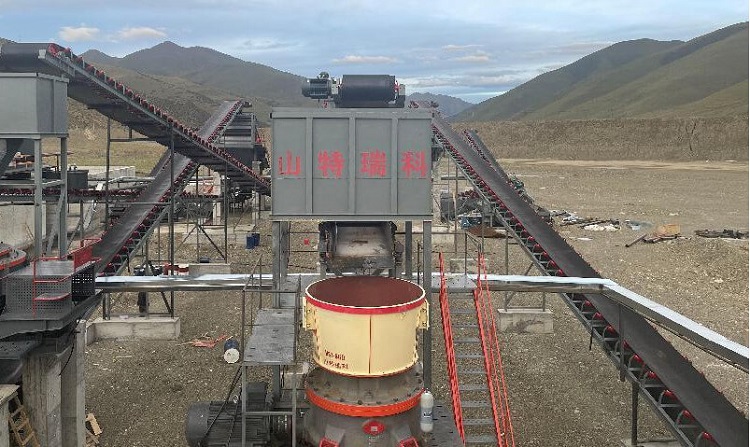
Cone crushers boast exceptional processing capacity, enabling the efficient handling of large volumes of material—a critical factor for industries prioritizing rapid production and high turnover rates. Featuring a heavy-duty frame design, the cone crusher equipment can continuously crush large chunks of hard ore without the need for frequent shutdowns.
2.5 Low Operating Costs
With fewer wear parts and a long service life, the equipment saves on long-term operation and maintenance costs. Its streamlined structural design also minimizes downtime caused by troubleshooting and component replacement. Over time, these savings significantly reduce operating expenses, thereby substantially boosting the overall return on investment.
3. Materials Unsuitable for Cone Crushers
Cone crushers operate on the principle of compression. Consequently, they are not suitable for processing materials that are soft, sticky, or have low abrasiveness. Feeding unsuitable materials can lead to crushing chamber blockages, uneven product particle size, frequent downtime, and increased maintenance costs. The following materials should not be processed using cone crushers:
- Soft, brittle, and low-hardness materials. Typical examples include limestone, dolomite, gypsum, and construction waste such as broken bricks and crushed concrete. These soft materials do not require high compressive force to break. Processing them in a cone crusher leads to over-crushing, excessive fines generation, wasted equipment capacity, and a significant reduction in the quality of the finished aggregate.
- Damp, sticky, and high-moisture materials. Sticky clay, wet mudstone, damp soil, and materials with a moisture content exceeding 12% are entirely unsuitable. Such materials tend to adhere to the mantle (moving cone liner) and concave (fixed cone liner), narrowing the discharge opening and clogging the crushing chamber, which can cause the equipment to jam or shut down unexpectedly. Prolonged processing of these materials can also lead to liner corrosion and accelerated component wear.
- Ultra-hard, highly abrasive, and oversized materials. Although cone crushers are designed for hard rock, oversized run-of-mine ore and extremely hard materials—such as pure corundum—should not be fed directly into the machine. Large, unprocessed lumps can cause uneven loading, mechanical vibration, liner cracking, and even damage to the main shaft. All large, hard materials must first undergo primary crushing in a jaw crusher to meet feed size specifications.
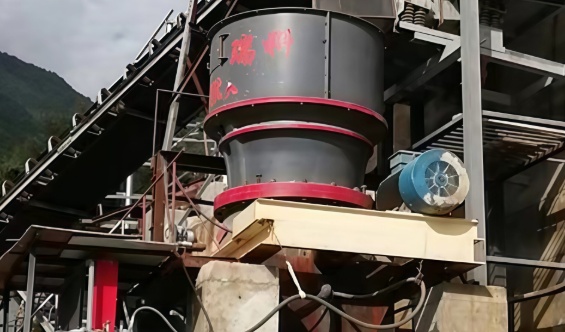
Are you facing challenges in selecting mineral processing equipment or handling specific materials? Please share your processing requirements and contact the Sandreck technical engineering team to receive a customized production line layout, professional material testing advice, and a comprehensive lifecycle cost-performance analysis.