
Coal is a vital global resource because it releases energy when burned, providing electricity. Human societal progress is inseparable from the use of coal. For mine managers, the first step to improving profitability is a thorough understanding of coal. If you are planning to mine or purchase coal, the following six insights may be helpful.
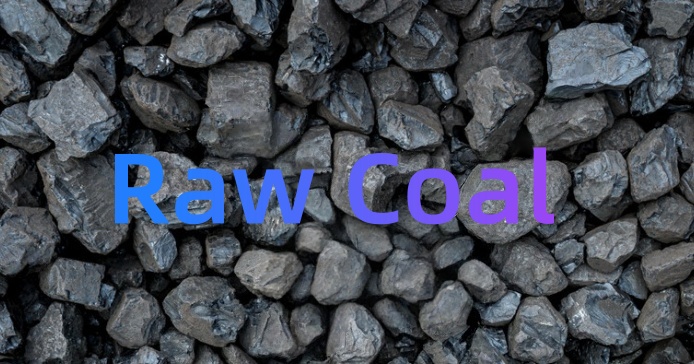
1. How is Coal Formed?
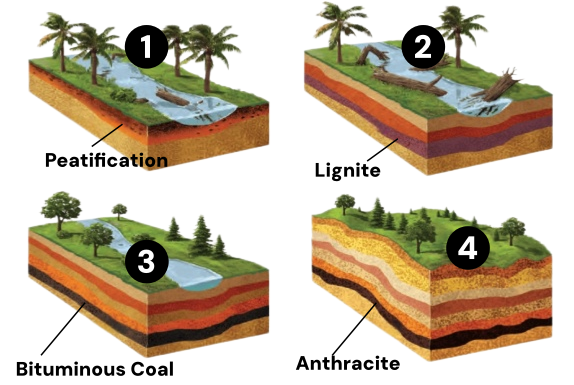
1)Peatification Stage: Millions of years ago, the Earth was covered with dense swamps. Large amounts of vegetation died in these swamps. Through microbial decomposition and chemical reactions, this vegetation gradually transformed in situ into thick layers of peat or humus sediment.
2)Coalification Stage: As the Earth’s crust subsided, more and more sedimentary layers covered the peat deposits. Under prolonged high temperature and pressure, the peat dehydrated and carbonized, initially transforming into lignite, bituminous coal, and anthracite.
2. Types of Coal
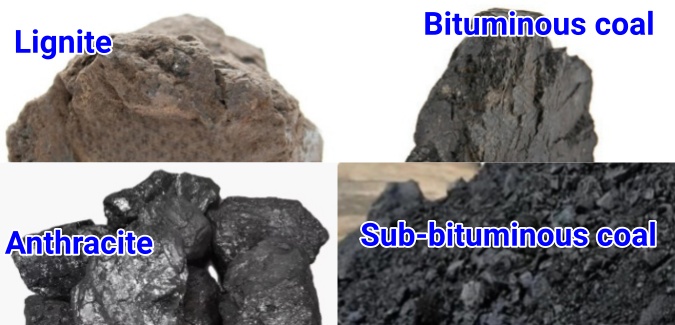
1) Lignite
Lowest degree of carbonization, with a carbon content of 50%-70%. Brown in color. Lignite is mainly mined by open-pit mining, resulting in relatively low production costs. This type of coal is relatively inexpensive and is primarily used in thermal power generation and boiler combustion.
2) Bituminous Coal
Medium degree of carbonization, with a carbon content of 70%-85%, black in color. Bituminous coal is the main type of coal and a major source of thermal and metallurgical coal. It has a wide range of uses, including power generation, the chemical industry, and domestic applications.
3) Anthracite
Highest calorific value and degree of carbonization, with a carbon content between 85% and 95%. Coarse texture, grayish-black in color. This type of coal is mainly used as a raw material for chemical and precision manufacturing, and is relatively expensive.
4) Sub-bituminous Coal
With a carbon content between 75% and 85%, it combines the characteristics of both anthracite and bituminous coal.
3. Major Coal Producing Regions
Global proven coal reserves exceed 1.06 trillion tons. China accounts for more than half of global coal production annually, making it the world’s largest coal producer. Following closely are the United States, India, Australia, and Russia. These countries’ coal production and exports collectively shape the global coal market.
The United States’ main coal reserves are located in the Appalachian, Illinois, and Powder River Basins. Russia’s coal reserves are mainly concentrated in Siberia and the Far East. Australia’s coal reserves are concentrated in Victoria, New South Wales, and Queensland.
4. Uses of Coal
Traditional Uses: Thermal power generation, boilers, residential heating.
High-End Applications:
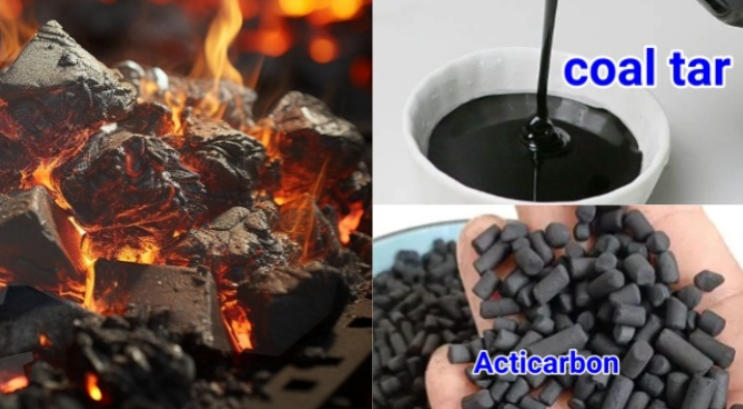
① After processing, coal can be used to produce coke, coal tar, and coal gas. Coke is a major raw material for steelmaking, and coal tar can be used to produce plastics, rubber, and other chemicals.
② Coal can also be used to extract aromatics, which are used to manufacture para-aramid fibers, such as ropes or parachute frames.
③ Coal can be used to produce activated carbon, which is widely used in environmental protection, water purification, and food processing.
④ Coal byproducts can also be used to extract rare metals and produce fertilizers, thereby maximizing resource utilization.
Understanding the uses of coal helps you determine your mining direction, assess market demand, and make informed choices regarding mining and processing equipment.
5. Coal Prices
Coal prices are not fixed. Global energy competition, changes in environmental policies, and the emergence of new markets all influence prices. These factors not only affect coal prices but also the profitability of your ore processing plant.
6. Coal Processing Methods
The quality of mined coal varies greatly, resulting in low profits from direct sales. Adopting appropriate processing methods can increase the added value and market competitiveness of coal.
1) Screening and Crushing
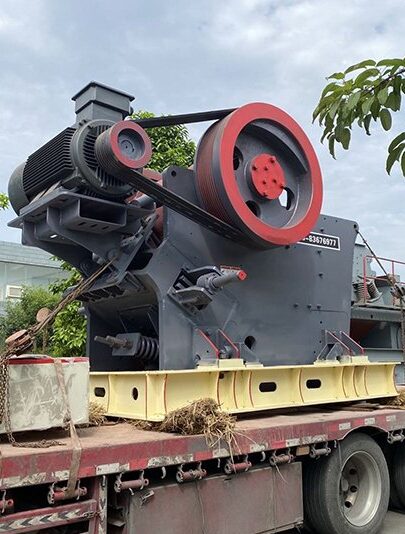
This is the first step in coal processing. First, a vibrating screen is used to sort the raw coal by particle size, removing larger coal gangue and impurities. Then, a hammer crusher, jaw crusher, or impact crusher is used to break larger coal lumps into smaller particles. Finally, a double-roll crusher is used to crush the coal powder into particles of 2-10 mm.
2) Coal Powder Grinding
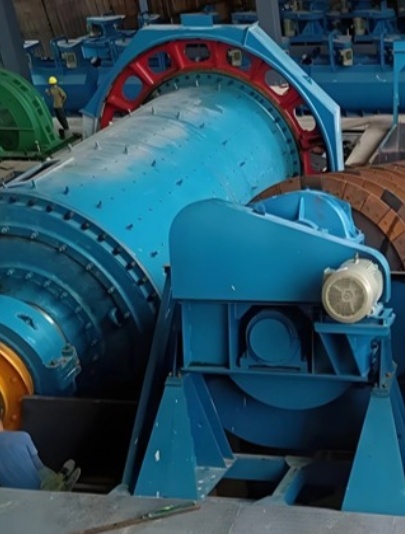
Fine coal powder is more suitable for subsequent deep processing. The coal powder is fed into a grinder, such as a Raymond mill, and ground into powder. The finer the coal powder, the higher its calorific value.
3) Coal Powder Drying
Coal and coal powder usually contain a certain amount of moisture after grinding. Excessive moisture increases transportation costs and reduces combustion efficiency. To facilitate subsequent briquetting, a filter press or dewatering screen can be used to remove excess moisture from the coal powder.
4) Pressing and Drying Coal Powder
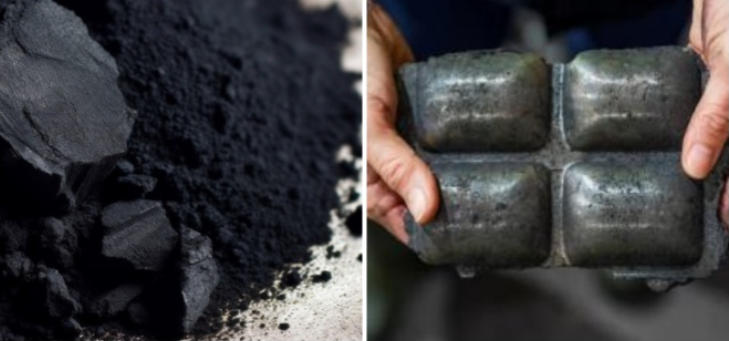
A suitable binder is added to the dehydrated and dried coal powder, and it is then pressed into shape using a briquetting machine (e.g., into coal briquettes). These briquettes are not only easier to transport and store, but also help reduce the spread and pollution caused by coal dust. Pressed coal briquettes command a significantly higher price, have uniform particle size, burn stably, produce less dust, and are more readily accepted by the market.
Today, the coal industry is no longer limited to mining and sales; it is gradually transforming into a high-value product. You need to master coal-related knowledge, choose suitable mining and processing equipment, and seize every opportunity to improve the efficiency of your ore processing plant.
Sandreck is a professional manufacturer of ore processing equipment with extensive experience in coal mining. Contact us to learn more about coal processing equipment.