
Sand is the world’s second largest natural resource after water. It exists not only on beaches and in deserts but is also widely used in construction, manufacturing, and scientific research.
This article will introduce you to the types, densities, particle sizes, and applications of sand, helping you to understand its properties. Sandreck will also recommend suitable sand-making equipment, providing you with practical processing guidance.
1. Types of Sand
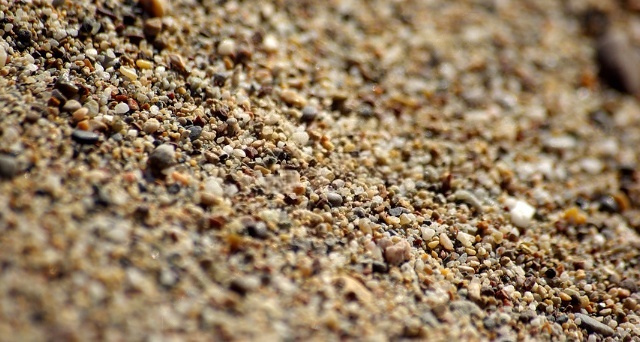
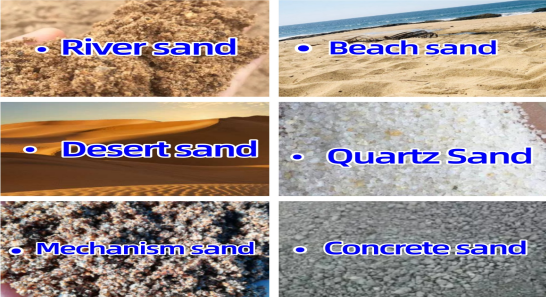
1) River Sand: Formed by long-term erosion by flowing water, it has rounded particles and low clay and impurity content. It is the preferred type of sand in the construction industry and is often used in reinforced concrete structures.
2) Beach Sand: Produced in beaches or near-shore areas, it has fine particles but a high salt content. Desalination treatment is required before use.
3) Desert Sand: Produced in desert regions. Due to its fine particles and smooth surface, it cannot bond with cement to form a stable concrete structure. It can be used for artistic creation and landscaping.
4) Quartz Sand: Its main component is silicon dioxide (SiO₂). This sand has a uniform density and extremely low impurity content. It is widely used in high-tech industries such as glass manufacturing and semiconductors.
5) Manufactured Sand: Made from mechanically crushed and screened quartz, it allows control over the shape and particle size of the sand. It can be used as a substitute for river sand.
6) Concrete Sand: Made from crushed concrete or aggregate, it has coarser particles but can also be used in building concrete.
2. Sand Density
Density refers to the mass of a unit volume of sand (usually expressed in grams per cubic centimeter or kilograms per cubic meter). The density of sand depends on its source, moisture content, mass, and state.
Typical densities of sand in different states | |
| Loose sand (naturally accumulated, moved external forces) | 1442kg/m³ |
| Dry sand (dry, compacted by gravity and rainfall) | 1602kg/m³ |
| Packed dry sand (sand compacted by man or by machinery) | 1682kg/m³ |
| Wet sand (naturally compacted, with high water content) | 1922kg/m³ |
| Wet packed sand (compacted by man, saturated with water content) | 2082kg/m³ |
Higher-density sand particles are more tightly packed, with fewer pores, resulting in better stability. Lower-density sand is lighter and more prone to movement or settling.
3. Sand Particle Size
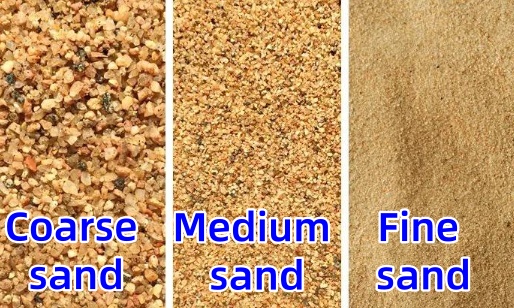
- Coarse Sand: Particle size greater than 0.5 mm (500 microns). Coarse sand can improve the strength of materials and promote drainage.
- Medium Sand: Particle size 0.25-0.5 mm (250-500 microns). Medium sand has a balanced gradation and is mainly used for concrete mixing.
- Fine Sand: Particle size less than 0.25 mm (100-250 microns). Fine sand can fill small gaps and make the surface smooth.
4. Applications of Sand
1) Construction Industry
The construction industry is the core sector for sand applications. Over 80% of global sand is used in this field. It is mainly used for concrete mix design, slurry workability, road construction, and land reclamation projects.
2) Industrial Manufacturing
The density and particle size of sand directly determine product quality. It is mainly used in glass manufacturing, casting sand molds, and oil fracturing.
3) High-Tech Industry
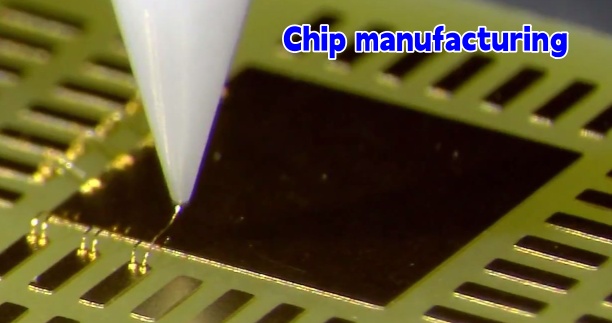
This industry has the highest requirements for sand parameters; any deviation can lead to product obsolescence. It is mainly used in chip manufacturing, photovoltaic products, aerospace materials, and components for new energy products.
4) Environmental Protection and Everyday Life
It can be used for water filtration, baseball field sand pits, soil improvement, and cosmetics, etc.
5. Sand Processing Equipment
If you want to obtain sand with ideal density and particle size, professional sand processing equipment can help you achieve this goal.
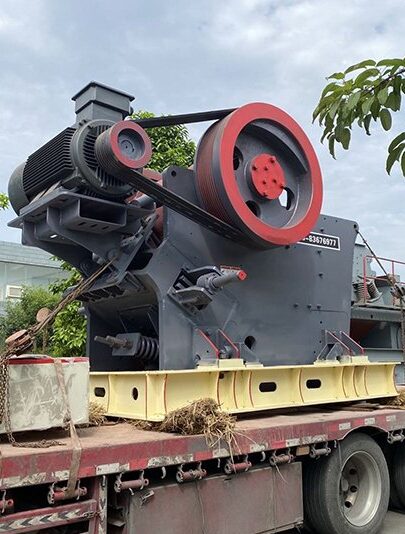
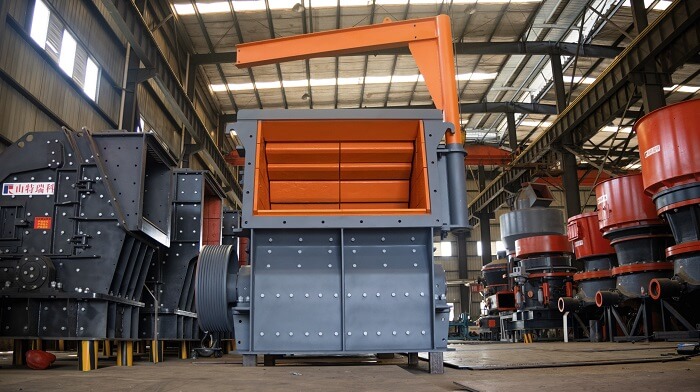
1) Crushing and Sand Making Equipment: Impact crushers and sand making machines can crush large stones to produce manufactured sand. By adjusting different parameters of the equipment, particle size can be controlled to produce sand with a reasonable particle size distribution.
2) Screening Equipment: Vibrating screens. Different screen aperture sizes can be used for particle size classification, separating the coarse, medium, and fine sand you need.
3) Washing Equipment: Spiral sand washer. This equipment helps you remove dirt, dust, and other impurities from the sand, improving its purity.
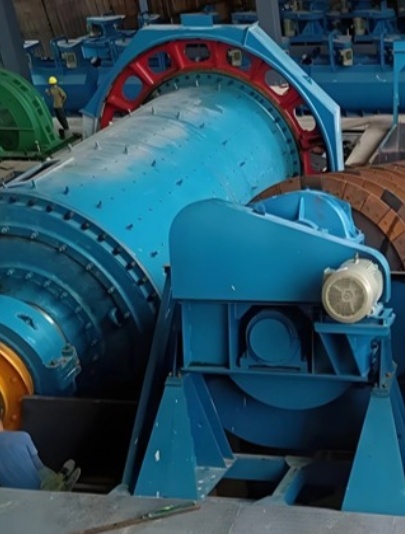
4) Refining Equipment: You can improve the quality of sand through mineral processing. Magnetic separators and flotation machines can remove impurities and increase the density of the sand to meet the product requirements of downstream producers.
5) Dewatering Equipment: High-power dewatering machines and drum dryers. These devices help you reduce the moisture content of the sand for subsequent processing. This is recommended equipment for processing sand in humid areas.
Although small, sand is vital to nature and human society. To maximize its value, its density and particle size need precise control. Meanwhile, the demand for artificial sand is steadily increasing. Choosing the right sand processing equipment can help you achieve greater economic benefits. Please contact Sandreck for more information.