
Galena is one of the earliest ores mined by mankind. The lead extracted from galena has brought many benefits to modern society, but it has also caused many health and environmental problems. At the root of these problems is the highly toxic element lead, which is a core component of galena.
For a mineral processing plant, understanding the properties of galena, mining scientifically and choosing the right beneficiation process is the key to your safety, environmental protection and profitability. This blog takes you to understand galena in depth.
I. Introduction of Galena
Galena is a common sulfide ore. Its main component is lead sulfide, which is why it is regarded as a source of lead.
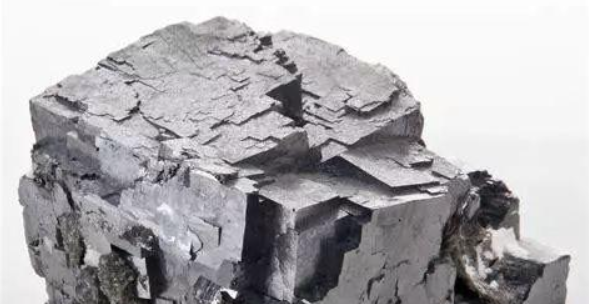
Chemical formula of galena: PbS. Theoretically it consists of 86.6% lead with 13.4% sulfur.
Composition:In addition to containing lead and sulfur, galena sometimes contains silver, zinc, copper, gold, iron, cadmium, antimony, bismuth, arsenic and selenium.
Color:Fresh galena is a bright lead-gray with a metallic luster; oxidation will show a dull gray.
Morphology:It is mostly cubic, octahedral, and cubic-octahedral combinations, and the crystals belong to the isometric crystal system.
Hardness: 2.5-2.75 on the Mohs hardness scale, soft texture, can be lightly etched with a fingernail.
Physical properties: specific gravity (7.4-7.6), there is a “sense of weight”; galena has a weak electrical conductivity and moderate wave detection, with semiconductor properties; in the oxidation state is easily transformed into lead alum and white lead ore, resulting in more difficult beneficiation.
Ⅱ.The Formation and Origin of Galena
The formation of galena is related to the earth’s magmatic activity and hydrothermal action, and it is mainly formed in the process of low and medium temperature hydrothermal action. Magmatic activity carries a large amount of lead- and sulfur-rich hydrothermal fluid, and when the surrounding temperature and pressure change, the lead ions and sulfur ions in the hydrothermal fluid combine and crystallize to form galena.
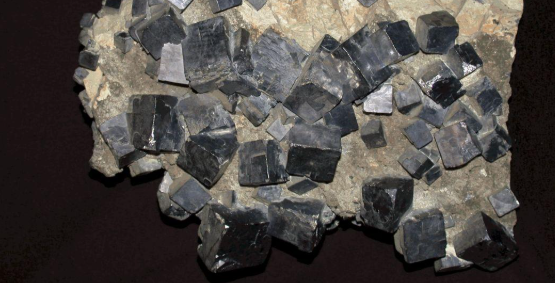
Origin: galena is abundant and widely distributed. The Mississippi River Valley in Missouri, USA is the largest deposit of galena in the world. Its lead reserves amount to 30 million tons, and the ore is dense and of high grade. Countries such as China, Australia, Canada and the United Kingdom also have high-quality sources of galena.
Ⅲ.Uses of Galena
The core value of galena lies in the lead and associated silver it contains, and after beneficiation and smelting, it can be widely used in many industrial fields. From ancient times to the present, galena has played an important role.1.
Metal smelting: Lead extracted from galena smelting is used to make coins, pipes and other metal products.
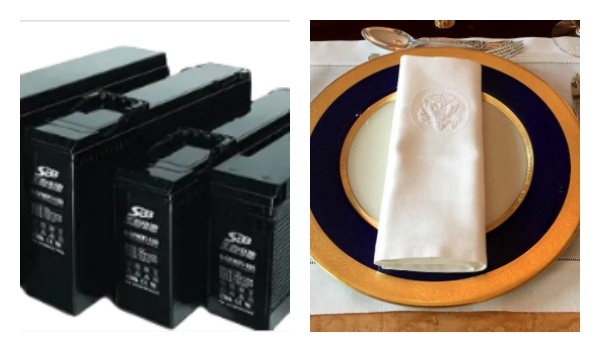
2.Lead-acid batteries: Batteries made from processed galena are widely used in automobile manufacturing.
3. Defense: Lead extracted from galena used to be used to make bullets and cartridges.
4. Ceramics: galena pottery is one of the most exquisite pottery in the world, and has been used as the official tableware of the White House for many times.
5. Other applications: medicinal lead extracted from galena can be used to cure diseases; lead compounds can also be used to make pigments and paints.
Ⅳ.Why is Galena Dangerous?
The value and risk of galena comes from its core element, lead. Lead is a cumulative heavy metal poison that cannot be degraded and poses a great danger to human beings and nature, which is why its mining and processing processes are more strictly regulated. If it is not managed properly, the following problems will occur:
-Air Pollution: During the process of crushing and transportation of galena, the lead-containing dust generated is extremely polluting to the air.
-Wastewater pollution: the wastewater from galena processing contains heavy metal ions, and direct discharge will pollute surface water and groundwater.
-Waste residue pollution: Residual lead in waste residue will seep into the soil and groundwater, polluting the soil and affecting ecological health.
-Operation risk: Toxic lead dust or lead fume will be released during ore crushing, grinding or smelting. Excessive exposure can lead to lead poisoning, which has damaging effects on human organs and tissues, such as the heart, kidneys, reproductive system and nervous system.
Due to the highly toxic properties of galena, many industries have discontinued or significantly reduced their use of lead. The increasing demand from all sectors for handling galena means that your mining company must upgrade its technology and strengthen its management to achieve the balance of safety-green-benefit.
V. Galena Beneficiation and Smelting
Galena mining and processing carries both high value and high risk. What you need to keep in mind is – maximize recovery of valuable minerals while minimizing lead contamination in each process. The process of galena mining typically involves the following processes:
Surveying: The quantity and quality of the mineral reserves in a galena deposit determine the ultimate profitability of your mine. That’s why it’s important to carry out exploration work, including geological surveys, drilling test holes and analyzing mineral samples, before finalizing your mining plan. If you first locate the ore body more accurately, evaluate the reserves and identify the geological risks in advance, you can use new technologies to build a 3D geological model.
Mining: The mining part of the process balances efficiency and pollution prevention and control. If the deposit is large and shallow, you can use open pit mining. If the deposit is deeper, you can use underground mining. The mining process should strictly control the intensity of mining, to avoid excessive damage to the environment; ore centralized stacking to reduce lead diffusion.
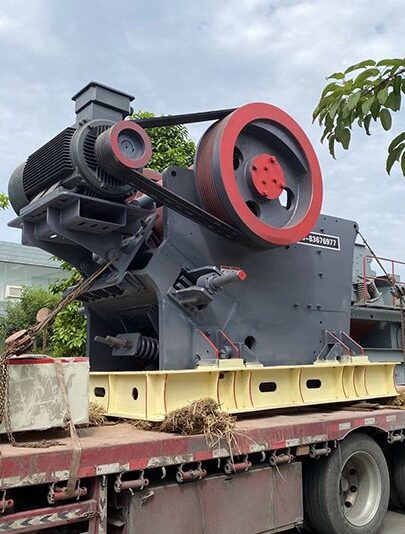
Crushing: The core purpose of crushing the ore is to prepare for the subsequent grinding and flotation process, which is also a key link in the prevention and control of lead pollution. According to the characteristics of galena ore, you need to choose confined crushing equipment. Usually a confined jaw crusher is used for coarse crushing and a cone crusher for medium and fine crushing. Here every part of the process you have to be airtight to ensure that no lead powder leaks during the crushing process.
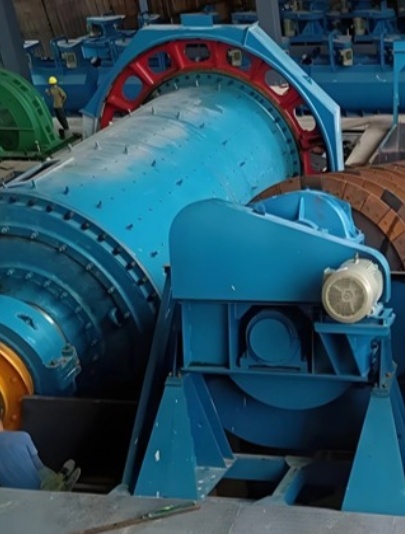
Grinding: The crushed galena ore is fed into a ball mill or rod mill for grinding. This link can components to dissociate the useful particles and impurities, to realize the subsequent high-efficiency flotation. The slurry after grinding needs to be transported to the flotation process in an airtight enclosure, and you also need to regularly clean up the remaining slurry from the grinding equipment to ensure the smooth operation of the equipment.
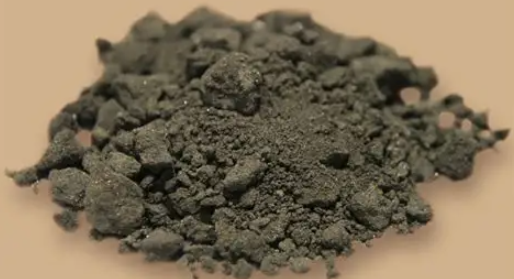
Flotation: The core objective of flotation is to increase the grade of the galena concentrate while reducing lead contamination. In this process, you start by mixing the finely ground galena slurry with water and specialized flotation chemicals. Then, when air is introduced into the slurry, hydrophobic galena particles attach to the air bubbles and float to the surface, forming a layer of lead-mineral-rich foam. At this point, you simply skim this layer of foam to obtain a high-grade lead concentrate.
Smelting: The smelting process converts the flotation-derived galena concentrate into industrially usable precious metals such as lead and silver. Generally you can use fire smelting to remove the remaining impurities in a high temperature environment to get refined lead. If your galena is of low grade and has many co-occurring minerals, you can choose wet smelting. Both methods should do a good job of environmental protection treatment of waste gas, slag and waste water.
Conclusion
Galena is an ancient and important mineral resource, which is a strong support for human industrial development. To get the high value of galena in your mine, it is necessary to both deeply understand galena characteristics to avoid harm, and pay attention to the process and equipment selection in the production process to improve the recovery rate. Contact Sandreck for a one-stop beneficiation solution.
FAQs
Q: What is the most important safety concern when dealing with galena?
A: The most central risk is lead poisoning. Lead dust can enter the body through breathing or contact and accumulate, damaging the nervous, blood and kidney systems. A full set of prevention and control systems must be established, from engineering containment and dust removal to personal protection.
Q: Will the chemicals in the flotation process cause new pollution?
A: Intelligent control can optimize the dosage of chemicals and reduce costs. Today’s low-toxicity, biodegradable and environmentally friendly chemicals can help you reduce the burden of subsequent wastewater treatment and environmental risks at the source.
Q: How to choose really reliable mineral processing equipment?
A: The key is to look at the airtightness of the equipment, the integration of the dust removal system and the automation level. Priority is given to equipment with negative pressure design, and you can also examine the dust emission data of the actual operation of the equipment.
Q: Is it worth investing in flue gas treatment for smelting?
A: It is not only the environmental protection cost, but also the risk avoidance and resource value recovery. Advanced flue gas treatment systems can efficiently recover sulfur to make acid. This can generate revenue for you while avoiding production delays due to environmental issues.