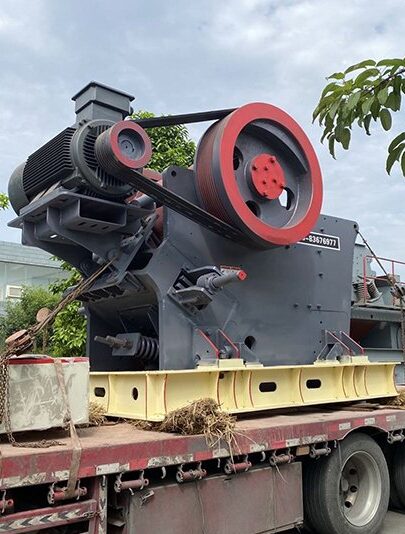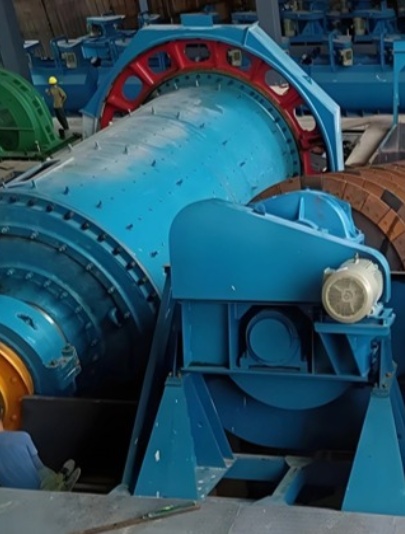

Selecting the right rock crusher machine for hard stone is one of the most critical decisions in quarry and aggregate production. Hard rock such as granite, basalt, and river stone demands equipment that can withstand high abrasion while maintaining consistent output. This guide covers everything you need to know about hard rock crushing, from material characteristics to production line configuration.
1. Understanding Hard Rock
Hard rock refers to natural stone with a Mohs hardness of 6 or above and high compressive strength, typically exceeding 200 MPa. These materials are commonly found in quarrying and mining projects and are widely used as construction aggregates.
Typical hard stone materials include:
| Granite | Basalt | Quartz |
| River Pebbles | Diabase | Gabbro |
2. Challenges of Crushing Hard Rock
- High Abrasive Wear: Hard rocks can quickly wear down crusher liners, jaw plates, and other key components. Equipment must use high-manganese steel or martensitic steel wear parts to extend service life.
- High Compressive Strength: Hard rock requires machines with robust frame structures and sufficient crushing force. Standard impact crushers, for example, may suffer frequent rotor and blow bar damage when processing materials above 250 MPa.
- Energy Consumption: Hard rock crushing consumes 30%–50% more energy than soft rock crushing at the same throughput. Choosing the right crusher type and stage configuration directly affects operating costs.
Additionally, achieving consistent particle size and shape can be difficult without a well-designed crushing process. Multiple crushing stages are often necessary to ensure the final aggregates meet construction standards.
3. Choosing the Suitable Rock Crusher Model
Please select the appropriate equipment model based on your project’s specific data.
| Jaw Crusher | |
| Capacity | Common models covering 100, 200, 300, and 500 TPH |
| Max feed size | Up to 1,500 mm (large models like PE-1200×1500 can handle boulders over 1 meter) |
| Output size | 0–150 mm, adjustable by changing the discharge opening via shims or hydraulic wedge |
| Hammer Crusher | |
| Capacity | Common models at 50, 100, and 200 TPH |
| Max feed size | Up to 800 mm (large heavy-duty hammer crushers can handle 600–800 mm feed) |
| Output size | 0–50 mm, with the bottom grate controlling maximum particle size; can produce 0–5 mm sand directly |
| Double Roller Crusher | |
| Capacity | Common models at 10, 30, and 60 TPH |
| Max feed size | Up to 80 mm (must be pre-crushed material, not raw boulders) |
| Output size | 0–20 mm, adjustable by changing the gap between the two rollers; can produce 0–3 mm, 0–5 mm, or 0–10 mm |
When crushing hard rock, various influencing factors should be taken into account to minimize your upfront investment cost.
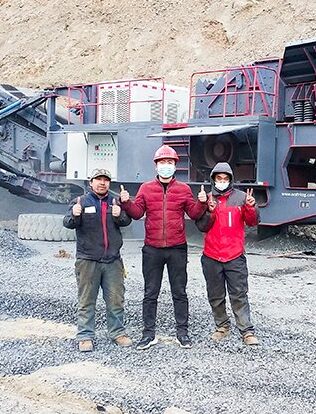
Sandreck, a Chinese rock crusher manufacturer, offers complete hard stone crushing solutions, from jaw and cone crushers to hammer crushers. With cost-effective pricing, customized production lines, and responsive after-sales support, we can help you turn every ton of hard rock into maximum value.