
Buying a stone crusher or a sand and gravel crushing production line is a long-term investment. Choose the right one, and you gain a partner who keeps your plant running at peak performance. With so many suppliers claiming high quality at the lowest price, use these seven points as your evaluation checklist.
1. Engineering Expertise and Track Record
Focus points: Extensive on-site configuration experience
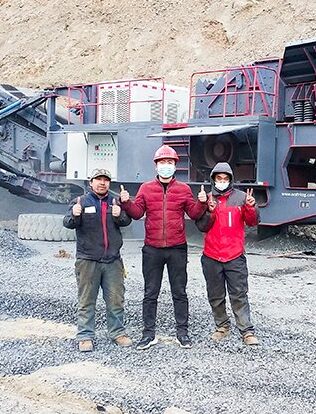
Manufacturers with decades of engineering experience are familiar with the various challenges at production sites — special rock conditions, difficult feed sizes, and diverse finished product specification requirements. Evaluate the company’s years in business, the number of crushing stations already delivered and commissioned, and its customer base. If conditions permit, visit the production site and communicate directly with the factory’s technical staff about actual operating conditions.

2. Product Range and Process Matching
Focus points: Complete rock crusher production process
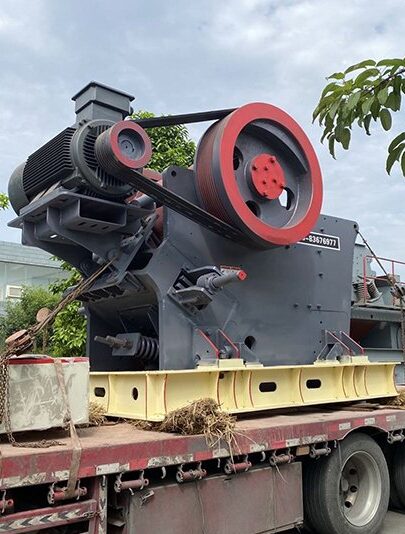
No single crusher is suitable for all applications. Jaw crushers excel at primary crushing of hard, highly abrasive rock; cone crushers efficiently handle secondary and tertiary crushing; and impact crushers are suited for softer materials, producing well-shaped cubical aggregate.
Choosing a crushing machine supplier with a full product line allows them to design a complete crushing process flow, rather than simply pushing a single machine model. Evaluate whether the recommended equipment matches the material’s compressive strength, feed size, moisture content, target throughput in tons per hour (TPH), and the finished product shape required by the market.
3. Supply and Quality of Spare Parts
Focus points: Original spare and wear parts, spare parts delivery time
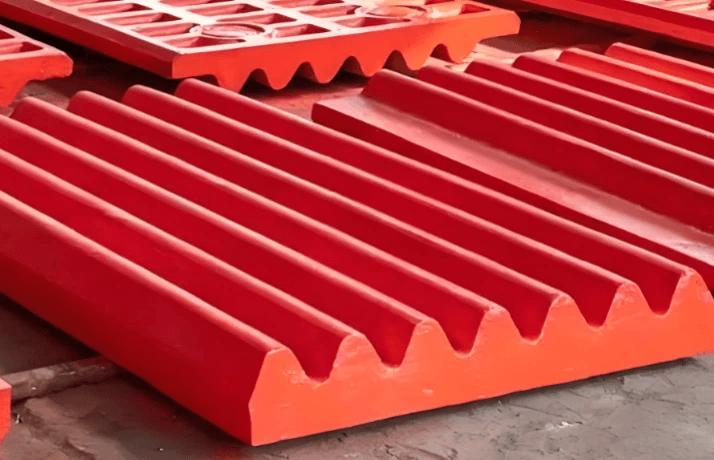
Crushing is a high-wear process, and much of the machine’s real cost lives in its wear parts: jaw plates, cone liners, blow bars, and impact plates. Ask the crusher manufacturer what manganese steel grade these parts use, what hardness and toughness specifications they meet, and what wear life you can expect per ton of material crushed. Cheap, low-grade wear parts may save money on the invoice, but they fail faster and cost far more in downtime, labor, and lost production than they ever saved.
4. Total Cost of Ownership
Estimate the energy consumption per ton of product, wear cost per ton, maintenance frequency, spare parts pricing, downtime losses, and the overall total cost. Keep in mind that every hour of unplanned downtime brings irreversible production losses. Request production cost estimates from equipment manufacturers and compare them across different suppliers.
5. Pre-Sales Engineering and Technical Support
Focus points: Complete engineering solution
The best manufacturers do not just sell machines — they engineer solutions. Strong suppliers offer a site survey, plant layout design, crushing flow planning, installation supervision, commissioning support, and operator training as part of the package. They analyze your raw material, design the circuit to meet your capacity and product targets, and stay involved after startup.
6. Comprehensive After-Sales Service
Focus points: Warranty period, installation service
A crusher is only as good as the support behind it. Remember to ask some direct questions: Does the manufacturer stock genuine spare parts, and what are the typical lead times? What exactly does the warranty cover? How quickly does the service team respond when a machine breaks down? Do they offer remote diagnostics, on-site service engineers, and operator training? When signing a written service agreement, clarify the manufacturer’s response time and spare parts delivery commitments.
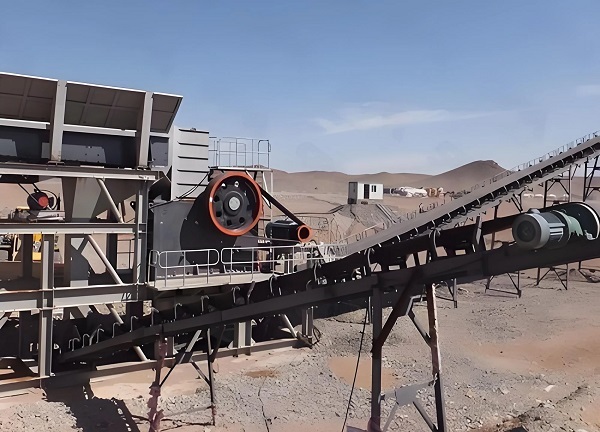
7. Certification, Quality Control and Compliance
Focus points: Qualification guarantee, international certification
Prioritize crusher manufacturers that hold ISO 9001 quality management system certification, the CE marking required for export markets, and factory inspection and test reports for each piece of equipment. Also confirm that the supplier can smoothly provide complete export documentation, including bills of lading and certificates of origin. Additionally, ensure they comply with local safety and environmental regulations — this helps avoid fines, project delays, and reputational damage.
Sandreck
Sandreck Mining Machinery has been engaged in the mining machinery industry for nearly two decades, and thus can meet the special needs of customers and provide them with a full range of crushing solutions. Holding ISO 9001 certification and possessing multiple patents in core technological fields within the rock crushing industry, we are committed to providing high-performance, cost-effective crushing equipment backed by professional after-sales support across the globe.
Planning to select a qualified manufacturer for your next crushing project?
Contact our customer service staff to get a customized plant layout.