
Oxide gold ore is one of the most widely distributed and abundant gold ores in the world. Its long-term exposure to the natural environment, complex mineral composition, and low grade make mining more difficult. As the manager of a concentrator, understanding the characteristics of gold ore and extraction methods will benefit your final profits.
Sandreck is a professional manufacturer of ore processing equipment with extensive experience and technology in ore production. This article will analyze the characteristics of oxide gold ore and outline various technical pathways from pretreatment to core extraction to help you maximize the recovery and utilization of oxide gold ore.
1. What is Oxidized Gold Ore?
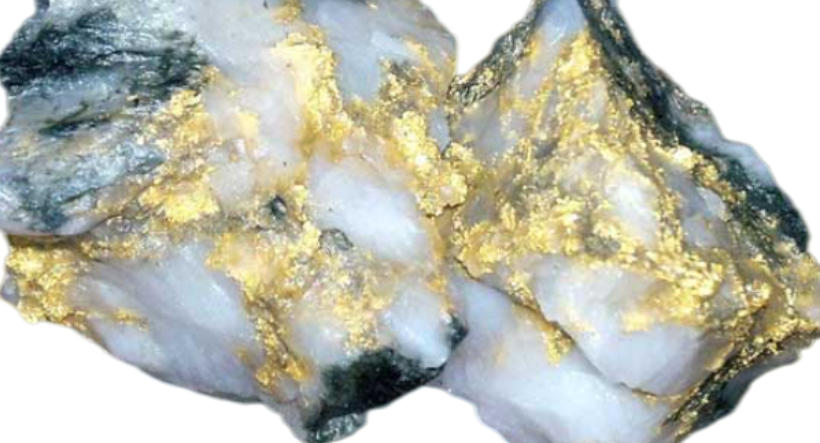
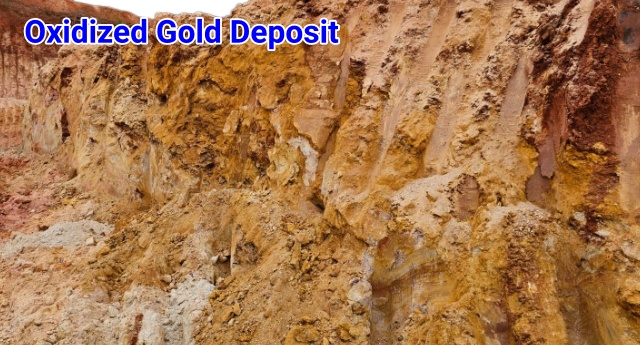
Primary sulfide gold deposits undergo long-term natural weathering and oxidation to form secondary gold deposits, namely oxidized gold ore. Oxidized gold ore is typically yellowish-brown and loosely textured. In addition to gold, this type of ore contains large amounts of impurities such as iron oxide, iron hydroxide, quartz, and clay. Gold is usually encased in hematite or limonite.
2. Challenges in Extracting Oxidized Gold Ore
Mineral Composition: Oxidized gold ore contains large amounts of impurities such as clay, iron oxide, quartz, and organic carbon. These impurities react chemically with the extractant, leading to a significant decrease in recovery rate.
Low Gold Grade: Oxidized gold ore has a low gold content, requiring the processing of large quantities of ore to obtain a certain amount of gold.
Environmental Issues: Wastewater generated during gold mining has a significant impact on the environment. This waste (containing cyanide, heavy metals, etc.) must be treated and meet environmental protection requirements before being discharged.
3. Pretreatment of Oxide Gold Ore
Pretreatment of oxide gold ore is a fundamental step in gold extraction. After pretreatment, ore impurities are reduced, and gold elements are separated from the veins, facilitating subsequent extraction.
1) Ore Characterization Analysis
Chemical Analysis: Conduct comprehensive tests to understand the ore composition. Determine the presence of gold, sulfur, iron oxides, and other minerals.
Morphological Study: Determine the distribution of gold in the ore—whether it is easily sequestered or encased in sulfides.
2) Crushing
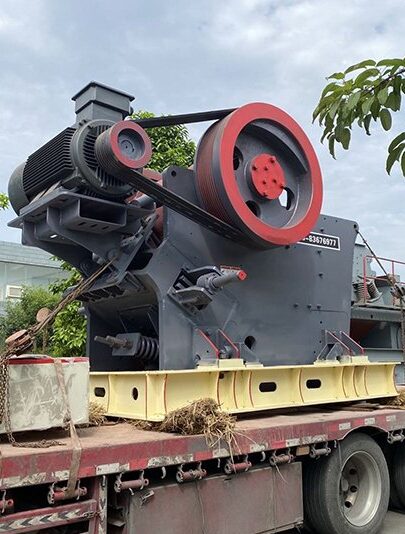
Before crushing the ore, a drum screen can be used to remove clay and prevent equipment blockage. Then, a jaw crusher and cone crusher are used to break the ore into smaller pieces. This initially breaks down the impurity layer encasing gold particles.
3) Grinding
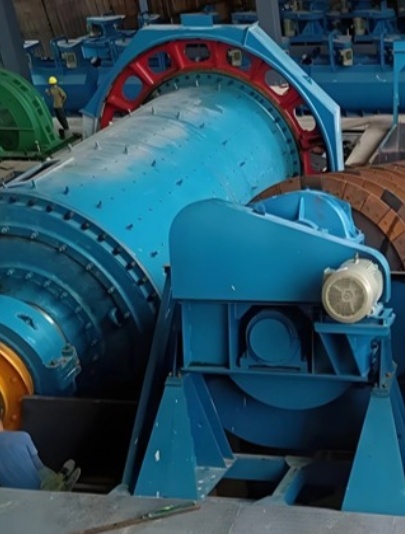
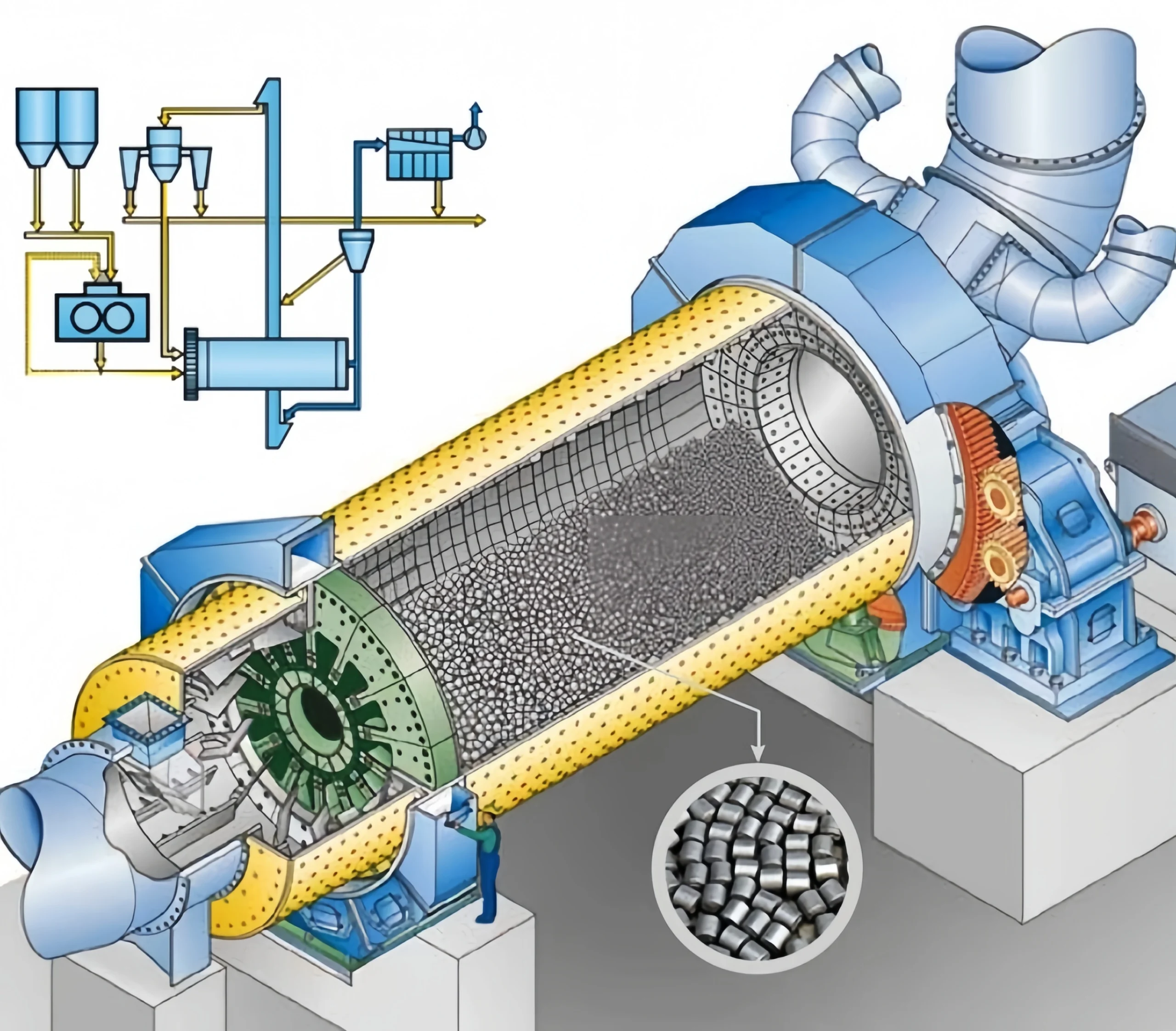
Depending on the ore composition and extraction method, a ball mill is used to grind the ore to a finer particle size (200-325 mesh). The grinding process fully exposes the vein minerals encasing gold for further extraction. Ultrafine grinding can also improve the recovery rate of refractory oxide ores.
4. Methods for Extracting Oxide Gold Ore
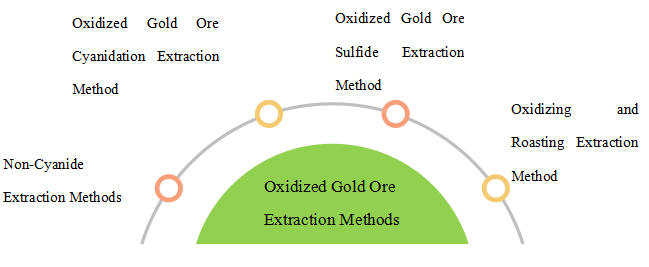
There are various methods for extracting oxide gold ore, each suitable for different situations. We recommend choosing based on your specific needs (cost, environmental requirements, etc.). Below are four mainstream methods for extracting oxide gold ore.
1) Non-Cyanide Extraction Method
Suitable for: Oxide gold ore grades of 0.5-2 g/t with low impurity content. More suitable for small and medium-sized mines.
Advantages: Suitable for low-grade ore extraction. Low environmental treatment costs and low equipment investment.
(1) Gravity Separation
Utilizes the high density of gold for physical separation. This method uses equipment such as centrifuges, shaking tables, or spiral chutes to efficiently recover coarse free gold particles. The entire process does not use chemical reagents, making it environmentally friendly.
(2) Flotation Separation
Flotation utilizes the differences in mineral surface properties to enrich valuable minerals. During this process, a collector is added to enhance the hydrophobicity of gold particles, causing them to adhere to bubbles and rise to the water surface for recovery. Flotation is particularly effective for fine gold particles.
(3) Heap Leaching
Heap leaching is mainly used to process large quantities of low-grade oxidized gold ore. This process involves piling the ore into heaps and spraying a leaching solution to dissolve the gold. The leaching solution is then collected, and the gold is recovered from it through adsorption or displacement methods.
(4) Magnetic Separation
Gold itself is not magnetic, but some oxidized gold ores contain associated magnetic minerals (such as magnetite, hematite, etc.). Magnetic separation can be used to separate these associated minerals for subsequent processing of the non-magnetic gold particles.
2) Cyanide Extraction Method for Oxide Gold Ores
Application Scenarios: Suitable for mines with gold grades of 1-3 g/t and high impurity content. Large enterprises can also choose this method.
The ore is ground into a fine powder and mixed with a cyanide solution to dissolve the gold and form a gold-cyanide complex. This yields a leachate. The leachate can then be processed using methods such as activated carbon adsorption, zinc powder replacement, or electrolytic deposition.
Cyanide is one of the most commonly used methods for extracting gold from oxide gold ores. This method is technically mature, with a stable recovery rate of 70%-90%. The cyanide reagent is low-cost and suitable for large-scale production. However, it is important to note that specialized equipment is needed to treat cyanide-containing wastewater and waste residue to ensure environmental protection and safety.
3) Sulfide Extraction Method for Oxide Gold Ores
Application Scenarios: Suitable for difficult-to-process oxide gold ores, partially oxide ores with insufficient oxidation, and oxide gold ores with low recovery rates.
A sulfiding agent is added to the oxide gold ore to convert the gold element in the ore into gold sulfide, which is then extracted through flotation and cyanide treatment. This method can effectively improve the recovery rate of refractory gold ores. When used in combination with other methods, it can also reduce production costs. However, it is necessary to carefully control the amount of sulfiding agent used to avoid reagent contamination.
4) Oxidative Roasting Extraction Method
Applicable Scenarios: Suitable for oxidized gold ores with extremely high impurity content, and gold-bearing ores that cannot be extracted using conventional methods.
Oxidized gold ore powder is roasted at high temperatures to remove impurities from the ore. Simultaneously, gold is converted into soluble compounds. The recovery rate of this method can reach 75%–90%. However, the extraction process generates harmful gases such as sulfur dioxide, and the equipment investment and environmental protection costs are relatively high.

There is no standard procedure for extracting oxide gold ore. Only extraction methods suited to your mineral characteristics and mine conditions. We hope this article helps you understand the characteristics of oxide gold ore and adopt appropriate extraction methods and equipment to maximize gold recovery while minimizing environmental impact.
Sandreck is a manufacturer of mineral processing equipment, providing end-to-end solutions for various ore mining processes. Contact us for more details.