
Galena is one of the earliest ores mined by humankind. Lead extracted from galena has brought many benefits to modern society, but it has also caused numerous health and environmental problems. The root of these problems lies in the highly toxic element lead, which is the core component of galena.
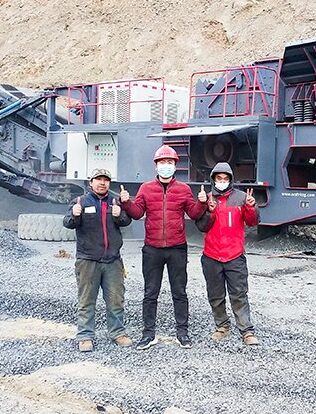
For ore processing plants, understanding the characteristics of galena, scientifically mining it, and selecting appropriate beneficiation processes are crucial for ensuring safety, environmental protection, and profitability. Sandreck, as a professional manufacturer of ore processing equipment, has extensive experience in mining. This blog will take you on an in-depth journey into galena.
1. Galena Overview
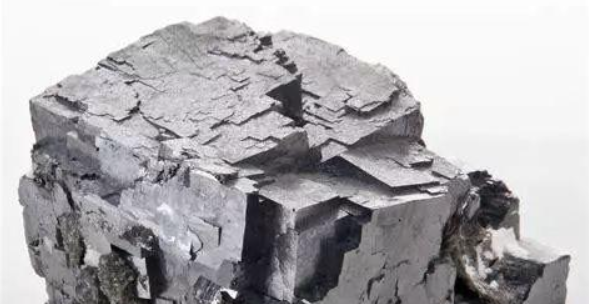
Galena is a common sulfide ore. Its main component is lead sulfide, thus it is considered a source of lead. The chemical formula of galena is PbS. Theoretically, it consists of 86.6% lead and 13.4% sulfur.
Composition: In addition to lead and sulfur, galena sometimes contains silver, zinc, copper, gold, iron, cadmium, antimony, bismuth, arsenic, and selenium.
Color: Fresh galena is bright lead-gray with a metallic luster; after oxidation, it becomes dark gray.
Morphology: Primarily cubic, octahedral, and cubic-octahedral composite crystal systems. The crystals belong to the isometric crystal system.
Hardness: Mohs hardness is 2.5–2.75; it is soft and can be slightly scratched with a fingernail.
Physical Properties: Specific gravity is 7.4–7.6, giving it a “heavy” feel. Galena has weak electrical conductivity, moderate waveguide detectability, and semiconductor properties. Oxidized galena easily transforms into lead alum and cerussite, increasing the difficulty of beneficiation.
Origin: Galena reserves are abundant and widely distributed. The Mississippi River Valley in Missouri, USA, is the world’s largest galena deposit, with lead reserves reaching 30 million tons. The ore has high density and high grade. China, Australia, Canada, and the United Kingdom also possess high-quality galena resources.
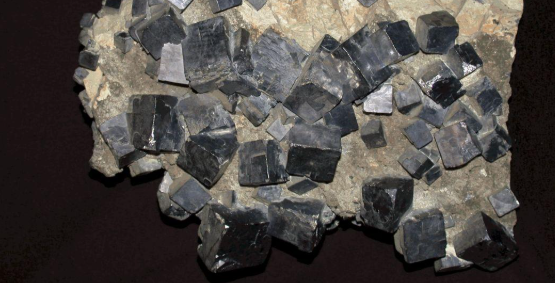
2. Formation of Galena
The formation of galena is closely related to Earth’s magmatic and hydrothermal activity. It primarily forms during low- and medium-temperature hydrothermal processes. Magmatic activity carries large amounts of lead- and sulfur-rich hydrothermal fluids. When the surrounding temperature and pressure change, lead and sulfur ions in the hydrothermal fluids combine and crystallize, forming galena.
3. Uses of Galena
The core value of galena lies in its lead and associated silver content. After beneficiation and smelting, it has wide applications in numerous industrial sectors. Galena has played a vital role throughout history.
1. Metal Smelting: Lead extracted from galena smelting can be used to manufacture coins, pipes, and other metal products.
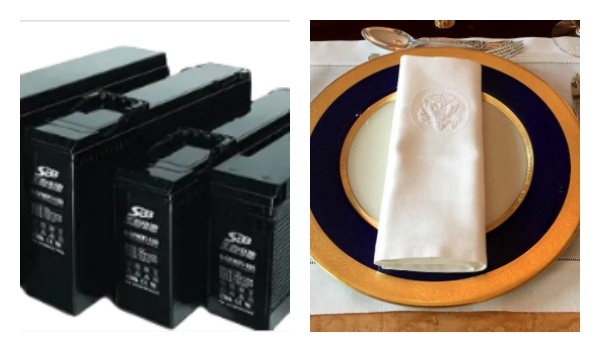
2. Lead-acid Batteries: Batteries made from processed galena are widely used in automobile manufacturing.
3. Defense: Lead extracted from galena can be used to manufacture bullets and ammunition cartridges.
4. Ceramics: Galena ceramics are among the finest ceramics in the world and have been used as official tableware in the White House on numerous occasions.
5. Other Uses: Medicinal lead extracted from galena can be used to treat diseases. Lead compounds are also used to manufacture pigments and coatings.
4. Hazards of Galena
The value and risks of galena stem from its core element—lead. Lead is a non-degradable, cumulative heavy metal poison that poses a significant threat to humans and the natural environment. Therefore, its mining and processing are strictly regulated. Improper management can lead to the following problems:
Air Pollution: Lead-containing dust generated during galena crushing and transportation severely pollutes the air.
Wastewater Pollution: Wastewater from galena processing contains heavy metal ions; direct discharge will pollute surface and groundwater.
Waste Residue Pollution: Residual lead in waste residue can seep into the soil and groundwater, polluting the soil and impacting ecological health.
Operational Risks: Toxic lead dust or fumes are released during ore crushing, grinding, or smelting. Excessive exposure to lead can lead poisoning, damaging human organs and tissues.

5. Galena Beneficiation and Smelting
1) Exploration: The mineral reserves and quality of galena deposits determine the ultimate profitability of a mine. Therefore, exploration work is crucial before finalizing a mining plan, including geological surveys, drilling test holes, and analyzing mineral samples.
2) Mining: Open-pit mining can be used if the deposit is large and shallow. If the deposit is deep, underground mining is necessary. Concentrated ore stockpiling can reduce lead contamination.
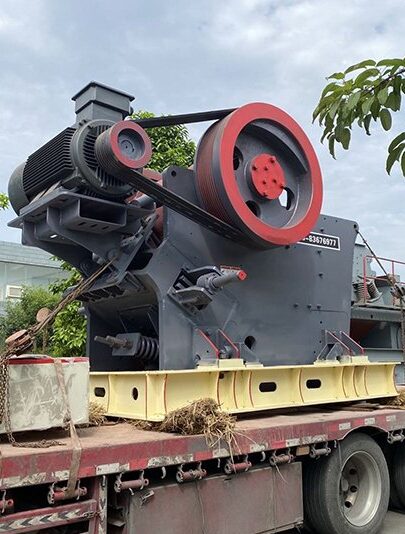
3) Crushing: Due to the characteristics of galena, enclosed crushing equipment is required. Jaw crushers are typically used for coarse crushing, and cone crushers for medium and fine crushing. Each stage of the crushing process must be sealed to ensure no lead powder leakage.
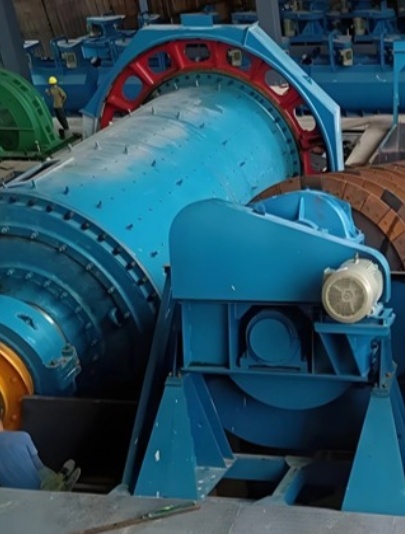
4) Grinding: The crushed galena is fed into a ball mill or rod mill for grinding. This stage separates useful particles from impurities in the ore. The ground slurry is then transported in a sealed container to the flotation process.
5) Flotation: The core objective of flotation is to reduce lead contamination while improving the grade of galena concentrate. The process begins by mixing finely ground galena slurry with water and specialized flotation reagents. Then, when air is introduced into the slurry, the hydrophobic galena particles adhere to the air bubbles and float to the surface, forming a foamy layer rich in lead minerals. This foamy layer is then simply skimmed off to obtain a high-grade lead concentrate.
6) Smelting: The smelting process converts the flotation-obtained galena concentrate into industrially usable precious metals such as lead and silver. Typically, pyrometallurgical processes are used to remove residual impurities at high temperatures, yielding refined lead. If the galena grade is low and contains various associated minerals, hydrometallurgical processes can be chosen. Both methods effectively treat waste gas, slag, and wastewater, achieving good environmental results.
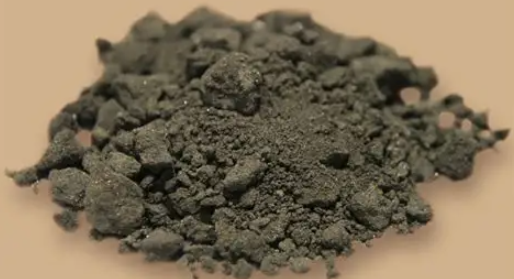
Galena is an ancient and important mineral resource, providing strong support for human industrial development. To fully exploit the high value of galena in mines, it is necessary to have a thorough understanding of its characteristics to avoid hazards, and to focus on the selection of processes and equipment during production to improve recovery rates. Contact Sandreck for one-stop mineral processing solutions.