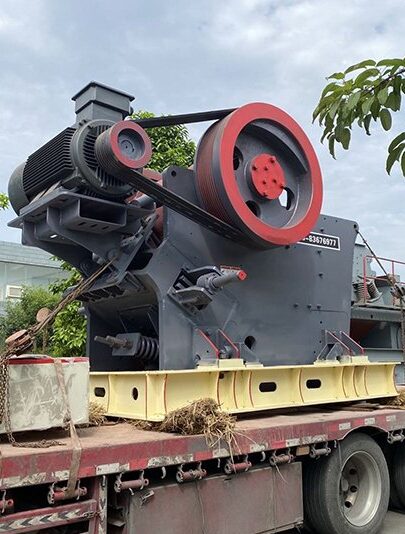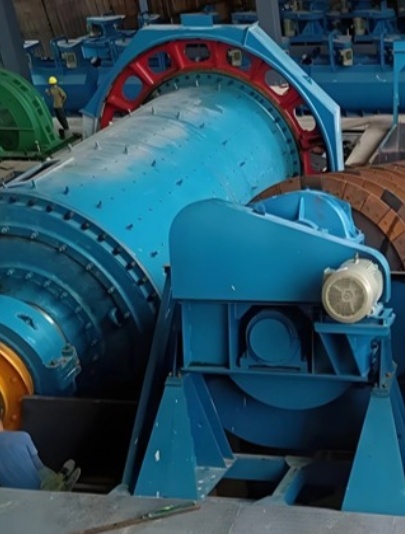

Hammer crushers are core equipment in mining and stone crushing. They have a simple structure, can crush both dry and wet materials, and offer high crushing efficiency, making them indispensable crushing equipment in many mineral processing plants and cement plants. However, in a long-term high-load production environment and under the influence of various materials, hammer crushers inevitably experience various malfunctions, affecting production.
Sandreck is a professional stone crusher manufacturer with extensive crushing experience and technology. We have summarized the 9 most common hammer crusher malfunctions and provided corresponding solutions to help you quickly troubleshoot these problems.
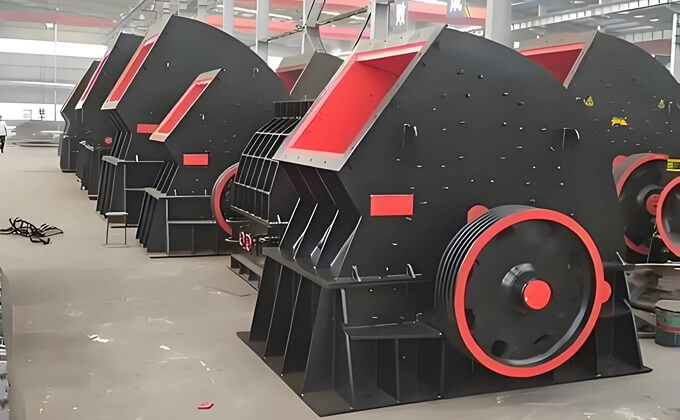
1. Severe Vibration of the Hammer Crusher
During startup or operation of the hammer crusher, the equipment vibrates violently, and connecting bolts may loosen or fall off. Immediate shutdown and inspection are necessary. Continuing operation may cause cracks in crusher components, affecting the operation of related equipment.
Causes: Imbalanced hammer installation; poor foundation construction leading to loose bearing seats; bent pins.
Solutions:
① Stop the machine, disassemble the hammers, and replace damaged or severely worn parts. Weigh each hammer to ensure the weight of each set is equal.
② Thoroughly inspect the connecting bolts and reinforce the concrete foundation.
③ Replace worn pins and inspect components such as the triangular disc and circular disc.
④ Control the feed particle size to prevent large pieces of material from impacting the crushing chamber.
2. Abnormal Bearing Temperature
If a burnt smell is present, the bearing temperature exceeds 70°C, and the lubricating oil turns black or begins to leak, the bearing is defective.
Causes: Insufficient, excessive, or contaminated lubricating oil; aging or physical damage to the bearing itself.
Solutions:
① Shut down the machine to cool the bearing and check the oil level and type. Regularly check and change the lubricating oil as needed.
② To minimize dust damage to the bearing, install or repair the bearing dust seals.
③ Replace aged or damaged bearings.
3. Excessive Hammer Wear
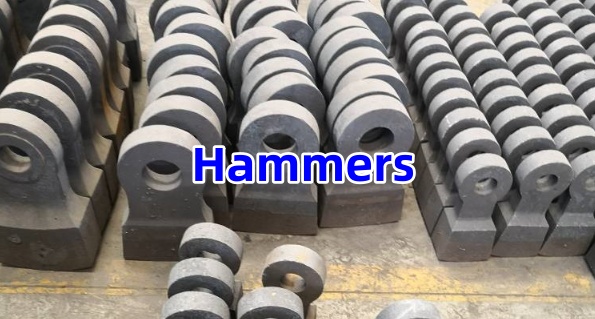
Causes: Material hardness exceeds standards; impurities such as iron blocks wear down the hammers; hammer material does not meet production requirements; excessive feed clogging the crushing chamber; excessively high equipment speed.
Solutions:
① Screen out materials with excessive hardness and high impurity content.
② Replace with high-hardness, wear-resistant hammers.
③ Optimize the feeding method to ensure uniform feeding.
④ Adjust the hammer crusher speed according to the requirements of the material to be crushed.
4. Uneven Output Particle Size
During crushing, the output particle size may not meet production requirements, and some materials may not be fully crushed.
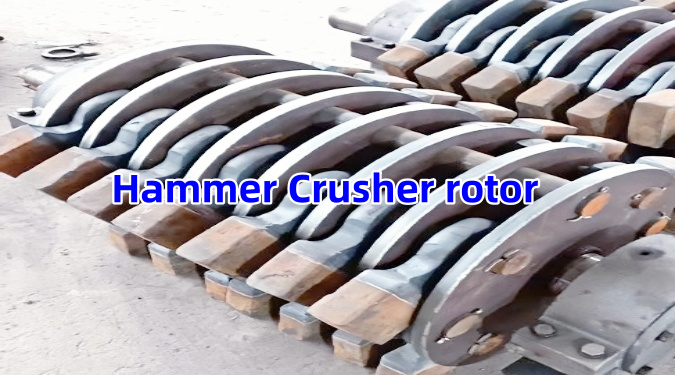
Causes: Hammer wear leads to uneven crushing force. Incorrect hammer installation angle, improper discharge port adjustment, or unstable rotor speed can all reduce crushing efficiency.
Solutions:
① Check the hammer wear. The weight and wear degree of all hammers should be approximately the same.
② Adjust the hammer installation angle. This is crucial for uniform force distribution during machine crushing.
③ Adjust the discharge port gap. This determines the final product size.
④ Inspect the motor and transmission system. Ensure the rotor speed remains stable.
5. Motor Shutdown
If the motor current exceeds the rated value during hammer crusher operation, the overload protection device will activate, causing the motor to stop. Ultimately, this will lead to motor tripping and equipment shutdown.
Causes: Blockage in the crushing chamber causing motor overload; excessively hard material requiring higher motor power for crushing; motor circuit failure; aging or short-circuited motor coils.
Solutions:
① Stop the machine, clear blockages from the crushing chamber, and adjust the feed rate.
② Remove excessively hard material. This will prevent motor overload.
③ Check the motor wiring, tighten loose connections, and correct wiring errors.
④ Check the bearings and rotor, remove any blockages, and replace any stuck bearings.
⑤ If the motor itself is faulty, have it repaired or replaced by a professional.
6. Discharge Port Blockage
When the equipment’s output significantly decreases, it may be due to the material to be crushed blocking the hammer crusher’s discharge port. To avoid equipment overload, you need to promptly check and clean the discharge port.
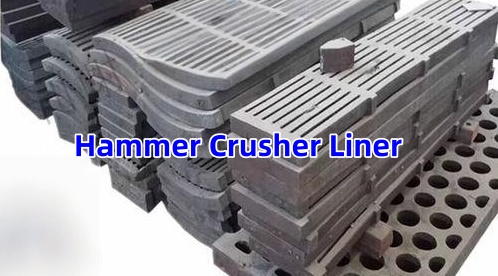
Causes: Discharge port too small; material moisture content too high; discharge port blocked by debris or large pieces of material; malfunction of the discharge device.
Solutions:
① Adjust the discharge port gap according to the particle size of the material to be crushed.
② Pre-treat materials with high moisture content to prevent them from adhering to the inner wall of the discharge port.
③ Clean debris and material from the discharge port promptly to ensure smooth discharge.
④ Inspect the discharge device and repair or replace damaged parts.
7. Abnormal Equipment Noise
Performance: During operation, the hammer crusher may produce abnormal noises, including impact, friction, and sharp sounds. In severe cases, the abnormal noise is accompanied by increased vibration, which can cause the equipment to malfunction.
Causes: Loose or damaged hammers colliding with the crushing chamber; rotor imbalance; bearing wear.
Solutions:
① Immediately stop the machine and check the hammers, pins, rotor, bearings, and lubricating oil level. Replace any damaged parts immediately.
② Clean hard objects and impurities from the crushing chamber.
8. Reduced Output
When the material moisture content is too high or the feed is uneven, the hammer crusher’s output will decrease significantly.
Solutions:
① Turn off the machine and clear any blockages at the discharge port.
② Strictly control the material moisture content and adjust the feeder speed and feed rate to ensure continuous and uniform feeding.
9. Belt Issues
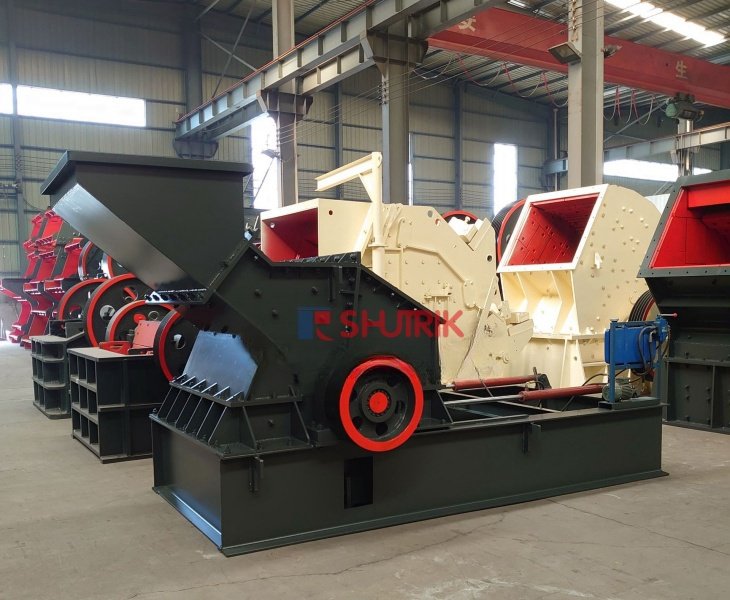
Under high-load conditions, hammer crushers may experience belt loosening, damage, and aging. Belt failure not only reduces crushing efficiency but can also lead to equipment shutdown in severe cases.
Solutions
① Adjust belt tension to ensure it is neither too loose nor too tight.
② Replace the belt promptly if it is damaged or broken.
③ Regular belt inspection and maintenance are essential.
Hammer crushers are core crushing equipment in mineral processing plants, and their operating condition is closely related to your profits. We hope that the nine common hammer crusher malfunctions described in this article will help you solve practical problems in production.
If you need more solutions and maintenance strategies, please contact Sandreck today!