
In a sand and gravel production line, the Stone Crusher is an equally important part of the production line, like the “heart.” It directly determines your production capacity, your quality of finished product, and eventually your profits
But selecting is not a difficult problem. Below I shall take you step by step in a clear cut four-fold selection procedure, that will help you to come to an excellent selection.
Step 1:- Determine Your Actual Needs
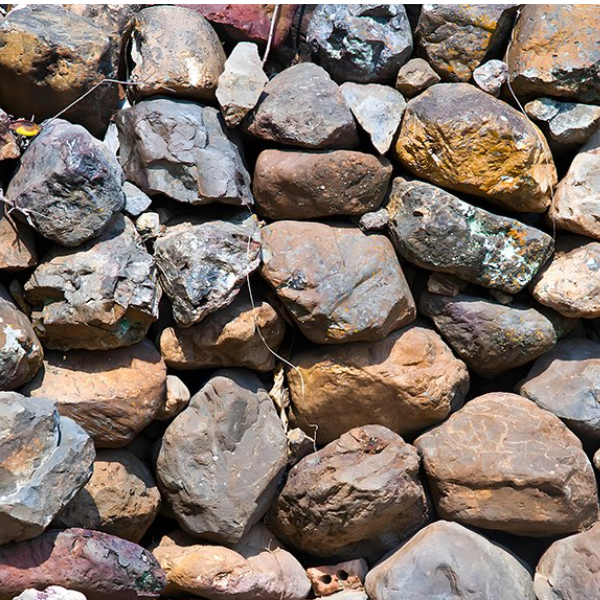
Study Of the Characteristics of the Material
Hardness and Abrasiveness:
Are you using hard and abrasive materials, such as granite or basalt, or materials of medium or low hardness, such as limestone or bluestone?
The hardness of your material determines to a great extent, the type of Stone Crusher and also the material of the wear parts to select.
The Original Size of the Particles:
What is the maximum feed size of your raw stone? It is necessary to know this size, to ascertain the necessary size of the Primary Crusher desired.
Moisture and Clay Nature:
Is it dry, wet or muddy? Moisture or clay content may block the actual crushing chamber, which leads you to select your equipment.
Requirements of the Finished Product
Specifications of Product:
How many finished products do you require? Do you want 12/13 gravel only, or will you require 05 gravel and manufactured sand?
Do you have any specification for the shape of the grains (preferably cubic and polygonal) gradation continuous? (For instance, aggregates for commercial concrete, require very good shape).
Desirable Output:
What production do you want to put through in the hour or day? (For instance, the arrangements for the production lines of 200 tons/hour and 800 tons/hour are considerably different.)
Site and Operational Conditions
Nature of Place of Production:
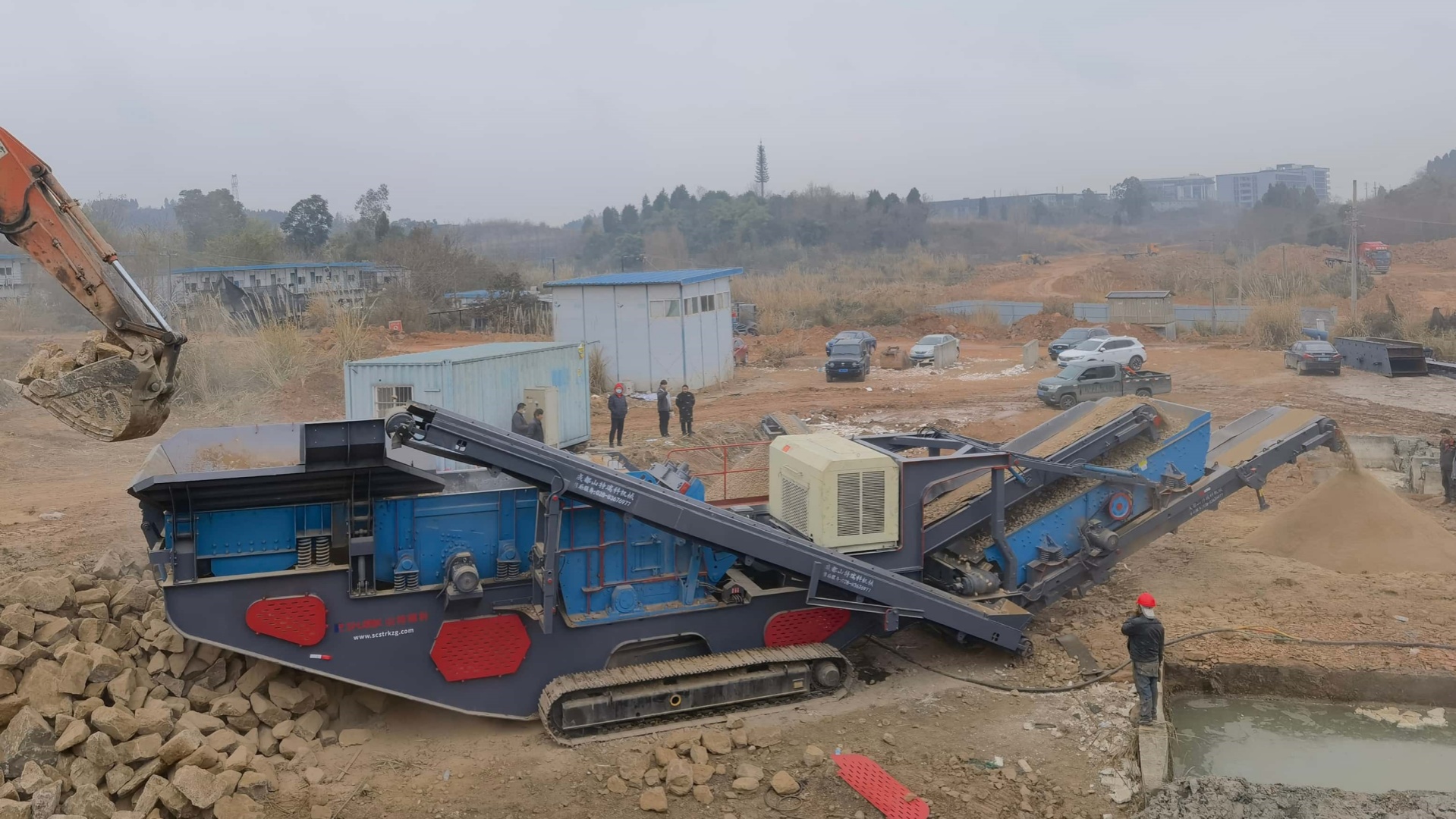
Is it a fixed, permanent factory, or is it a temporary project and required moving about? This fact governs greatly whether you may select a fixed production line, or a mobile crushing station.
Space Conditions:
Is there space sufficient? Is the nature of the ground such that it is of complex structure? This fact has an effect on the settings of the production line.
Long-Term Prospects: Is this a temporary project or is it to be for a long term feature? Long-term opportunities are a better basis for telling you to search for durability and reliability of construction.
Money Budget Feature
What Money Must Be Considered: Do you want to invest initially lower in your equipment or be influenced more as to maintenance costs later on (Such as: for energy consumption, wear parts life), etc? It is more likely that cheaper equipment means that considerable more is spent in the latter stages of its life
Step 2: Know the Stone Crusher, Types and Applications of Stone Crusher
Now that you have your own feelings, we can get acquainted with the different types of Crushers that can be seen on the market.
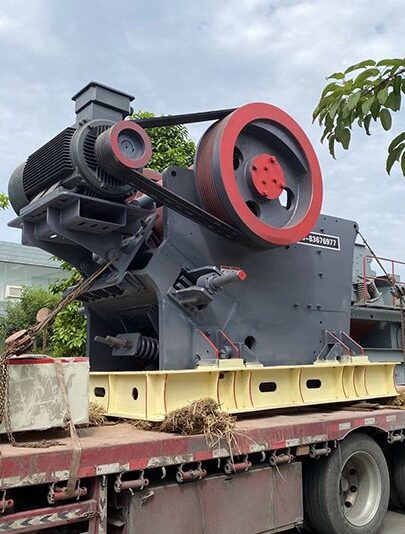
Jaw Crusher (Expert in Primary Crushing)
Characteristics: The so-called tiger mouth crushing method is adopted, and the discharge size can be between 50-300mm. It is very strong and is the unquestionable “first barrier”, after which there is a wide variety of things in every sand and gravel production line.
Advantages: the feed port is large, the crushing ratio is greater.
Disadvantages: I can not accomplish crushing the fine crushing work directly. I have to have the help of other crushing devices.
Applications: Primary (coarse) crushing in almost all production lines.

Cone Crusher (Expert in Medium Fine Crushing of Hard Rock)
Features: The laminated crushing principle of the Cone Crusher makes it possible to crush 50-300mm materials from the Jaw Crusher into smaller pieces from 5-50mm.
Advantages: Productivity is large, operation is stable, service life of wear parts is long. It is especially suitable for materials with great hardness and great abrasiveness.
Disadvantages: Investment is considerable. The adaptability to moisture and stickiness of the materials is weak, so that a blockage of the crushing chamber is easily produced.
Applications: The medium and fine crushing of hard rocks such as granite, basalt, and river pebbles. It is especially suitable for those conditions giving the highest quality in crushed stone shape (for example in concrete aggregates, highway)

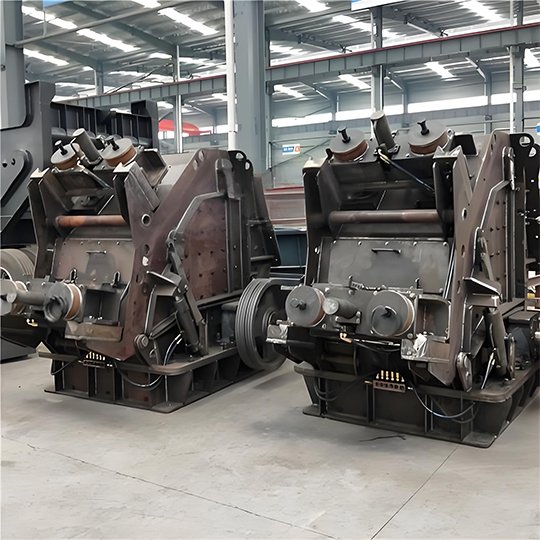
Impact Crusher (Expert in Solving Medium and Fine Crushing).
Characteristics: The crushing and shaping work are done together, where the energy of impact is used with the interaction between hammer plates and impact plates.
Advantages: The finished product gives engraved shape (cubic), the output is adjustable, relatively simplified process flow.
Disadvantages: Very petty in the improvement of terms, for instance, wear resistance (the hammer plates are easily worn), capacity is relatively low as compared to the Cone Jaw Crusher.
Applications: The medium or fine crushing and shaping of soft materials such as limestone, shale, and coal gangue. Best adapted to small or middle sand and gravel production plants, it is sufficient to serve the two labors of crushing and shaping, and the cost of crushing machines is diminished.
VSI Crusher (Expert in Quality Sand)
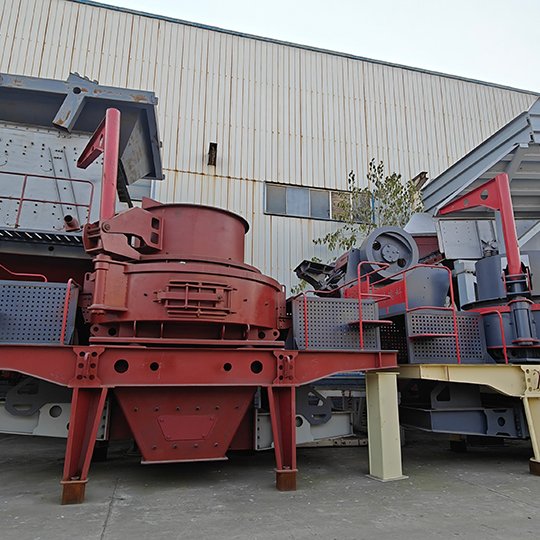
Characteristics: The so-called “core apparatus” in the work of artificial sand production, can convert crushed stone into high-quality finished sand. success by the combination of “rock on rock” and “rock on iron” characteristics. The materials are made alive and propelled by means of the rapidly revolving impeller to collide with the surrounding lining or guard plates.
Advantages: Perfectly cubic sand grains are formed, a natural grading occurs, an adjustable degree of fineness. TThe preferred equipment for producing high-quality manufactured sand,Besides this, the VSI Crusher also has possibilities of stone shaping.
Disadvantages: Very narrow demand related to the size of feeding (≤40mm). A coarse and medium crushing must necessarily precede.
Application Areas: Specifically designed for producing high-quality manufactured sand, suitable for premium concrete requiring stringent aggregate shape specifications and high-value stone shaping.
【Fast Selection Guide】
Objective: Crush Hard Rock (e.g., Granite)
Recommended: Jaw Crusher + Cone Crusher
Objective: Crush Medium-Soft Rock & Emphasize Grading (e.g., Limestone)
Recommended: Jaw Crusher + Impact Crusher
Objective: Single-Stage, Low-Cost Crushing of Medium-Soft Rock
Recommended:Hammer Crusher
Objective: Demand Flexibility & Non-Fixed Site
Recommended: Mobile crushing station composed of Mobile Jaw Crusher, Mobile Cone Crusher, or Mobile Impact Crusher.
Step 3: View the Rock Crushing Line As a Whole
Bear in mind that no Crusher stands alone. It is on a specific system and works with other machines.
Typical Crushing and Screening Process
The Classical Process Is as Follows:
[Feeder] -> [Jaw Crusher] (primary crushing) -> [Cone Crusher/Impact Crusher] (secondary crushing) -> [Vibrating Screen] (screening) -> [Sand Maker] (optional, for producing manufactured sand)
The capacity of the Stone Crusher must match the capacity of upstream and downstream equipment , e.g., feeder, screen, conveyor.
Thus, if the Stone Crusher has an output of 200 tons per hour, but the feeder can only feed 150 tons, the stone crusher will be “underfed,” and thus its output will go to waste. If, on the other hand, the feed is too great, the Crusher will choke and obstruct, or be unable to deal with, the feed.
Screening is Key:
The vibrating screen grades the mixed crushed materials. The good mixed products are sent out, but the bad coarse products are sent back to the Stone Crusher for further reduction. This results in a “closed-circuit cycle,” which provides the machinery to obtain correctly graded sizes in output products.
Fixed vs. Mobile: A Tactical Question
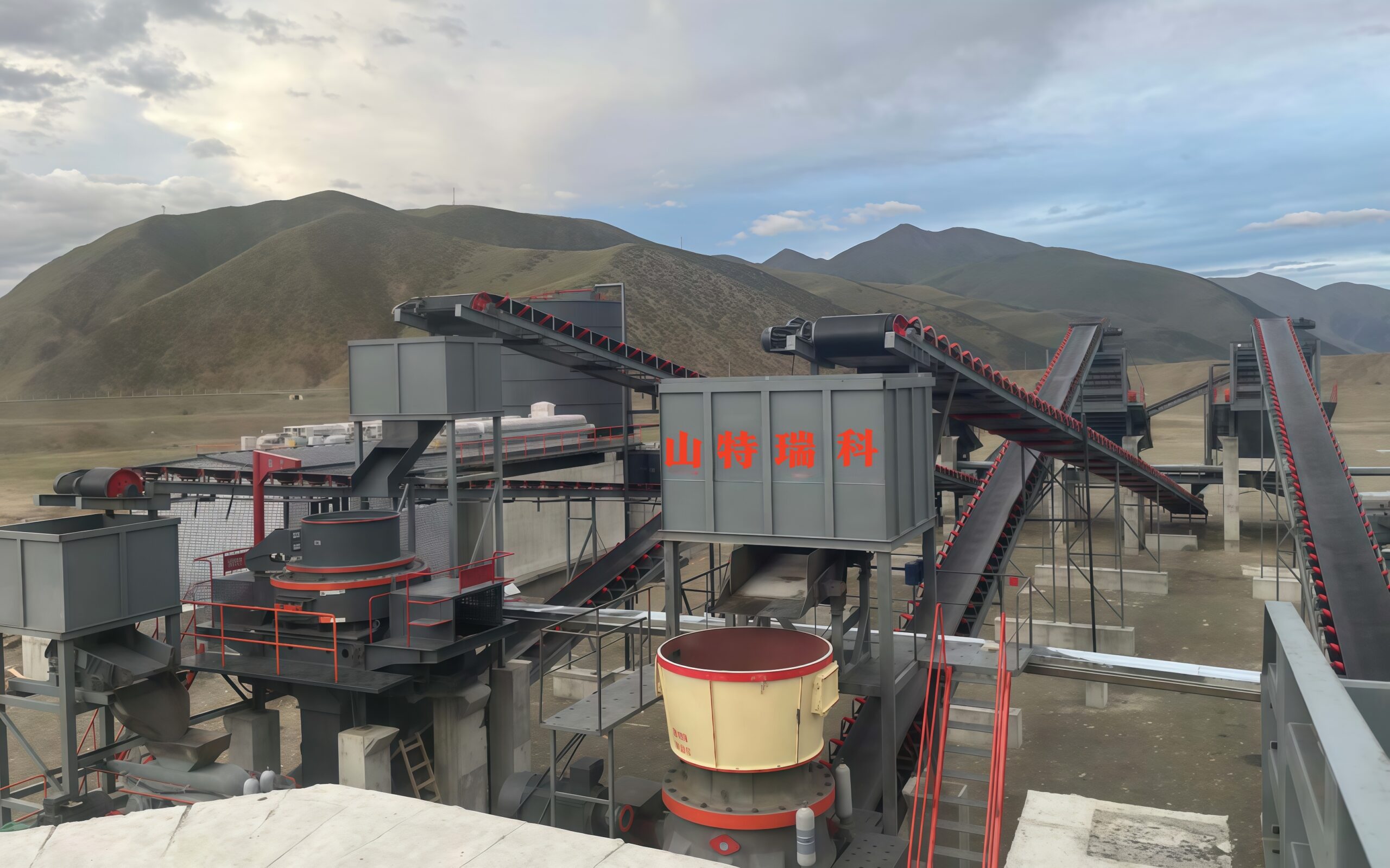
Fixed Production Line:
Large output, steady working, low costs. Suited for long-range work of a local nature, this is ideal for lasting, large work of the fixed-site or locality nature.
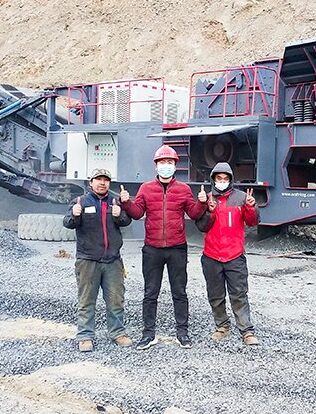
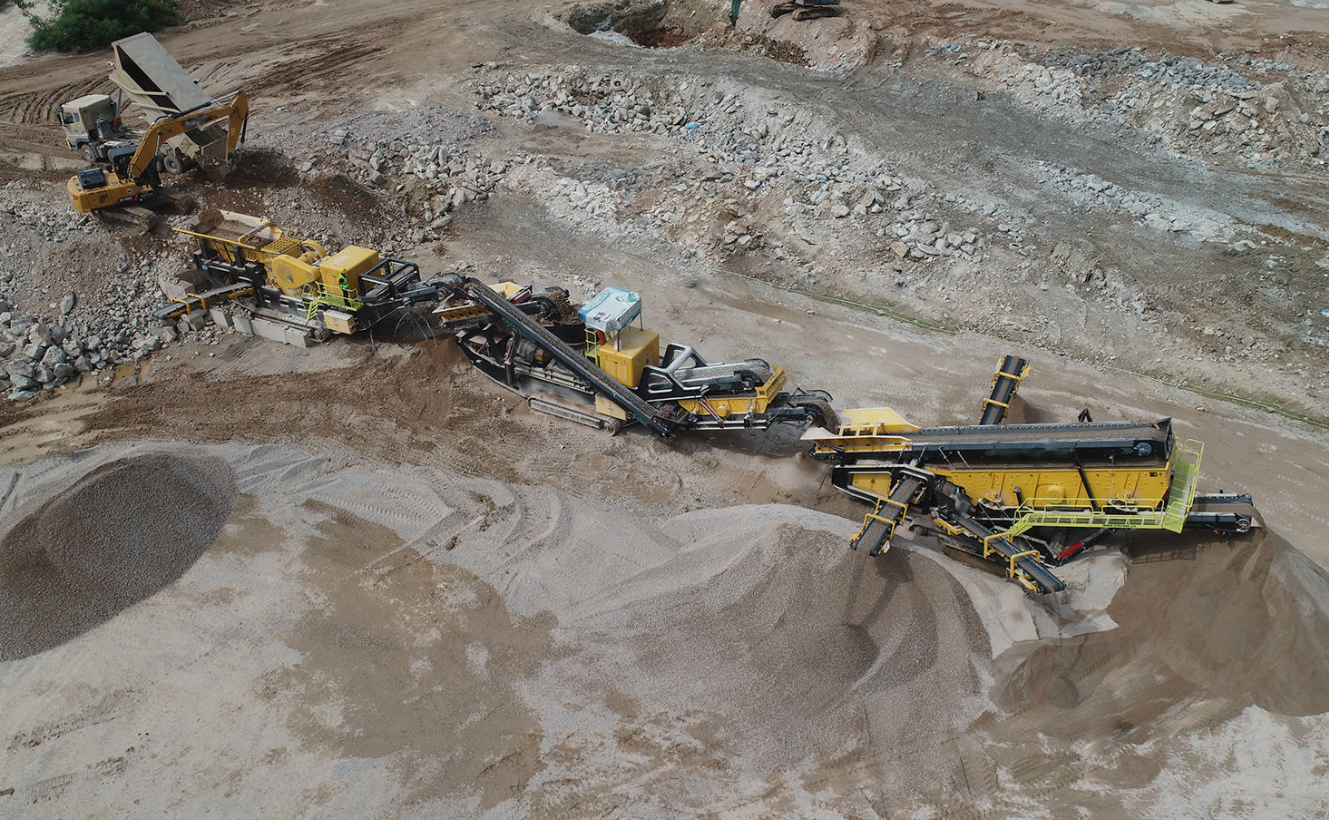
Mobile Crushing Plant:
These combine all feeding, crushing and screening appearances.
These types are, generally speaking, fitted on wheeled or tracked chassis.
There is no necessity for a concrete foundation. They can be driven in a direct position at the source of the raw materials. This is a great advantage in the case of building material and construction rubbish.
They are also suitable together with lack of locality for mining, or lack of local calls, all long or shorter duration, where frequent relocation is necessary.
Step 4: Choose a Quality Equipment Supplier
Choosing a machine is like choosing a partner for a long time to come. A quality supplier is much more important than just a temporary low price.
Check the Strength of the Manufacturer:
Does the manufacturer have a professional R&D team, advanced production workshops and many successful project cases? This is directly related to the quality, reliability and technological advanced level of the equipment.
Check the After-sales Service:
- How complete is his after-sales service network?
- Can he ensure prompt supply of spare parts (sufficient supply of wear parts)?
- Can he ensure the supply of professional installation , commissioning and technical training?
Make Use of The Testing Service:
An obliging and confident manufacturer will be pleased to allow you to conduct a material crush test. It is the most direct and natural way to test the ability of the equipment if you see with your own eyes how your raw material is crushed into the finished products you are in need of.
Successful Examples in Selection
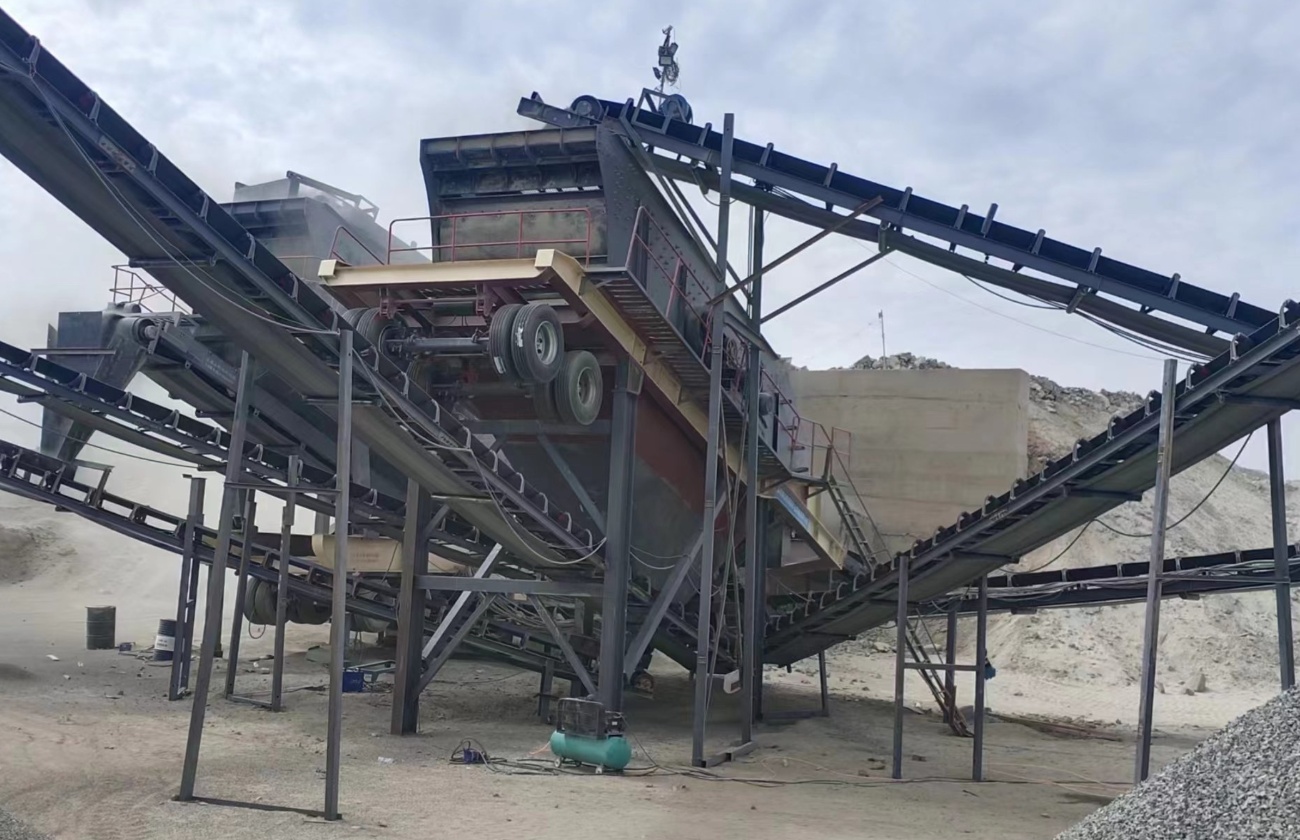
Case 1: Big Granite Sand and Gravel Plant
Requirements on capacity: 300 t/h
Finished product: Concrete Aggregate
Background: A plant situated in a granite giving mountainous area got an order to supply concrete aggregate for a highway project.
Requirements: That the finished product should be in the sizes: 10 – 5 mm, 20 – 10 mm, 31,5 – 20 mm and that the flakiness content should amount to up to 5 % max.
The material: Granite (hardness grade 7).
Chosen solution: Jaw Crusher (primary, Model PEV-900×1200) + Cone Crusher (secondary, Model HST660) (300 t/h) + Grading Machine (Screen).
Profit:
- The finished product fulfilled the shape required, the flakiness content was only 3%, which fully satisfied the requirements of the highway project.
- Smooth working, normal monthly stoppage due to maintenance 2 hours, capacity use 95%.
- Undertaken delivery could be fulfilled successfully, which net per month delivered amounted to more than 2 million RMB ono
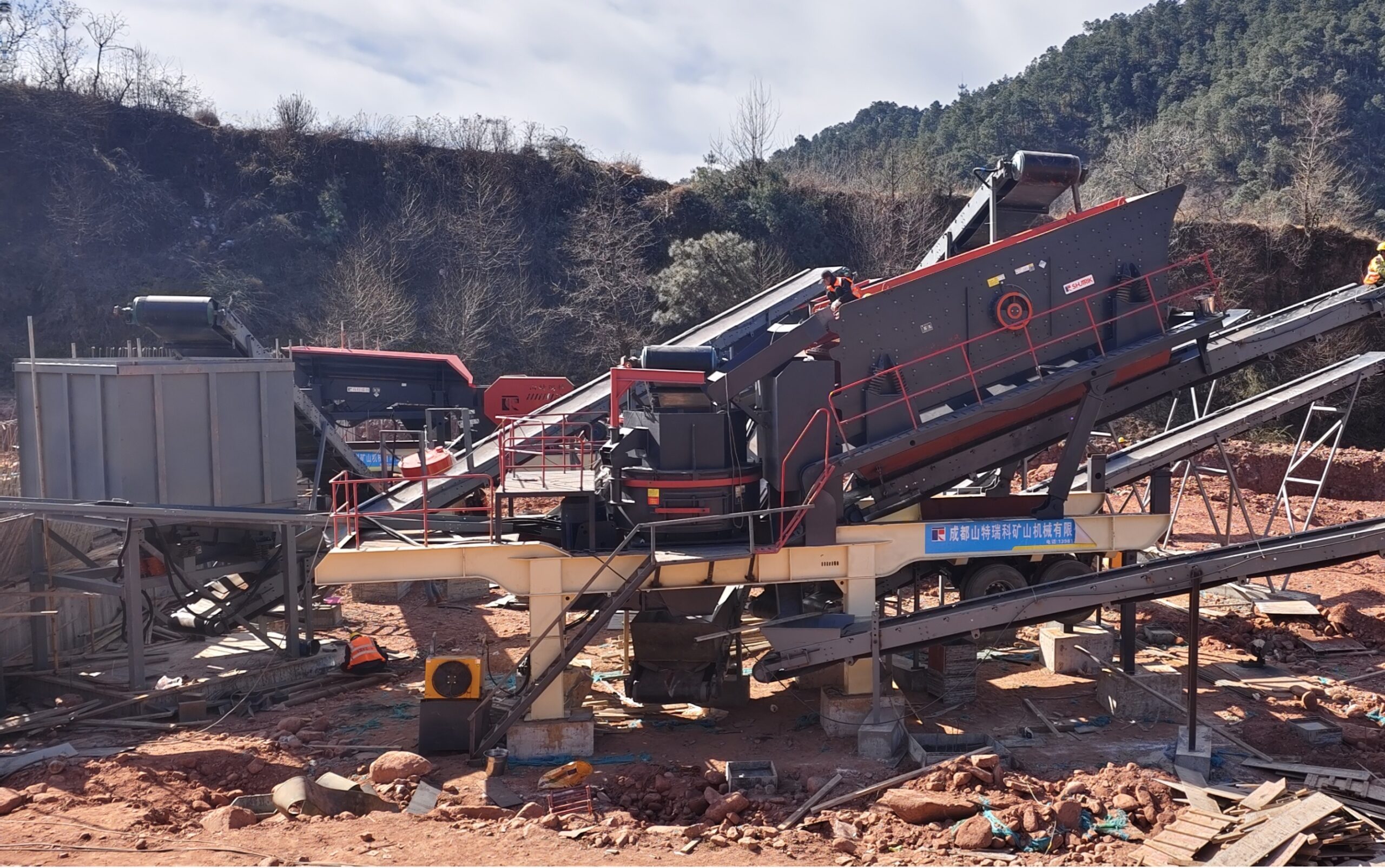
Case 2: Medium-Small Limestone Sand and Gravel Plant.
Requirements on Capacity: 80 t/h,
Finished Product: Building sand + crushed stone.
Background: A plant in a limestone quarrying area mainly had to reckon with local building firms, and the requirement was to procure simultaneously both 0 – 5 mm artificial sand as well as 30 – 10 mm crushed stone, and the budget was restricted (cost of equipment should remain namely below 1 million RMB).
The Material: Comes from limestone (hardness 4).
Chosen Solution: Impact, Model PF-1214 (90 t/h, combined crushing and shaping) + VSI Crusher (small, Model VSI-7615, for sand making) + Sand Washing Plant.
Profits:
- Artificial sand while being reasonable as to grading, 8 % powder contents, satisfactory use in building sand.
- Total equipment cost amounted to only 900,000 RMB, the requirements of the budget were satisfied.
- The cost of investment was regained within 6 months from start of operations, yearly net profit above 800,000 RMB.
Conclusion
The choice of the right Stone Crusher is the start for an efficient production in a sand and gravel plant. The right equipment matching with the correctness as to required quantity of capacity, raw material and needed cost, is the thing which very much regulates the possibilities of an individual operation to develop likeways in competition.
If you have questions, please contact us at [Sandreck Mining Machinery]. We shall help you and give you a solution for a sand and gravel crushing plant which is adjusted to your working conditions.