
1. Choosing the Right Jaw Crusher Plates Material
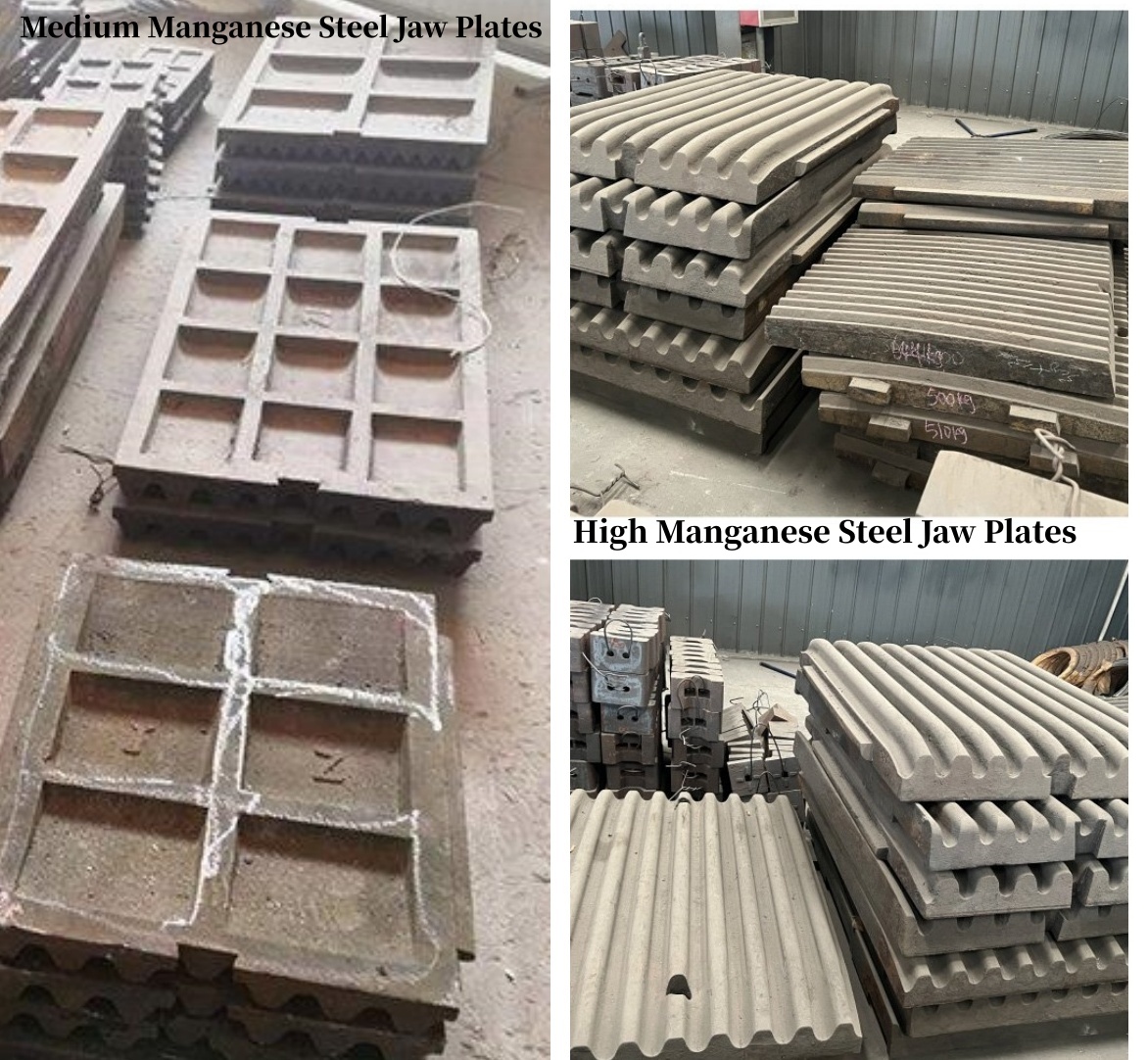
(1) High manganese steel jaw plates
It has strong wear resistance, and its hardness can be further improved after processing. High manganese steel jaw plates are suitable for crushing high-impact materials such as granite and basalt.
(2) Medium manganese steel jaw plates
It has stable hardening properties and low wear. Medium manganese steel jaw crusher plates are suitable for crushing medium to low hardness materials such as concrete and quartz.
(3) Medium-carbon low-alloy cast steel jaw plates
Its hardness and toughness are well-balanced, making it highly adaptable. Medium-carbon low-alloy cast steel jaw plates are suitable for crushing medium- to low-hardness materials such as limestone. They perform even better in small jaw crushers.
(4) High-chromium iron & high manganese steel composite jaw plates
It has extremely high hardness and wear resistance, and its service life is 3-5 times longer than that of other materials. Composite jaw plates are very suitable for crushing high-hardness materials such as iron ore. However, it lacks toughness and requires more sophisticated processing techniques.
2. Match with Your Jaw Crusher Size
The dimensions of a jaw crusher determine the size and load-bearing capacity of the jaw plates. If you are using a large jaw crusher, choose high-strength, large-sized jaw plates to withstand the impact of large pieces of material. For small jaw crushers, standard-strength jaw plates are sufficient for crushing small batches of material.
3. Consider Material Characteristics
Material hardness is a core reference for selecting jaw plates. You can first test the material hardness, then choose.
| Hardness | Recommended Material | Advantages |
| Soft Material (Hardness < 5) | High Manganese Steel | Balances cost and durability |
| Medium Hard Material (Hardness 5-8) | Medium Manganese Steel | Balances hardness & toughness, stable material |
| Hard Material (Hardness > 8) | High-Chromium Iron | Ensures crushing effect, longer plate life |
4. Distinguish Movable and Fixed Jaw Plates
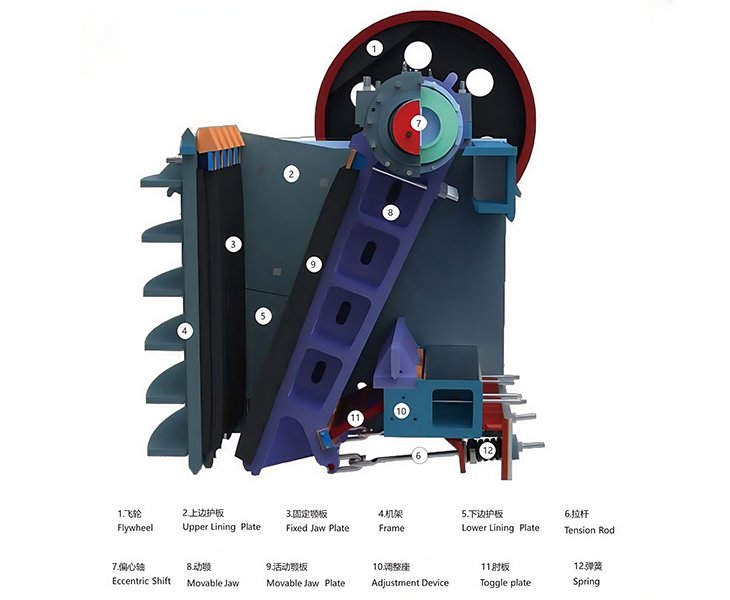
During operation, the moving jaw plate and the fixed jaw plate of a jaw crusher exhibit different wear characteristics and therefore require different treatment.
The moving jaw plate experiences frequent stress and wears quickly. It is recommended to choose a material with high toughness, such as high manganese steel. The fixed jaw plate experiences relatively stable stress. A slightly harder material, such as medium manganese steel, can be selected based on the material of the moving jaw plate.
5. Learn Tooth Profile Types:
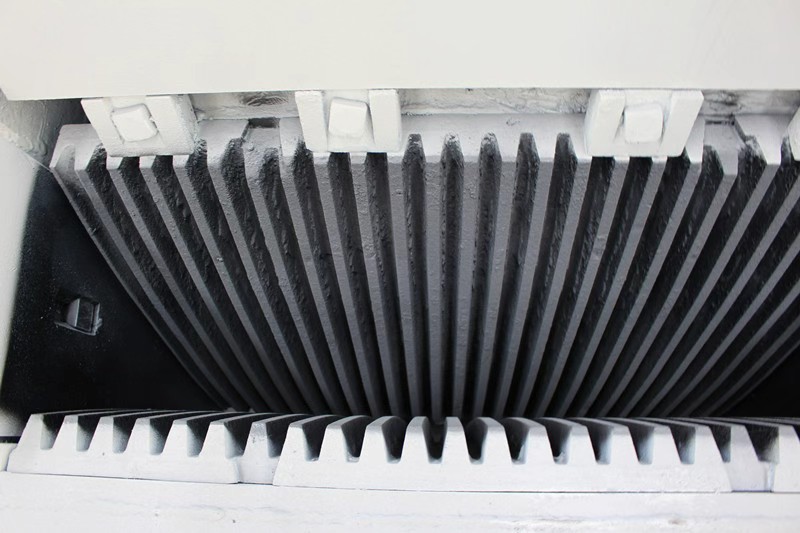
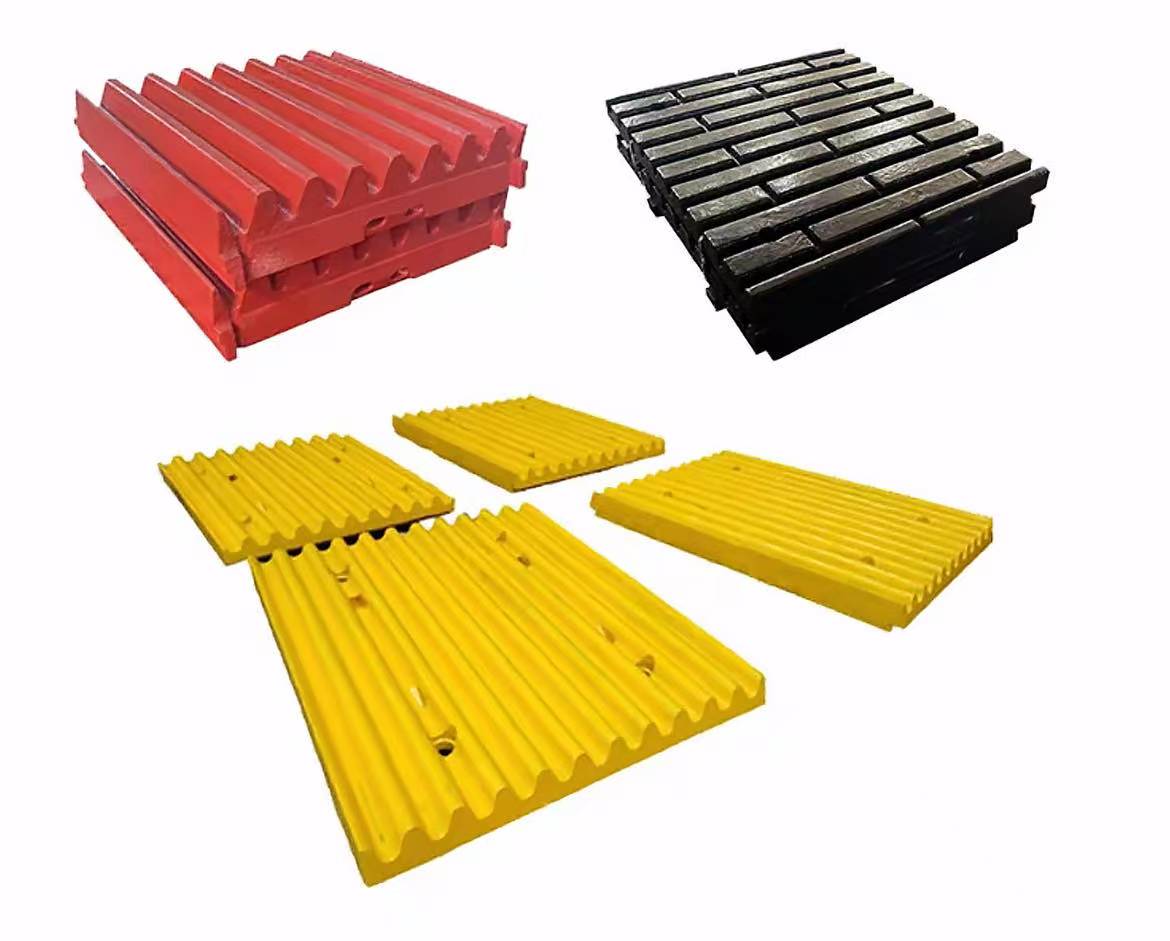
Jaw plates are the “front line” in the crushing process. Different jaw plate tooth profiles are selected based on different crushing requirements.
- Coarse-toothed jaw crusher plates: Large teeth with wide tooth spacing. They are suitable for the primary crushing stage of jaw crushers, capable of quickly gripping large pieces of material and increasing output.
- Fine-toothed jaw plates: Densely packed and short teeth. They are used for medium and fine crushing, effectively controlling the output particle size and ensuring uniform product.
- Corrugated-toothed jaw plates: Wave-shaped design, larger contact area, reducing clogging of the crushing chamber by sticky materials.
6. Consider Jaw Crusher Working Conditions
1) Large-scale mining operations (Processing capacity >1000 t/h, materials like iron ore, basalt)
Recommended configuration: High manganese steel / Medium manganese steel large-size jaw plates (Movable jaw plate: High manganese steel; Fixed jaw plate: Medium manganese steel) + Coarse-tooth design.
Advantages: Impact resistant, wear resistant, capable of handling high-intensity crushing demands, ensuring continuous operation of the production line.
2) Small construction aggregate production (Processing capacity <300 t/h, e.g., limestone, recycled concrete aggregate)
Recommended configuration: Standard high manganese steel jaw plates (Both movable and fixed plates: High manganese steel) + Fine-tooth / Wave-tooth design.
Advantages: Economical and practical, meets aggregate size requirements, and has low maintenance cost.
3) Hard and brittle material crushing(e.g., granite, pebble pre-processing for sand making)
Recommended Configuration: High-chromium iron fixed jaw plate + High manganese steel movable jaw plate + Coarse-tooth design.
Advantages: The fixed plate is wear-resistant, the movable plate is impact-resistant, balancing crushing efficiency and service life.
Sandreck provides high-quality jaw crushers and professional knowledge. If you still have questions, feel free to contact us!