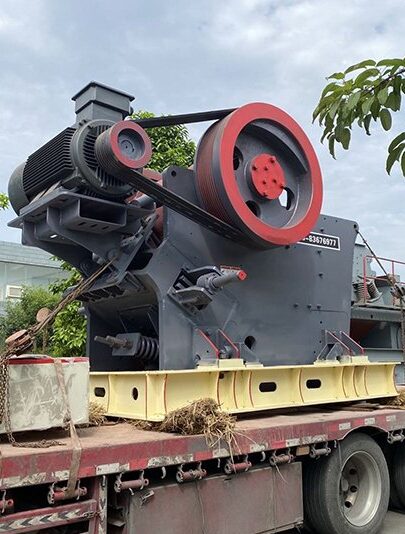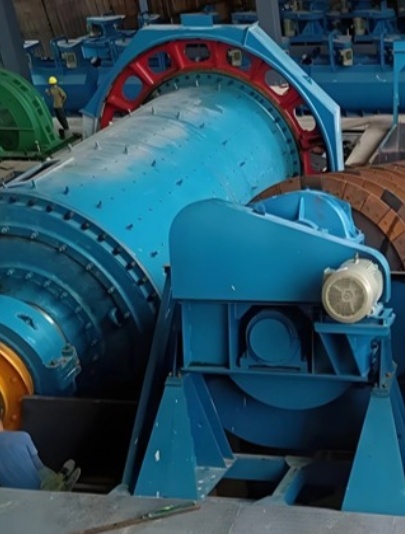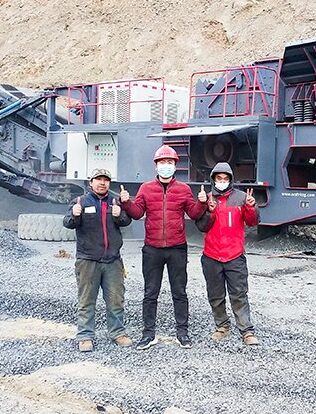

A vibrating feeder is an essential piece of equipment in bulk material handling systems. By combining mechanical vibration with gravity, it ensures a steady flow of material while preventing blockages and uneven feeding.
Selecting the right vibrating feeder for your operation requires careful consideration of several factors. This article provides a professional guide to help you choose a high-quality vibratory feeder.
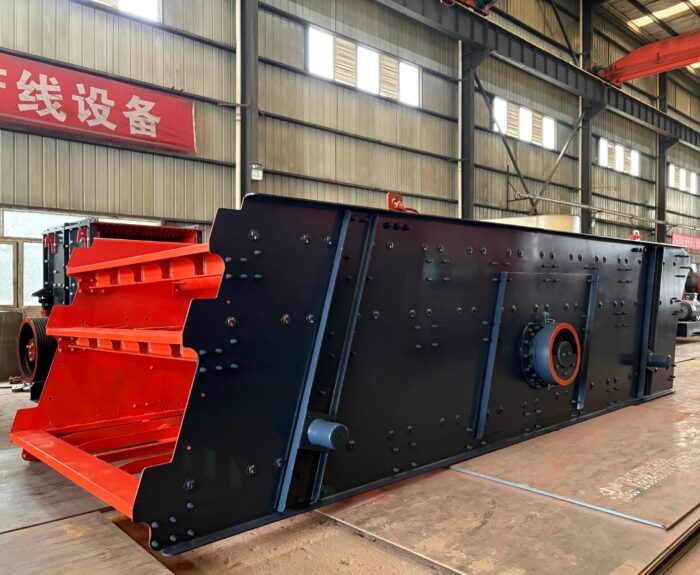
1. Clarify Material Characteristics.
First, we should know the properties of the materials to be handled, as this will determine nearly every aspect of the equipment design.
Particle Size and Shape. Fine powders, medium-sized granules, and large lumps have completely different feeding requirements. Coarse, irregularly shaped lumps require a larger trough width and stronger vibration force to prevent jamming, while fine powders need sealing measures to avoid dust leakage.
Bulk Density. Materials with high bulk density (such as ore) exert greater static pressure on the trough, requiring a more robust structure.
Special Properties. Abrasive materials (like granite or quartz) will wear the trough quickly, requiring high chromium alloy or wear-resistant steel liners.
2. Define Equipment Requirements
- Production Capacity. Ensure the required feed rate is based on the capacity of your crushing equipment (e.g., jaw crushers or cone crushers).
- Installation Conditions. Consider the available space (height, width, and length) and whether the feeder needs to be installed horizontally or at an incline.
- Power and Control. Choose between electromagnetic (for light-duty, precise control) and vibration motor-driven (for heavy-duty, high-capacity) feeders.
- Environmental Requirements. For indoor or enclosed spaces, noise reduction and dust control features are essential. Outdoor installations need weatherproof and rust-proof designs to withstand harsh conditions.
3. Focus on Operational Durability
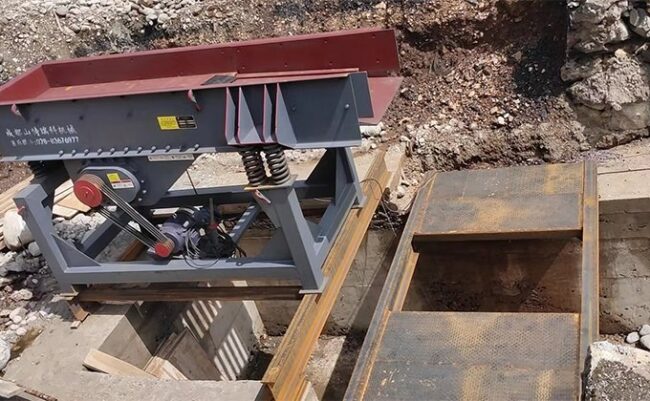
Wear-Resistant Design. The feeding trough and liners are the most vulnerable parts to wear. Look for feeders with replaceable, high-quality wear plates, such as manganese steel or polyurethane liners.
Structural Stability. The frame and isolation springs must be designed to withstand continuous vibration without fatigue failure.
4. Partner with a Reliable Supplier
Even the best-designed feeder will underperform if not properly supported by the supplier. So a trustworthy supplier should:
- Offer a proven track record in manufacturing vibrating feeders for your specific industry.
- Customize feeders based on your material characteristics, capacity needs, and installation constraints.
- Offer comprehensive solutions, including selection, installation, and after-sales service.
For example, Sandreck, a professional vibratory feeder manufacturer in China, offers a value commitment that covers the entire life of vibrating feeders, combining individual solutions, standardized production and lifelong support.
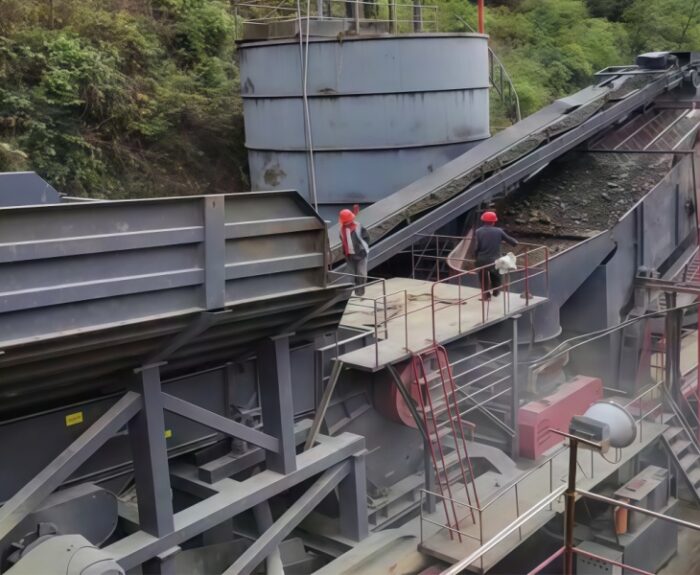
The above covers everything you need to consider before purchasing a vibration feeder. A high-quality vibrating feeder directly impacts the efficiency and reliability of the entire production line.
By partnering with a reliable Chinese vibrating feeder manufacturer like Sandreck, you can ensure your production line operates efficiently and cost-effectively. Please contact us today if you have any requirements.