
Silica sand is a critical raw material for photovoltaic glass, ordinary glass, construction fillers and the chemical industry. Wet ball milling and dry ball milling are two mainstream mineral processing methods widely adopted in silica sand plants. Many project investors struggle to select the suitable milling route for their production goals. This article lists 6 essential differences between wet and dry ball milling for silica sand processing to support your business.
1. Grinding Principle and Process Flow
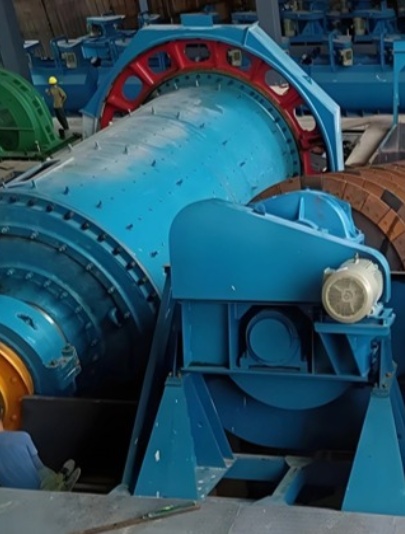
Wet ball mill: Water is added into the mill during grinding. Materials turn into a silica slurry after impact and attrition. The slurry flows out and goes to hydrocyclone classification and magnetic iron removal.
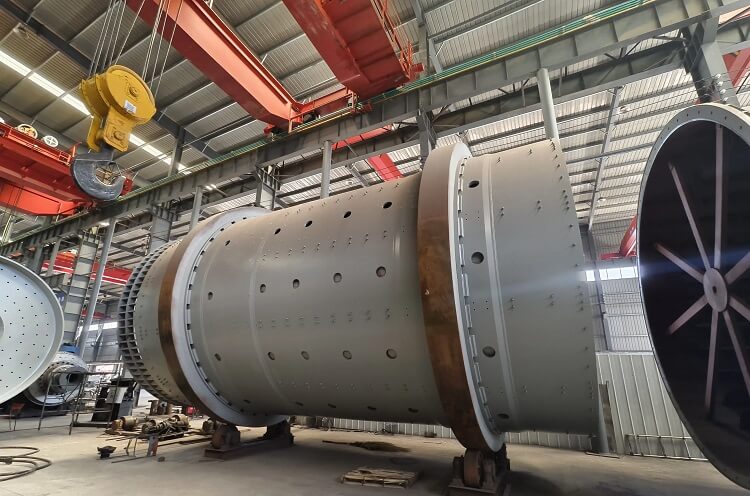
Dry ball mill: No water is involved in the whole milling process. Fine silica powder is extracted from the mill by circulating air. An air classifier separates finished fine powder from oversize material, and coarse particles circulate back for repeated grinding in a closed loop.
2. Finished Product Quality
Wet ball milling:
Delivers excellent iron removal performance, higher purity and a narrower, more stable particle size distribution.
Preferred process for high-end silica sand, including photovoltaic quartz sand and glass-grade silica sand, which have strict limits on iron content and impurities.
Dry ball milling:
Limited iron removal capacity.
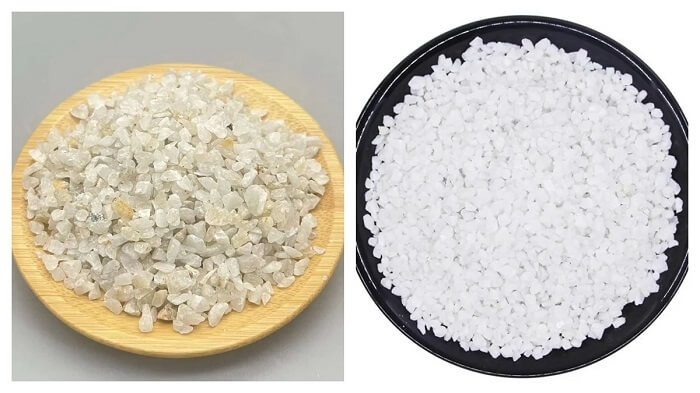
It produces dry quartz powder. This route fits low- and medium-grade products such as construction quartz powder, flooring aggregate and general industrial fillers.
3. Milling Efficiency and Power Consumption
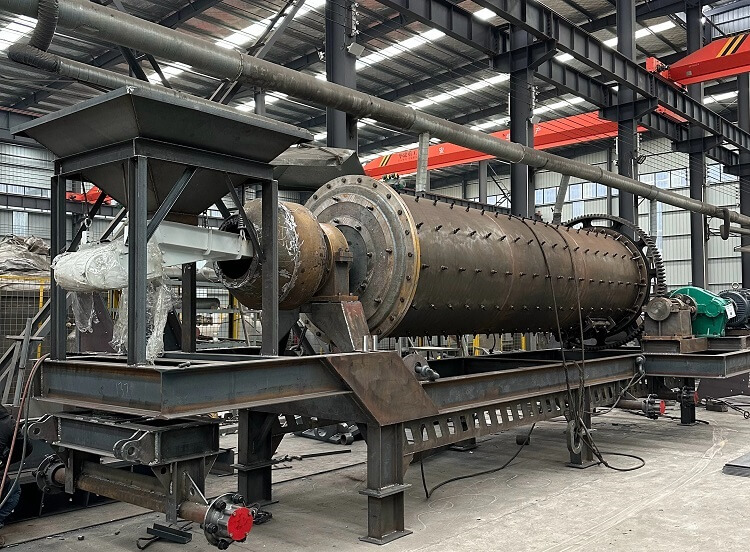
In wet ball milling, water coats mineral particles and prevents fine powder from agglomerating. Particles disperse evenly inside the cylinder, supporting sufficient grinding contact. Therefore, it delivers higher grinding efficiency, with typical power consumption of 18–25 kWh per ton of finished silica sand.
In dry ball milling, ultrafine silica particles easily clump and stick to steel balls and mill liners. The adhered powder layer weakens impact and grinding force. Effective milling capacity declines noticeably, leading to higher specific power consumption, normally ranging from 28–38 kWh per ton of product.
4. Supporting Equipment Configuration
Wet milling circuit: Slurry pump, hydrocyclone, magnetic separator, thickener, filter press for dewatering.
Dry milling circuit: Air classifier, baghouse dust collector, induced draft fan, air sealing units for feeding and discharging.
5. Dust, Water Consumption and Environmental Impact
Wet ball milling produces almost no dust, which brings a better on-site working environment. However, it consumes a large amount of process water, so a complete tailings water treatment and recycling system is necessary.
Dry ball milling consumes zero water. Its biggest environmental challenge is dust emission. A fully closed dust collection system is mandatory to meet emission standards, while no wastewater treatment is needed.
6. Site Requirements & Long-run Operating Cost
Wet ball milling works best at plants with sufficient and stable water supply.
Its continuous operating costs mainly come from slurry dewatering and tailwater treatment, adding an extra $1.2–2.5 per ton for water processing and filter press operation. Even though wet grinding cuts grinding power consumption by 15%–30% versus dry milling, these auxiliary water-treatment fees will erode part of the electricity savings.
Dry ball milling is the ideal option for arid, water-shortage regions.
Since the final product is dry powder, it skips all dewatering procedures and simplifies downstream production links. It has no tailwater treatment expense, yet it spends an extra $0.8–1.8 per ton on dust collection, air classification and higher liner/ball wear consumption. For sites with scarce water resources, dry milling often delivers a lower total long-term cost.
Conclusion
Choose wet ball milling if you manufacture high-purity photovoltaic or glass silica sand and have stable water access. Dry ball milling is better for construction filler production when water is scarce.
Every silica sand project has unique demands. If you are looking for a tailored silica sand processing and grinding plan, the expert team at Sandreck can provide professional assessments and customized solutions.