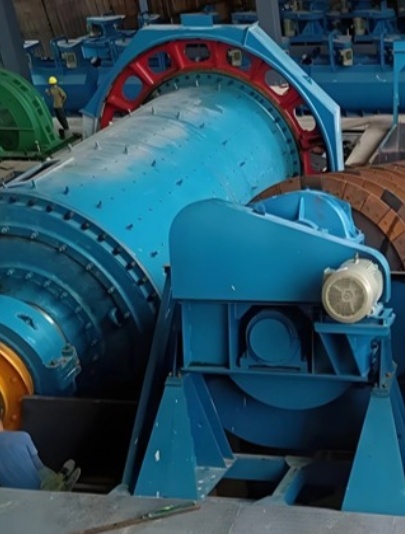

As the core fine-grinding equipment, ball mills grind ore into fine particles, liberating target minerals to facilitate subsequent separation processes such as flotation and magnetic separation. This article will cover its structure and working principle to illustrate its operation in mineral processing.
1. Basic Structure of Mining Ball Mills
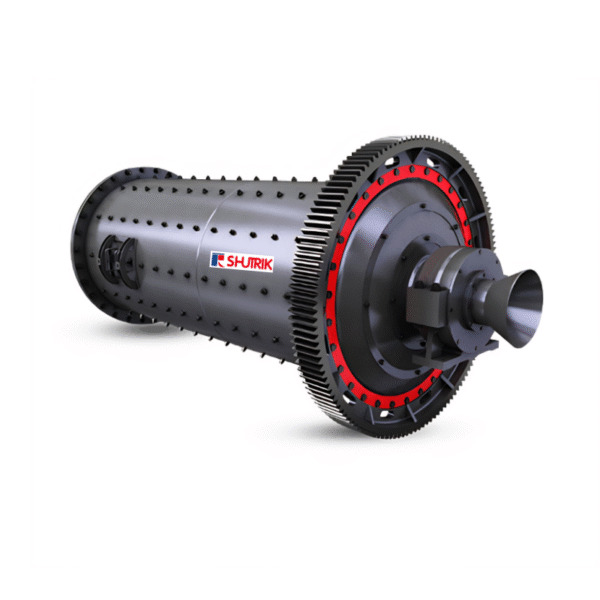
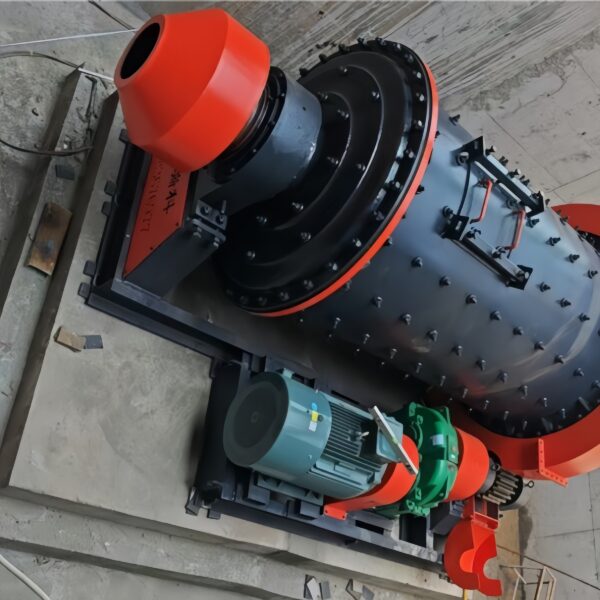
Every standard horizontal ball mill consists of five core assemblies, each with unique functions for stable grinding:
1.1 Cylinder & liner plates
The cylinder is the main shell for ore and steel balls. Its inner wall is lined with wear-resistant liners made of high-manganese steel or rubber. Liners protect the cylinder from impact and friction and lift steel balls to form an effective grinding motion.
1.2 Grinding media (steel balls & steel cylinders)
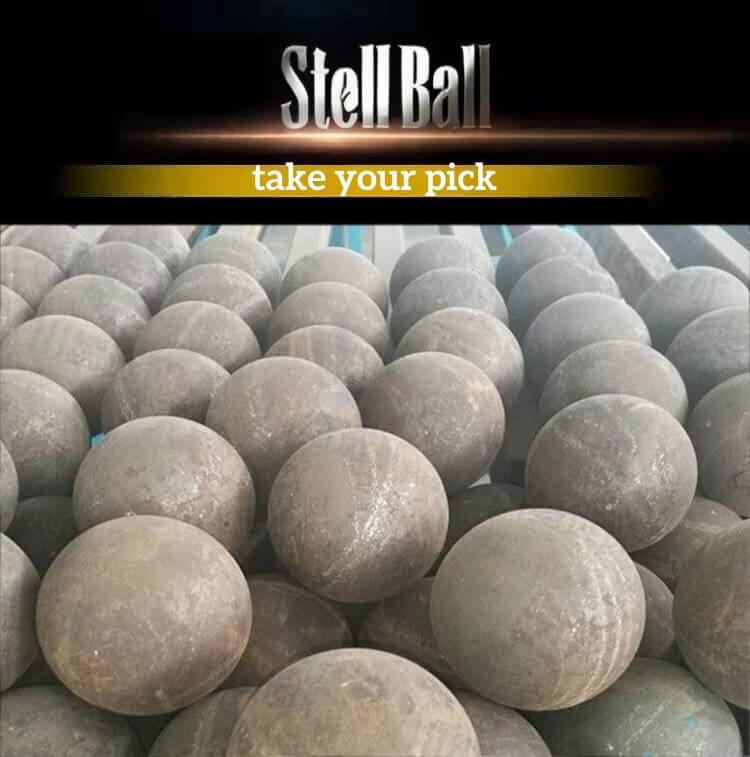
Carbon steel or alloy steel balls of different diameters are loaded inside the cylinder. Large balls deliver impact force for coarse ore, while small balls provide friction for fine grinding. The filling ratio and size gradation directly determine grinding efficiency.
1.3 Transmission system
It includes drive motors, reducers, and gear sets. Two mainstream transmission types are peripheral gear drive and central drive, which rotate the cylinder at a low, constant speed.
1.4 Ball mill base
The base features a welded steel structure, including mounting points for all critical components. It is equipped with adjustable bolts and anchoring holes to eliminate vibration and misalignment.
1.5 Auxiliary supporting parts
This set includes sliding bearings, automatic lubrication systems, dust-sealing structures, and manholes for regular inspection and liner replacement.
2. Core Working Principle of Ball Mills
2.1. Power transmission and startup preparation
The high-power motor drives the reducer and meshing gear assembly, transferring stable rotational torque to the mill cylinder. Pre-start lubrication systems ensure that all bearing parts are adequately greased to reduce friction, allowing the cylinder to rotate steadily at a preset operating speed (typically 65%–80% of the theoretical critical speed).
2.2 Material and media lifting motion
As the cylinder spins, inner wave-shaped or smooth liners drag loaded grinding steel balls and incoming ore particles upward along the cylinder’s inner wall. The lifting height depends on the rotational speed, liner shape and media filling rate (a typical filling volume is 30%–45% of the cylinder’s inner space).
2.3 Two core crushing mechanisms
Mechanism 1: Impact crushing from falling media
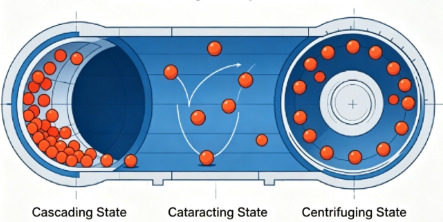
When steel balls are lifted past the repose angle, they follow parabolic trajectories and crash violently onto the coarse ore at the bottom of the cylinder. This high-impact force breaks large ore lumps into smaller fragments, handling the primary coarse-grinding task.
Mechanism 2: Attrition & shear grinding from sliding media
Balls that do not reach full falling height slide down the liner surface in cascading motion. The relative sliding friction between steel balls, ore particles and liner surfaces further grinds medium-sized fragments into fine powder, realizing mineral monomer dissociation.
2.4 Graded material discharge
In grid-type ball mills, internal grid plates block oversized particles while allowing qualified fine slurry to pass through for forced discharge. For overflow-type ball mills, slurry overflows automatically when the liquid level reaches the discharge weir, thereby controlling the final particle fineness for downstream separation processes.
And in wet grinding, water mixes with the ore to form a slurry, which flows out through the discharge port. Dry grinding is performed without water, primarily for producing non-metallic mineral powders. After grinding, valuable minerals are fully separated from useless gangue, ready for subsequent separation processes.
3. 4 Key Internal Factors that Adjust Grinding Results
- Steel ball gradation: Matching 3–4 diameter sizes (large, medium, small balls) to target different feed lump sizes. Large balls break big rocks; small balls refine fine grains.
- Ore feed rate: Too fast causes material choking and coarse discharge; too slow leads to empty ball collisions and unnecessary media wear.
- Slurry concentration: Maintained at 65%–78% solid mass fraction for wet grinding. Overly thick slurry slows particle movement; overly thin slurry reduces friction retention time.
- Liner wear degree: New liners have strong lifting capacity. Worn-flat liners cannot lift balls to the ideal height, reducing grinding efficiency by 20% or more.
Sandreck is a reputable manufacturer of ball mills in China, exporting a wide range of robust, energy-efficient, and operationally efficient ball milling equipment for cement, mining, ore processing, and other industries. Feel free to send your inquiries to us.