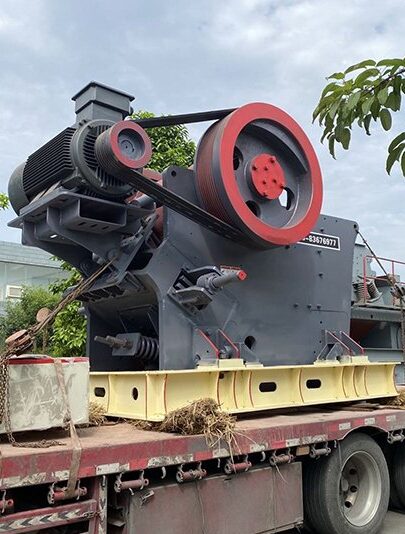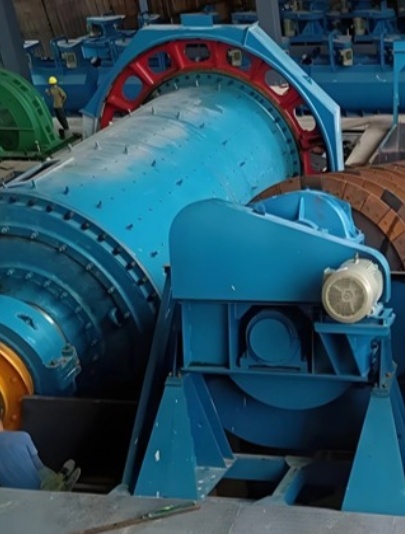

Prior to selecting a stone crusher, numerous details must be taken into consideration. These factors influence the choice of crusher model, subsequent production efficiency, and operational costs, among other aspects. Sandreck is a professional manufacturer of crushing equipment. This article outlines the key considerations to address before commencing the crushing process, providing clear guidance for your production operations.
1. Determine Material Type
Material Type: You need to identify the specific type of material found at the quarry—or the material you intend to crush—such as granite, basalt, limestone, construction waste, etc.
Material Hardness: For hard materials, select a jaw crusher or a cone crusher. For soft materials, select a hammer crusher.
Material Characteristics: Pay attention to the material’s moisture content, clay content (excessive clay can lead to equipment clogging), and compressive strength.
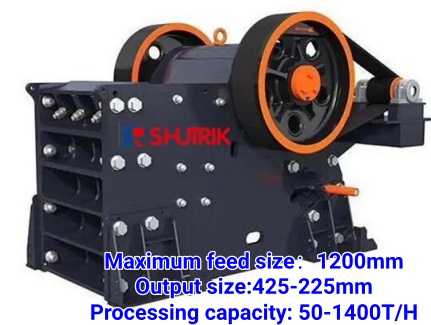
Feed Size: Determine the maximum particle size of the raw material. Determine whether a feeder or a primary crusher is required.
2. Output and Product Specifications
Production Capacity: Please clearly define your required production capacity (in tons per hour) to avoid resource waste resulting from oversized equipment selection or the inability to meet actual production demands due to undersized equipment.
Finished Product Specifications: Please confirm the required particle size range for the finished product (e.g., 5–10 mm, 10–20 mm, etc.), and specify whether sand making or particle shaping processes are required. This will determine whether sand-making machines and vibrating screens need to be included in the equipment configuration plan.
Application Fields of the Final Product: It is essential to clearly specify the intended use of the final product—for instance, for concrete mixing plants, road construction, the production of construction sand, or mining operations. This is because different application fields impose varying requirements regarding the particle size and purity of the finished product.
3. Material Pre-processing
Prior to commencing crushing operations, several simple material preparation measures can be implemented to enhance crushing efficiency while simultaneously safeguarding the equipment.
First, raw stone, soil-laden materials, and construction waste should be sorted and segregated to prevent material contamination from negatively impacting production output.
Screening equipment should be utilized to pre-remove foreign objects—such as metal, wood, and plastics—from the material stream, thereby preventing damage to the crusher’s hammerheads and avoiding equipment blockages.
Oversized material blocks should undergo pre-crushing to ensure that the feed size complies with the specific processing requirements of the equipment.
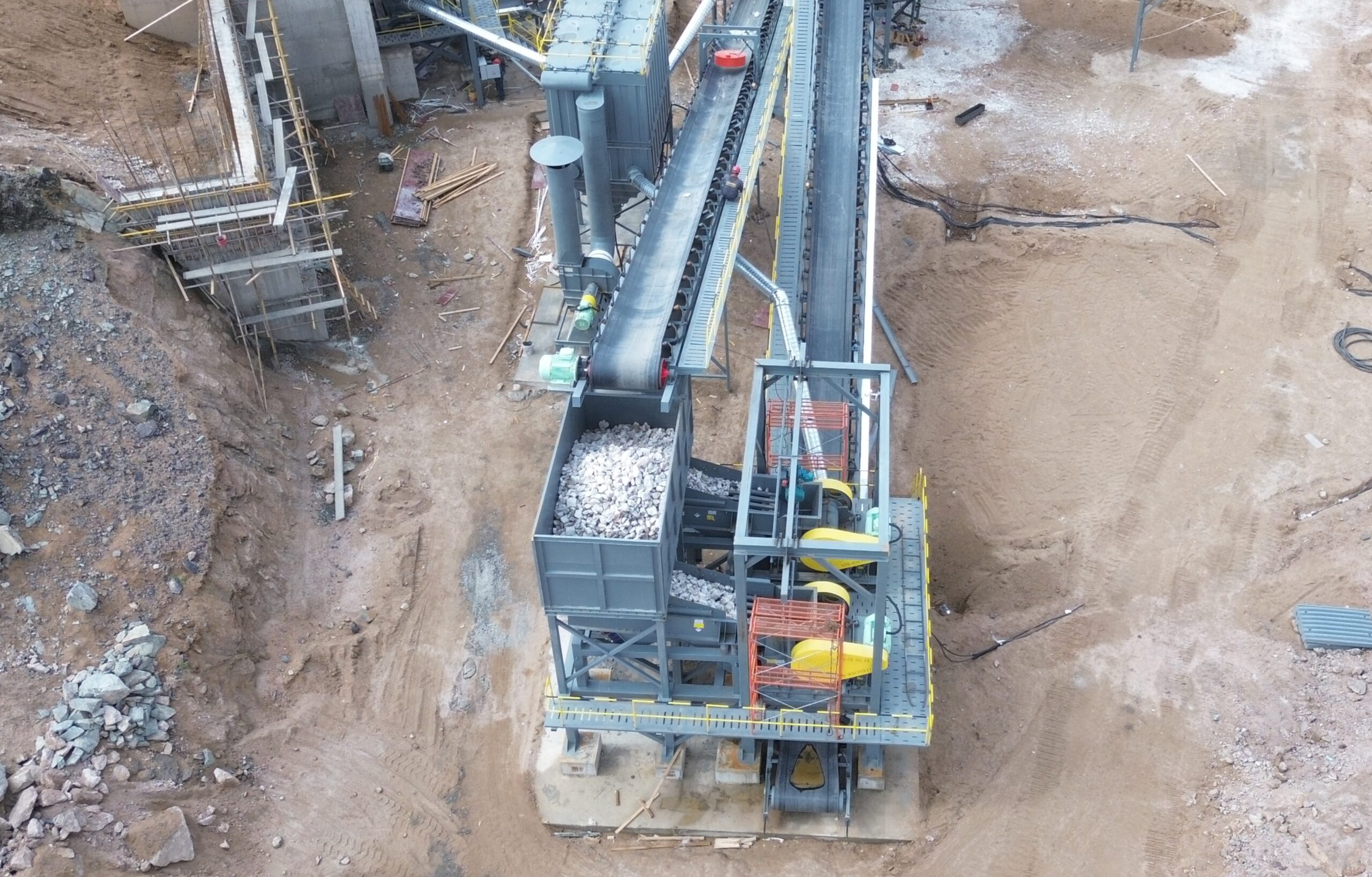
4. Site and Foundation Preparation
The overall process workflow requires meticulous planning, clearly defining the specific locations and gradients for material stockpiles, feeders, primary crushers, conveyor belts, and finished product storage areas to ensure a smooth flow of materials. This approach also serves to minimize material accumulation and transportation losses.
Furthermore, the foundations supporting heavy machinery—such as feeders, primary crushers, and belt conveyors—must be robust and stable. Where necessary, concrete foundations should be poured to ensure that equipment remains free from vibration or displacement during operation, thereby eliminating the risk of equipment damage or safety hazards caused by foundation instability.
Concurrently, the site layout should allocate ample space for equipment inspection, vehicle maneuvering, and unloading operations. This facilitates efficient equipment maintenance and raw material transport, while also ensuring a seamless transition to subsequent processing stages.
After reading this article, please feel free to contact us directly. Sandreck is a professional rock crusher supplier. Simply provide us with details regarding your material type, production capacity requirements, and site dimensions, and our technical experts will develop a customized equipment selection plan for you—completely free of charge. We will also provide guidance throughout the entire process to help you avoid common pitfalls.