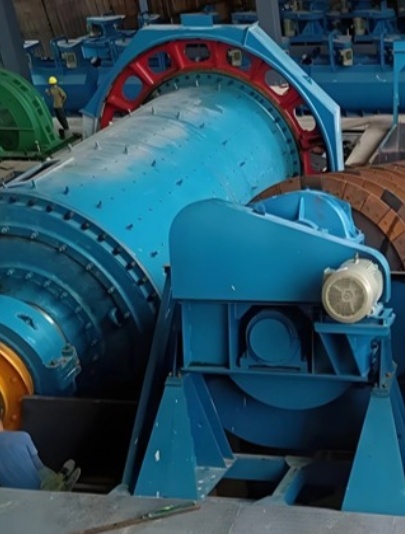

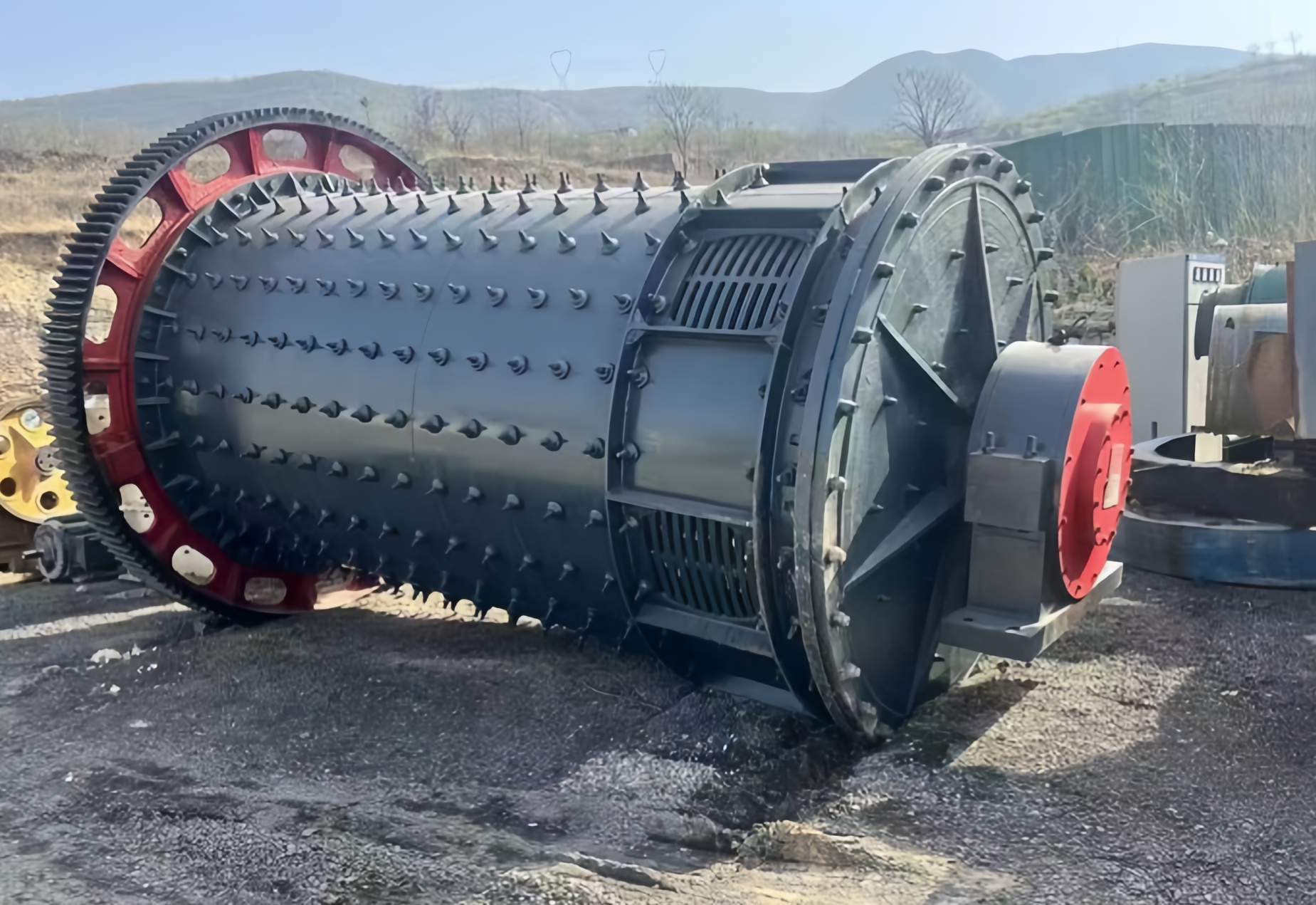
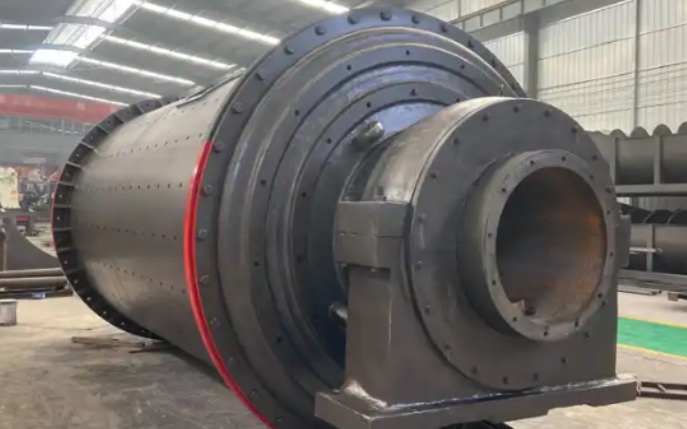
Ball mills are core equipment for material crushing and mixing in numerous industries such as mineral processing, ceramics, chemicals, and new materials. The grinding media is the truly key factor determining the grinding efficiency, product quality, and operating costs of a ball mill.
This article by Sandreck will discuss how to select the right grinding media for your ball mill—that is, the key factors influencing the choice of ball mill media. Hopefully, this will help you better select the appropriate grinding media for your production needs when choosing a ball mill.
The Importance of Grinding Media in Ball Mills
Grinding media in ball mill processes serve two core functions: impact crushing and grinding. The selection of grinding media directly affects:
- The grinding efficiency of the ball mill. This influences the time and energy consumption required to achieve the target fineness.
- Product quality. Media wear can contaminate the product, affecting its purity, whiteness, or chemical properties.
- Operating costs. These include media wear, power consumption, and equipment maintenance.
Therefore, selecting grinding media is not as simple as “buying steel balls.” It requires making technical decisions that balance material characteristics, process objectives, and cost-effectiveness.
How to Choose Grinding Media for Grinding Balls
1. Understand the Material Properties and Physical Specifications of Grinding Media
(1) Material Properties
① Density—High-density media (such as steel balls) have a strong impact force and are suitable for coarse grinding and hard materials.
② Hardness—The higher the hardness of the media, the less wear and the longer the service life.
③ Wear Resistance—Media that wear out quickly not only easily contaminate the product, but also have a relatively high replacement cost.
④ Chemical Composition—The chemical composition of the media should, as far as possible, avoid reacting with the material.
(2) Physical Specifications
① Size—Larger-sized media (e.g., diameter greater than 60 mm) have greater impact force. Therefore, they are suitable for crushing and breaking coarse particles. Small balls (approximately 10 to 20 mm in diameter) have more contact points and are more suitable for fine grinding.
② Shape—Usually spherical or rod-shaped.
2. Understanding the Performance Characteristics of Grinding Media
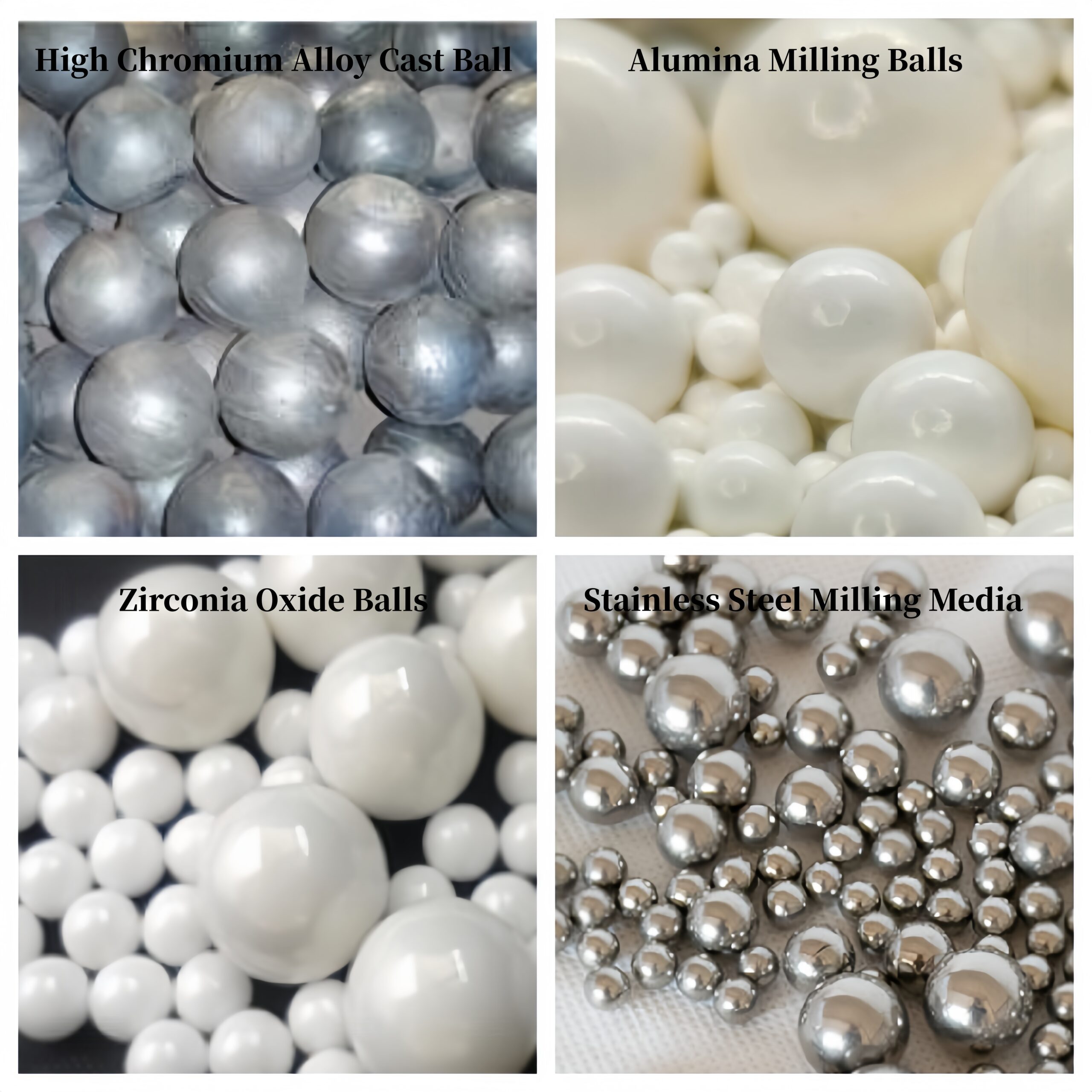
| Material Type | Core Characteristics | Weaknesses | Typical uses |
| High Chromium Alloy Cast Ball | Impact resistant, extremely good wear properties and cost effective. | Possible contamination with iron. | Coarse and fine grinding of metal mines and grinding of cement clinker |
| Alumina Milling Balls | Completely metal free, corrosion resistant and very hard. | Somewhat brittle. | Wet Grinding of Ceramic Glaze, Non-metallics Minerals and Electronic Materials |
| Zirconia Oxide Balls | Heavy density (in other words approach that of a steel ball), very nice anti wear properties, zero pollution. | The price is very high.
| The ultrafine wet grinding of lithium battery materials, the high-end of territory pigments and pharmaceuticals. |
| Stainless Steel Milling Media | Exquisite corruption resistance effect, really sanitary safe. | Ability to resist wear is fair and costliness. | Food, medicine, & Chemical corruption protection. |
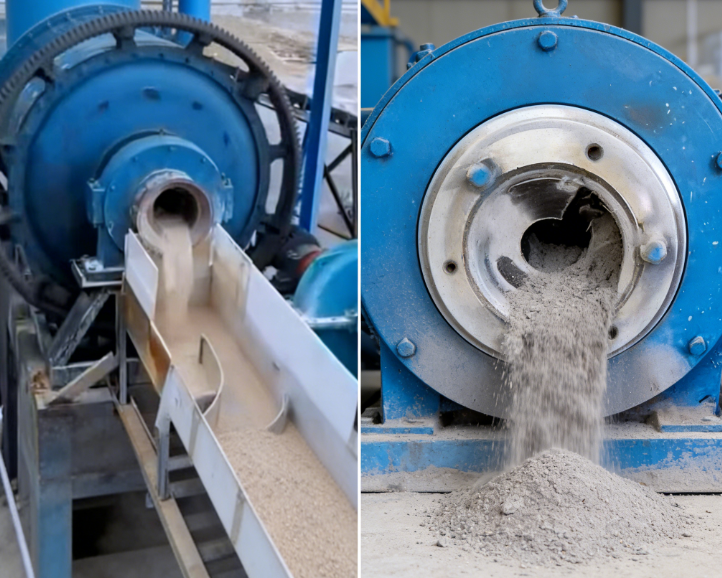
3. Clarify the Grinding Fineness
Grinding fineness is closely related to the size of the grinding media. The golden rule: “Use large balls for coarse grinding, and small balls for fine grinding.”
| Process stage | Target product: | Recommended range of medium sizes | Primary function |
| Crush / First-stage Mill | > 0.5 mm | Φ50 – 100 mm | Impact grinding |
| Fine grinding / Second-stage grinding | 0.074 – 0.5 mm | Φ20 – 40 mm | Impact and grinding combined |
| Ultrafine grinding | < 0.074 mm | Φ3 – 15 mm | grinding and removing the material. |
4. Identify the Process Type
(1) Wet Grinding
Wet grinding in ball mills is generally more efficient and has better heat dissipation. The media density must be greater than the slurry density; otherwise, effective settling and grinding cannot occur.
(2) Dry Grinding
Dry grinding in ball mills is characterized by difficult heat dissipation and a tendency for materials to “grind” or adhere. Due to the greater friction between the media and the material, and between the media and the liner, slower-wearing media are required in dry grinding.
5. Clear Grading and Filling
To maximize the performance of the ball mill, a scientific combination is necessary.
(1) Optimize the Grading of Grinding Media
Large balls crush larger particles, medium balls act as bridges, and small balls fill the gaps. If there are too many gaps between the balls, small particles will not be fully ground. The initial gradation can be based on a volume ratio of large balls: medium balls: small balls = 4:3:3 or 3:4:3.
(2) Optimal Filling Range for the Ball Mill (25%-45%)
- Listen to the sound. If the sound is hollow, the filling may be insufficient; if the sound is dull, the filling may be excessive.
- Material Inspection. Regularly stop the machine for inspection. Overfilling will cause material to accumulate at the discharge end.
Choosing the right grinding media for your ball mill is key to fully understanding your material and process, and scientifically matching the grinding media according to material type and specifications.
We hope this article has been helpful. Sandreck is here to assist you with any questions. Please contact our sales staff for a customized grinding media selection solution for your ball mill.