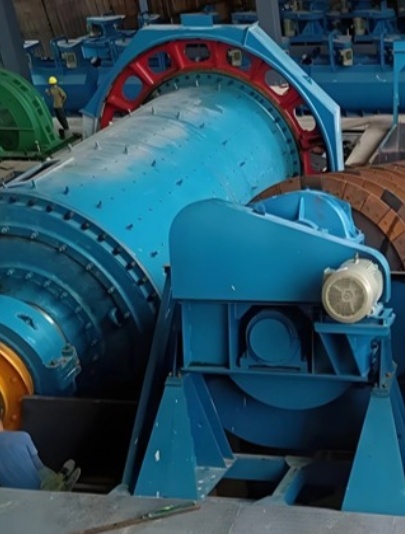

Ball mills are essential grinding equipment in mineral processing. This article will discuss 5 common ball mill malfunctions and how to quickly troubleshoot them.
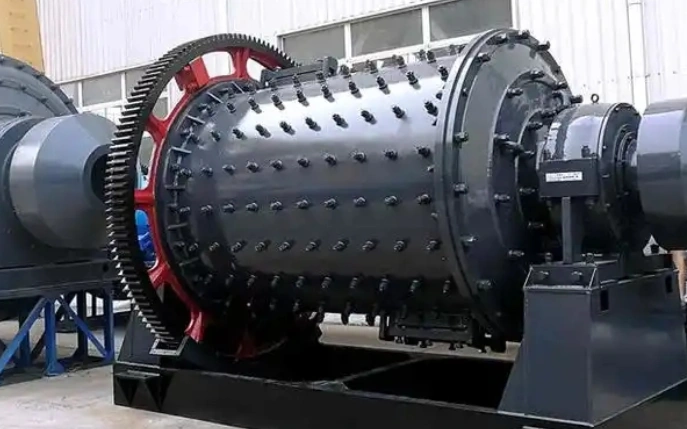
Fault 1 – Vibration and Noise
Symptom: Barricade and society noise can be heard while running, which continually increases.
Cause:
- Within the ball mill, the liner or balls have worn away so much that it is now impossible to exert any crushing effect between the liner/balls and the cylinder wall.
- Insufficient bolt interference in some key components makes them prone to slipping outwards. This causes noise when the component rotates.
- The proper clearance of the pinion and girth gear is not maintained, and consequently, one or both of them are found to be slipping and grinding on each other.
- Some rolling elements or cages have come apart.
Solution:
- Check all the ball mill liners and steel balls and replace immediately those that are found to be above the wear limit.
- All loose bolts must be checked and likewise marked and systematically brought back to a fully tight condition.
- Reset gear mesh within specification, and apply clean lubricant to the gear surfaces.
- Renew any damage found to the bearings, preventing any further damage to the hopper or other components.
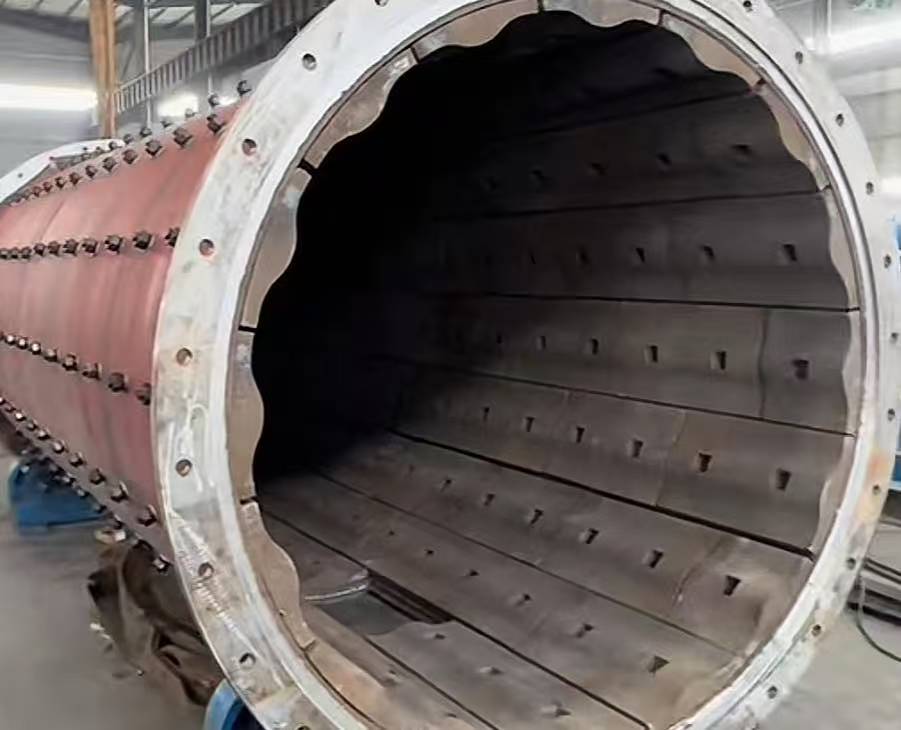
Fault 2 -Abnormal rise of temperature in Ball Mill Bearing
Symptom: If the bearing housing gets hot >70º.C, you may feel that the bearing surface is “warm”.
Causes:
- Lubricant system: Inadequate lubrication, wrong oil type, contamination (dust/moisture) can lead to greater equipment failure.
- Installation: Improperly installed ball mill bearings may cause uneven stress on the bearings, leading to frictional heat generation.
- Overload: An electric motor may become overloaded after operating under unsuitable conditions for a period of time.
Solutions:
- Check oil levels and cleanliness. Apply the proper type of grease as per the proper directions given by the manufacturer of the ball mill.
- Ensure the bearings are level and concentric with the spindle centerline. Clean the bearing housings and replace any ball mill bearings that show signs of overheating promptly.
- Avoid overload. Reduce the load on the ball mill motor, and verify operating load.
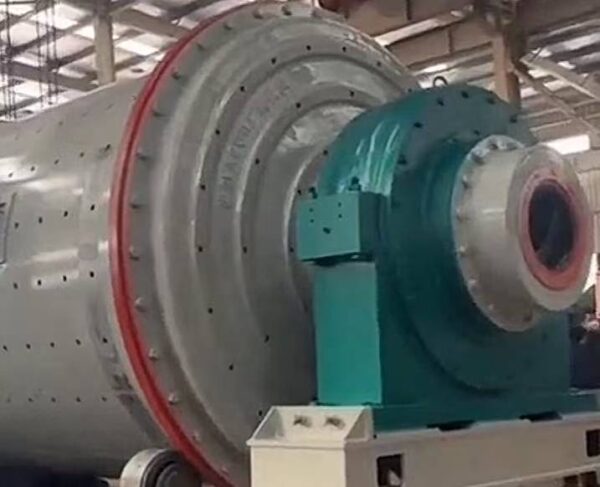
Fault 3 – Overfilled Mills or Plugged Mills
Symptom: Material cannot be discharged (very little or no discharge). The main motor ammeter reading fluctuates frequently or displays “zero”. Additionally, a dull grinding sound can be heard, but the impact sound of the steel balls is not.
Causes:
- If the feeding speed is too fast or the moisture content of the material is too high, the material will clump together, causing the material to exceed the discharge capacity of the ball mill machine.
- Insufficient grinding media or lubrication, resulting in insufficient grinding power.
Solutions:
- Reduce or stop feeding immediately.
- Reduce moisture and maintain similar-sized particles when feeding into the ball mill.
- Increase the number of steel balls and replace the worn liners to restore the ball mill to its original grinding capacity.
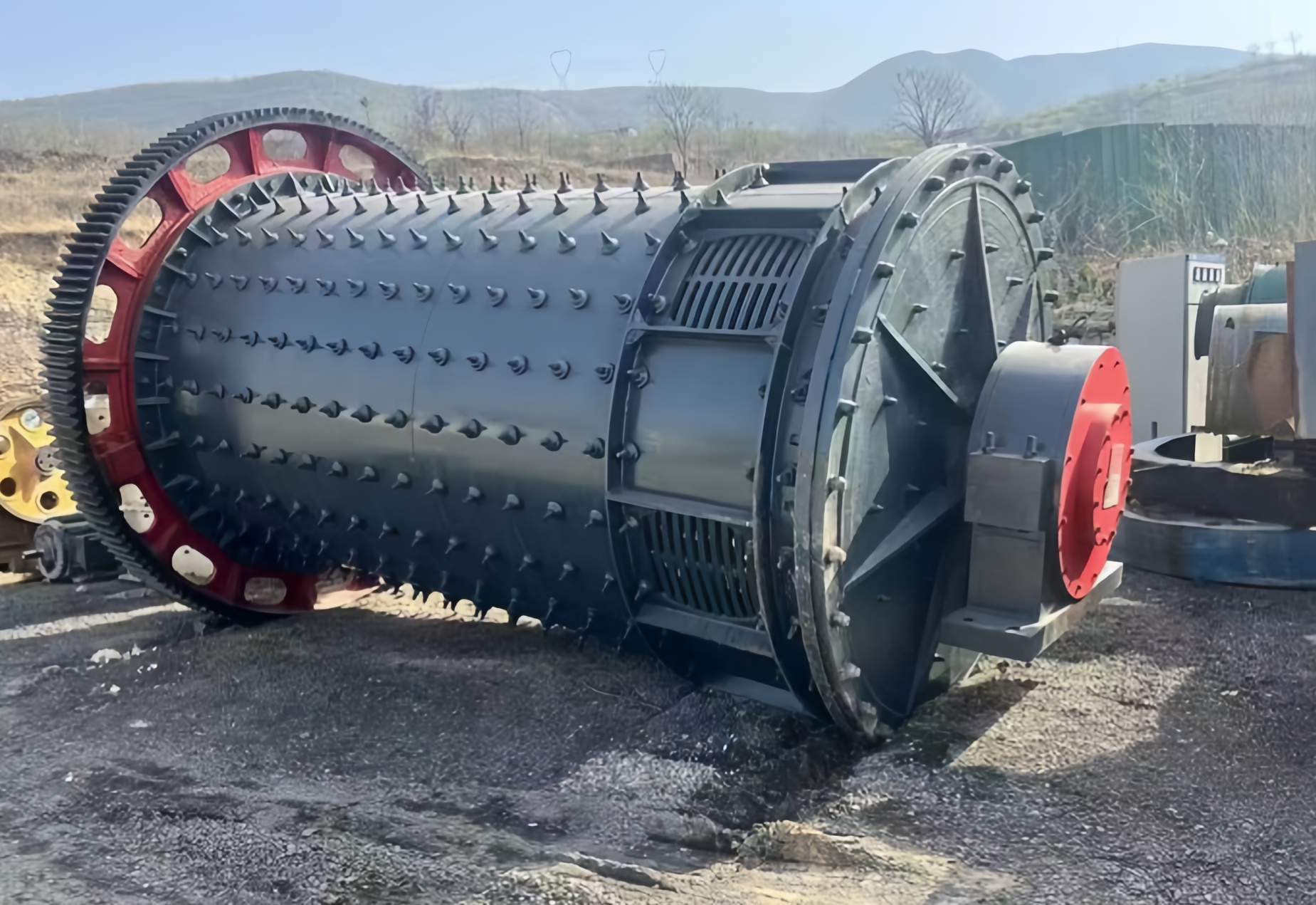
Fault 4 – Lack of Motor Rotation
Symptom: After pressing the “Start” button, the ball mill motor fails to rotate or stops rotating after a few seconds. The circuit cabinet displays a “high level” status, and the thermal relay trips.
Causes:
- One phase of the three-phase power supply to the motor is de-energized. The voltage is too low. The control circuit is open, or the contactor is faulty.
- In addition to the reasons mentioned above, the motor itself may be faulty, or the insulation may have aged and failed.
Solutions:
- First, check if the motor is powered on (i.e., through the circuit breaker), if the contactor is working properly, and if the thermal relay has tripped.
- Inspect Motor: Use a megger tester for testing insulation and windings. If the motor is faulty, please arrange for qualified personnel to repair it.
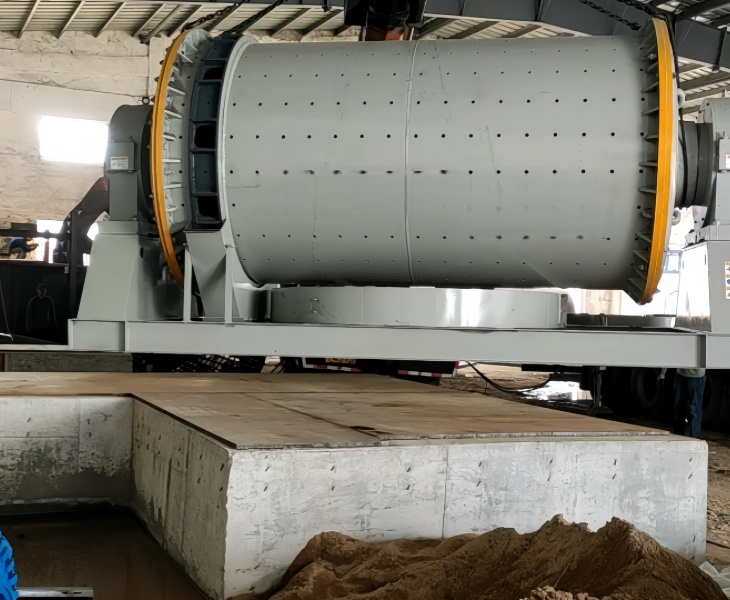
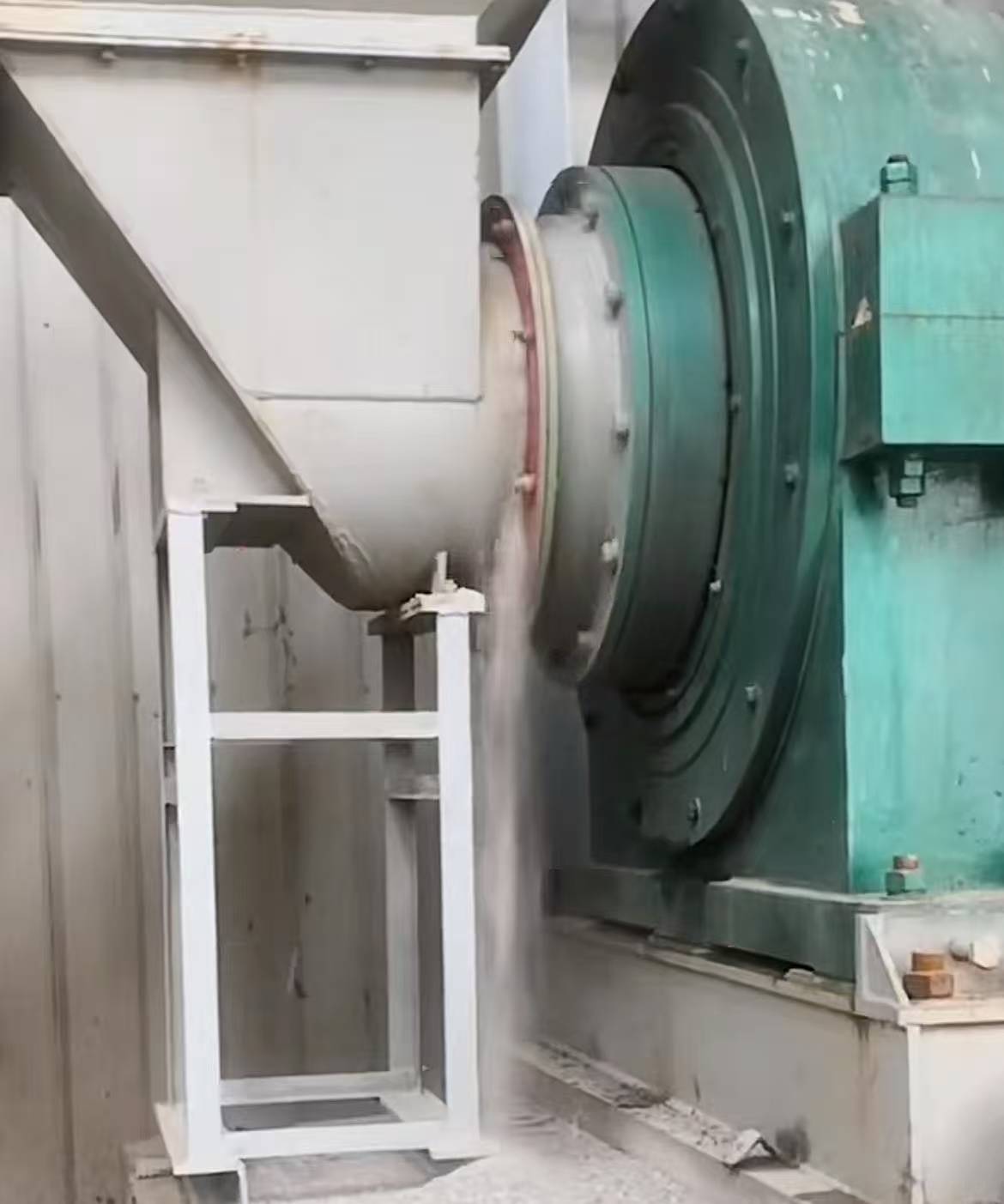
Fault 5 – Slurry Leakage from the Discharge/Feed End
A malfunction occurs when slurry leaks from the ball mill’s inlet or outlet, or between the hollow shaft and end cover. Leaking slurry not only wastes material but also pollutes the environment.
Causes:
- Long-term use, aging, or corrosion damage to the seals can cause them to lose their elasticity and become unable to form a seal with the inner surface of the hollow shaft.
- The bolts securing the end cap or sealing gland to the hollow shaft may not have been tightened correctly. This can result in insufficient sealing pressure.
- The concentration and viscosity of the slurry added to the grinding chamber may reach levels that the ball mill cannot handle. If the internal pressure is too high, the slurry may leak from the seals.
Solutions:
- Replace all ball mill sealing components. Use new, high-quality sealing components specifically designed for wear and corrosion resistance.
- All bolts should be tightened evenly. Check that all bolts are tightened to ensure that the hollow shaft sealing surface is subjected to the same pressure.
- Process parameters should be adjusted to ensure that the concentration and/or viscosity of the feed slurry are appropriate, thereby providing sufficient time for the mill to process the feed slurry.
As a Chinese company with over 20 years of professional experience in the mining industry, we not only provide reliable and stable ball mills and related components, but also have accumulated rich experience in handling various harsh operating conditions. Sandreck is committed to becoming your most trusted partner.
If you encounter any problems in practice, or require professional technical support and equipment services, please feel free to contact us.