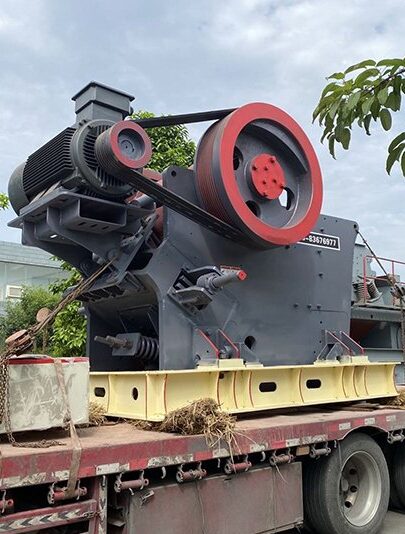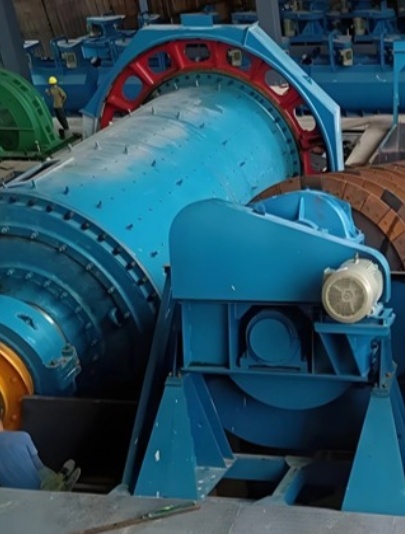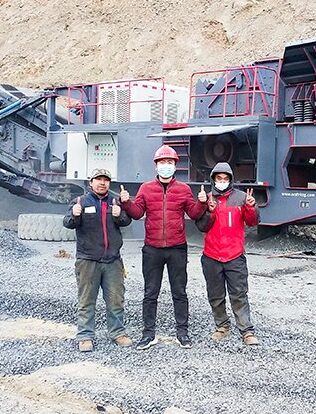

Stone crushers are commonly used crushing equipment in industries such as mining and building materials. Their efficiency plays a crucial role in both cost and output. However, problems such as clogging, excessive energy consumption, and rapid wear often severely impact the production efficiency of rock crushers. As a professional stone crusher manufacturer, Sandreck will provide 5 main methods to improve your stone crusher’s production efficiency in this article.
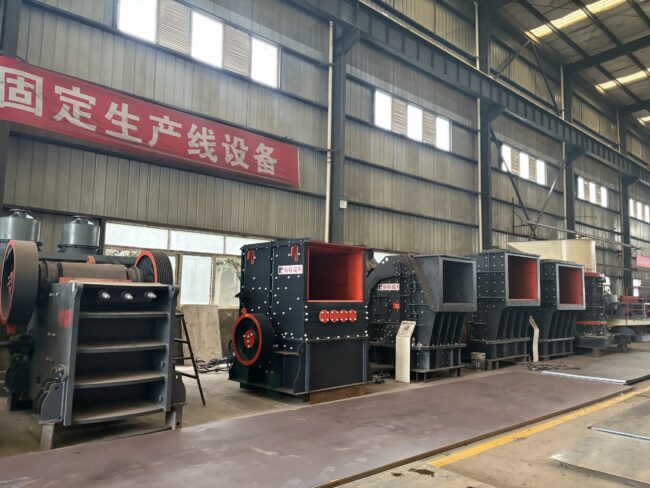
1. Optimize Feeding Conditions
Feeding is the first step in the rock crusher‘s operation. It directly affects the smoothness of subsequent processes. Often, low efficiency isn’t an equipment issue but stems from problems in the feeding stage.
1.1 Optimize the Feeding Process
Uniform and Continuous Feeding: Avoid “surge flow” feeding. It is recommended to use a vibrating feeder to ensure material enters the stone crusher’s crushing cavity steadily and continuously, preventing idling or overload.
Strictly Control Feed Size: The stone crusher’s feed inlet and crushing chamber have specific size adaptation ranges. Strictly prohibit feeding oversized material, as it can block the feed inlet and damage hammers and liners.
Our recommendation:
- Add Pre-Screening: Install screening equipment before feeding to pre-remove oversized material.
- Control the Upper Limit: Ensure the maximum feed size does not exceed 80% of the crushing equipment’s feed inlet size.
- Ensure Uniformity: Keep the feed particle size consistent for balanced force distribution in the rock crusher crushing chamber and improved efficiency.
1.2 Control Material Moisture
Excessively wet material tends to adhere to the inner walls of the crusher chamber, feed inlet, and discharge outlet, causing buildup and blockages that reduce speed and increase load. Excessively dry material generates excessive dust, affecting the working environment and the stone crusher equipment‘s lifespan.
Our recommendation:
- Control Moisture Content: Generally recommended between 5%-10%.
- Adapt to Material Type: Requirements can be relaxed for materials like coal and clay, but must be strict for sand and gravel.
- Handle Overly Wet Material: Pre-dry or sun-dry it to prevent sticking and blockages.
- Handle Overly Dry Material: Spray water appropriately to suppress dust.
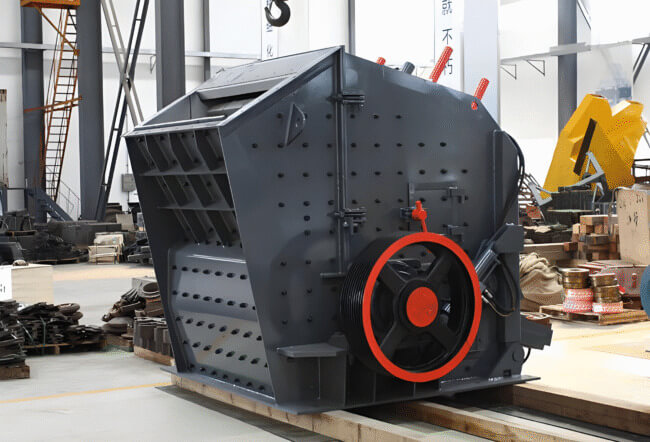
2. Perform Regular Stone Crusher Maintenance
2.1 Regularly Inspect and Replace Wear Parts
Wear and tear on core components such as hammers and liners can lead to increased crushing gaps and reduced stone crushing productivity.
Our recommendation:
- Regular Inspection: Conduct weekly checks and replace stone crusher parts exceeding wear limits (e.g., replace hammers if wear exceeds 30% of the original size).
- Spare Parts Management: Maintain a reasonable inventory to avoid unexpected downtime waiting for stone crusher parts.
- Proper Installation: After replacement, ensure stone crusher parts are securely installed to prevent loosening and subsequent failure.
2.2 Use Compatible Wear-Resistant Parts
Rock crusher wear parts directly impact efficiency and cost. Invest in materials suited to the ore characteristics to avoid the higher cost of frequent replacements due to cheap crusher parts.
Our recommendation:
- Hard Abrasive Ores: Stone crusher parts use Manganese Steel, which work-hardens under impact.
- Medium Abrasive Ores: Rock crusher parts use high-chromium Steel, offering better corrosion resistance and energy efficiency.
- Complex Conditions: Stone crusher parts recommend composite materials for a balance of hardness and toughness.
2.3 Prompt Lubrication of the Transmission System
The transmission system serves as the “power hub” of crushing equipment. Inadequate lubrication leads to Rock Crusher’s increased friction and higher energy usage.
Our recommendation:
- Follow the crusher manufacturer’s instructions and check the oil level and cleanliness weekly.
- Replace oil every month or at least every two weeks in heavy-duty situations.
- Frequently clean the lubrication system to avoid blockages caused by contaminants.
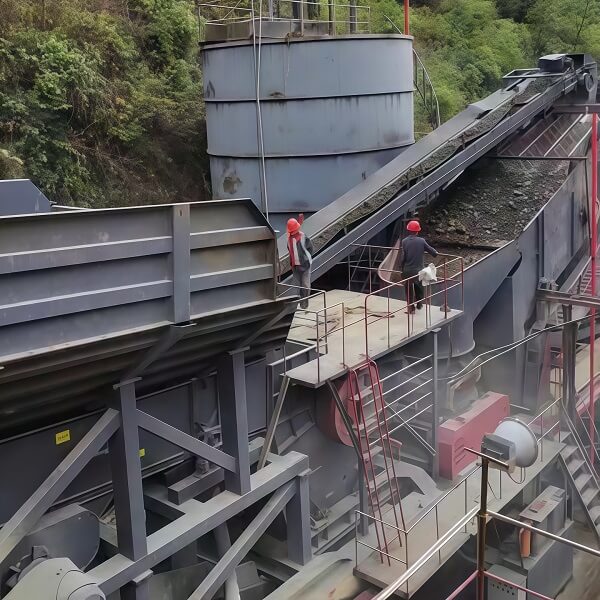
3. Adjust Operational Parameters Reasonably
The crusher needs to adjust different parameter settings according to the hardness, toughness and particle size of the material being crushed to obtain the best crushing effect.
3.1 Dynamically Adjust the Discharge Gap
The stone crusher discharge gap size directly determines final product size and capacity. A larger gap increases capacity but yields coarser product. A smaller gap gives finer product but reduces capacity and increases energy consumption.
Our recommendation:
- Adjust as Needed: Increase the gap for coarse aggregate; decrease it for fine aggregate.
- Verify Results: After adjustment, conduct a 10-15 minute test run and sample check the product size.
- Prevent Overload: When reducing the gap, simultaneously control feed size and speed to prevent overload.
3.2 Optimize Crusher Speed
The speed of a stone crusher machine affects impact force. High speed increases efficiency but also wear and energy use.Low speed leads to insufficient impact and poor crushing.
Our recommendation:
- Reference Baseline Speeds: Jaw crushers typically operate at 200-300 rpm; impact crushers operate at 800-1200 rpm.
- Adjust Based on Material: For hard materials, increase the rotation speed; for soft materials, decrease the rotation speed.
- Monitor Load: Use motor current as an indicator; if the current remains high, reduce the speed.
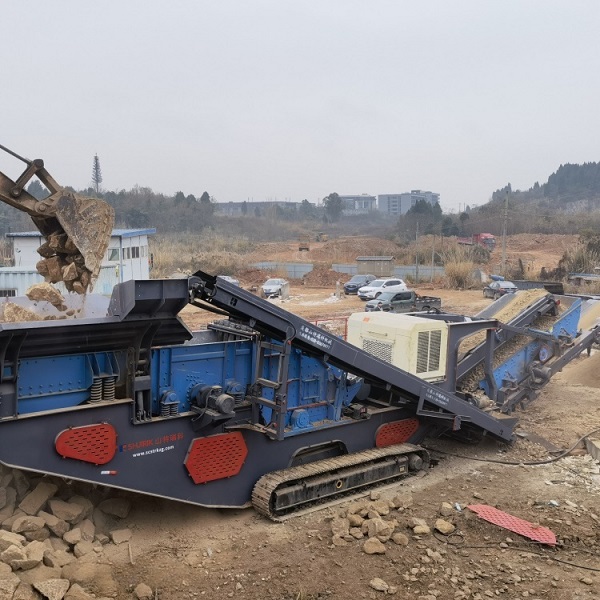
4. Improve Working Environment and Optimize Process
The working environment and supporting equipment also significantly impact the rock crusher’s efficiency.
4.1 Ensure Standardized Installation to Reduce Vibration
Incorrect leveling or loose fastening can cause strong vibrations during operation. This can affect accuracy, accelerate wear, and may even cause the crushing equipment to shift.
Our recommendation:
- Anchor the stone crusher machine on a solid foundation, ensuring levelness error ≤0.5mm/m.
- Regularly tighten anchor bolts and add damping pads between the equipment and foundation.
4.2 Optimize Process Flow Design
Apply “More Crushing, Less Grinding”. Reduce material size as much as possible in the crushing stage to lessen the load on downstream mills, significantly lowering the rock crusher’s overall energy cost.
Our recommendation:
- Set Reasonable Crushing Stages: Use multi-stage combinations for high-hardness materials.
- Pre-Screening: Remove already qualified fine material before crushing to avoid re-crushing.
- Checking Screening (Closed-Circuit): Screen crushed product and return oversized material for re-crushing, ensuring final product quality and increasing system throughput.
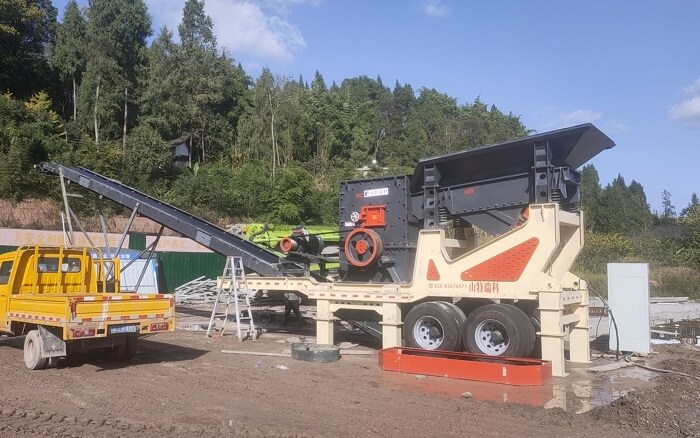
5. Raise the Skill Levels of Employees
Operators are a crucial element in the efficient and safe operation of Stone Crushers.
5.1 Carry out Structured Instruction Programs
Most operational errors are due to operators’ lack of understanding of the principles of crushing equipment, its setup methods, and the characteristics of various materials.
Our recommendation:
- The structure of the stone crusher machine, the parameter settings, and safety aspects should be clearly stated.
- Practical tests after the theory should be given to ensure that the operators can adjust the settings themselves and carry out the necessary daily inspections.
5.2 Establish Standard Operating Procedures
In the absence of standardised procedures, it is likely that the operations will lead to machine failures.
Our recommendation:
- The Standard Operating Procedures should be drawn up. The methods of installation, starting, running, and shutting down the crushing plants should be laid out.
- Flow charts should be posted on the working site, and spot checks made to ascertain the operator’s compliance with standard procedure, and errors corrected.
5.3 Raise the Emergency Ability Level
Stone Crushers can have unlooked-for faults such as chokes, or abnormal noise or temperature rise. If the operators take the wrong action, the result may be a prolonged period of lost production.
Our recommendation:
- A stone crusher machine troubleshooting manual should be compiled, and operational drills should be conducted regularly.
- An effective communication mechanism must be established between operating and maintenance personnel to enable the rapid resolution of various faults.
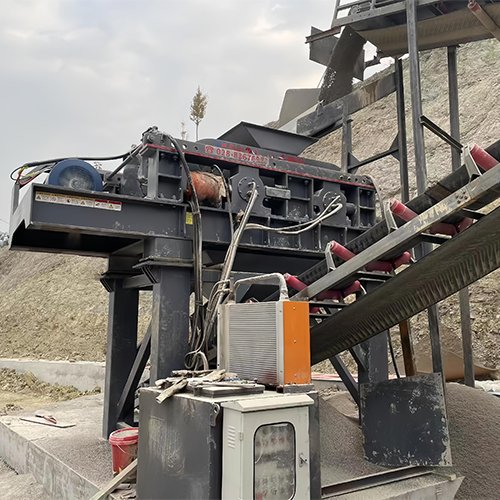
If you encounter any specific problems during operation or need a suitable aggregate production line, we are always ready to serve you. Sandreck is a professional crusher manufacturer with advanced production equipment and experienced technicians, and can provide you with complete solutions.