
With many brands and types of mobile crushers, it is by no means easy to pick out a suitable machine. The wrong choice may lead to inadequate output and high costs, and make the equipment a mass of “scrap” on your hands. You need not worry. The selection process can be systematic.
This article will serve as your selection guide. As a professional rock crusher factory in China, Sandreck provides a five-step selection method to help you select a suitable mobile crusher step by step.
Step 1: Define Your Requirements
1.1 What material will be treated?
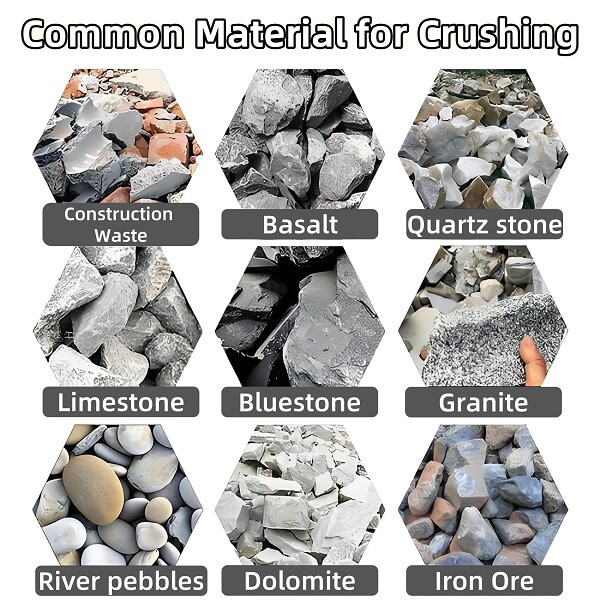
Will it be hard granite, river shingle, or a wet, sticky building refuse? It is important to get at the hardness, moisture and clay content of the material. It is these that decide what crushing principle shall be applied.
1.2What is the final product required?
What number of finished products will you want? (e.g. aggregate, chippings, stone dust). What demands are there for the size and shape of the finished product? (Materials for high-class concrete must have more rigid demands as far as cubicity is concerned).
1.3What output per hour is required?
Fix yourself a definite output target (tons/hour). This is the direct basis on which to determine the size of the equipment model.
Step 2: Assess Mobile Crusher Operating Conditions
2.1 Site and environmental limitations
Is your site a quarry or a congested urban construction site? Is it hilly? Will the equipment need to be shifted many times in the course of the day?
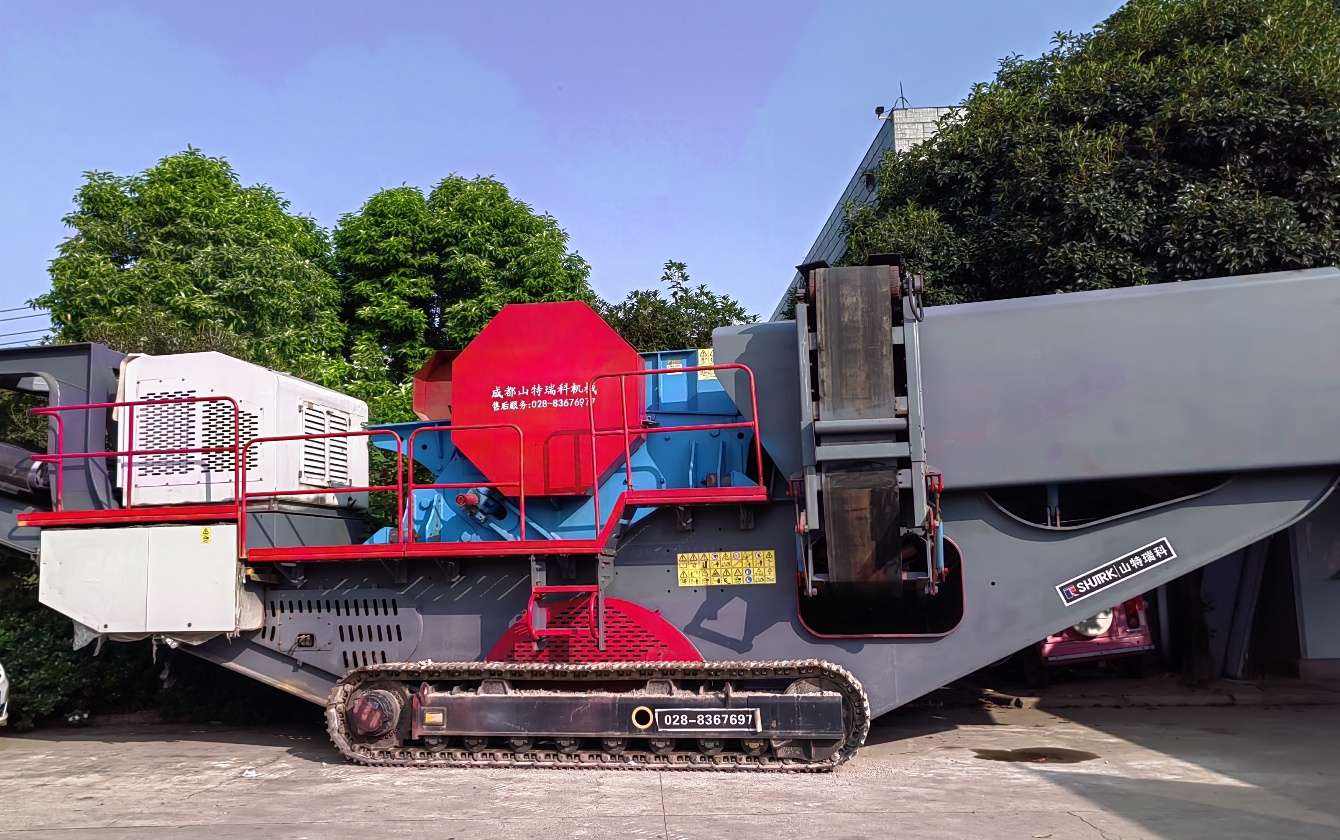
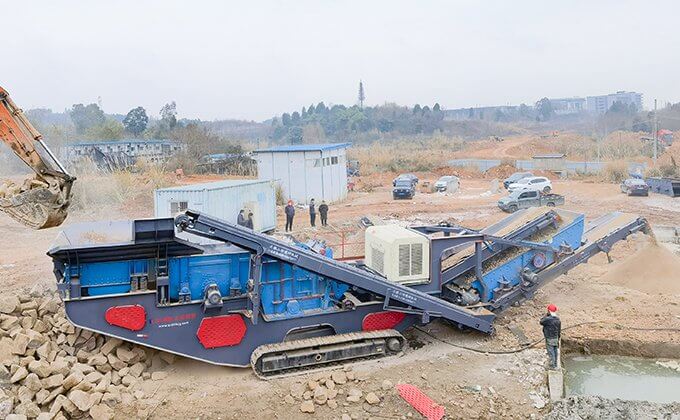
Upon these facts will depend whether you should select a tracked (greatly mobile, better for rough going) or wheeled (quicker to shift but needs towing) type of mobile crusher plant.
2.2 Choose a suitable power source
There are three good sources of power today, and they all have their advantages and disadvantages. You can choose according to your requirements.
Diesel engine: Self-sufficient and requiring no reliance on external power sources, it offers exceptional mobility. However, it entails higher operating costs and presents significant issues regarding exhaust emissions and noise. It is particularly well-suited for remote work sites lacking access to an electricity supply.
Electric drive: Offers low operating costs, minimal noise, and significant environmental benefits. However, it requires a connection to the power grid and necessitates rewiring when relocating the equipment, resulting in relatively limited flexibility. It is ideally suited for stationary or long-term operational scenarios.
Diesel-Electric hybrid: Provided that on-site power supply conditions are met, this solution offers significant economic advantages. Furthermore, it is ideally suited for relocating equipment between different operational zones or for switching to diesel mode during grid outages to ensure uninterrupted production. This solution strikes an excellent balance between overall flexibility and cost-effectiveness, making it particularly well-suited for high-intensity, continuous production operations.
Step 3: Select the Main Crusher
This is the main technical selection criterion and ultimately determines the crushing results.
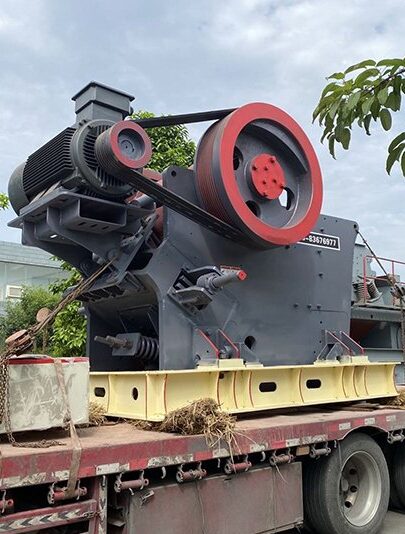
Mobile jaw crusher: Treats a coarse raw feed material. Its sturdy structure and strong crushing ability serve as a first stage for obtaining a coarse product from hard material.
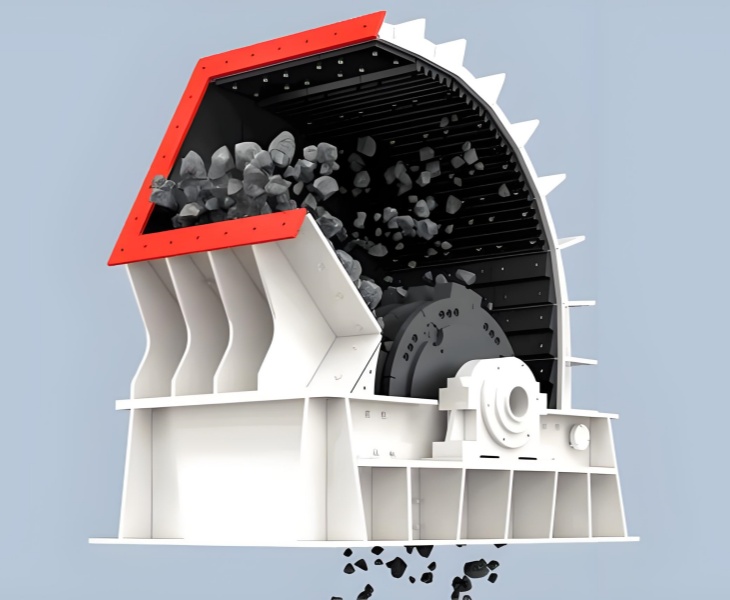
Mobile impact crusher: Works according to the principle of impact crushing, giving a good-shaped product (cubic). It is designed for medium and low-hardness materials (limestone, construction waste), and allows easy adjustment of product size.
Mobile cone crusher: Works according to the principle of laminated crushing. It has sufficient protection against wear and gives excellent output. This is the ideal crusher for hard materials (granite, river pebble).
Mobile sand maker (mobile VSI crusher): Works for sand making and shaping. Gives 0-5mm manufactured sand, the product is mainly cubic. Shaping is required in applications where the all-important particle size shape is important.
Step 4: Consider the Costs
4.1 Capital costs
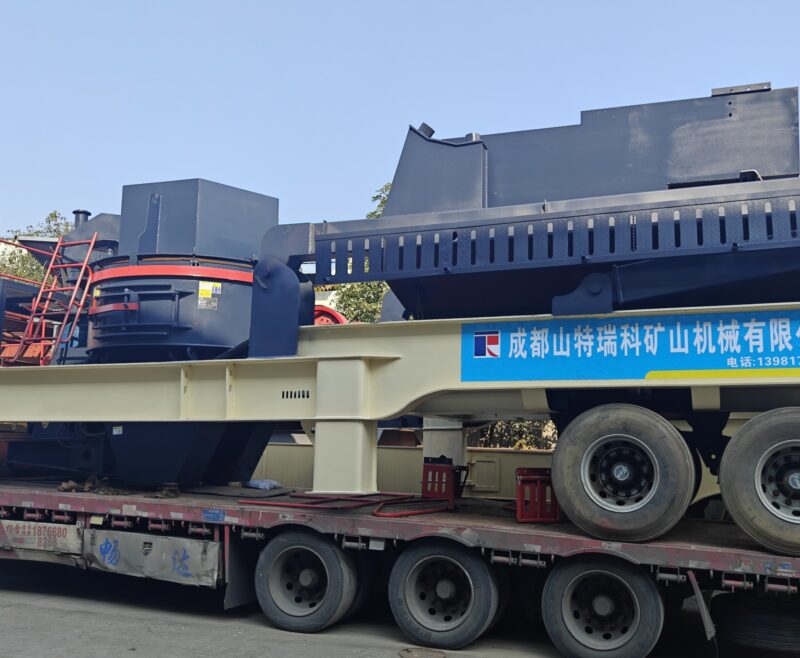
The acquisition price of the equipment itself should encompass all costs associated with transportation, installation, and commissioning for production. For instance, transporting a crawler crusher plant typically necessitates specialized transport vehicles or heavy-duty trucks. Consequently, its transportation costs are often higher than those of wheeled equipment.
4.2 Long term running costs
Cost of wear parts: The replacement cycle and single replacement costs of wear parts, jaw plates, blow bars, side liners etc.
Cost of energy consumption: Energy costs can be measured and compared based on the cost per kilowatt-hour (kWh) for diesel consumption versus electricity consumption. In the long run, there is a significant cost difference between the two.
Cost of maintaining and operating labour: The down time due to faults in the plant mainly governs the down time effect on loss of income and maintenance charges involved. Highly developed automatism could also obviate considerable costs on the labour side.
Step 5: Choose a Good Mobile Crusher Supplier
You’re not only buying a machine; you’re buying up to ten years of service. So, selecting a professional mobile crusher supplier is very important.
Evaluate the manufacturer’s strength:
Examine their ability and success in R&D. Visit the provider’s factory and manufacturing equipment.
Ask about after-sales service:
How quick is the response time? Can problems be resolved quickly?
Are spare parts supplied promptly? Do you stock common parts?
Is training and support provided? Professional service to guarantee continuous and uniform equipment operation.
We hope these 5 stages can help you select a suitable mobile crusher plant.
If you still have any questions, please feel free to give us your specific question. Sandreck’s team is pleased to give you a free and detailed scheme for the selection of a mobile crusher, a free quote, and arrangements for visits to sites which are in successful operation. Contact us to know more!