
1.Gold (Au)
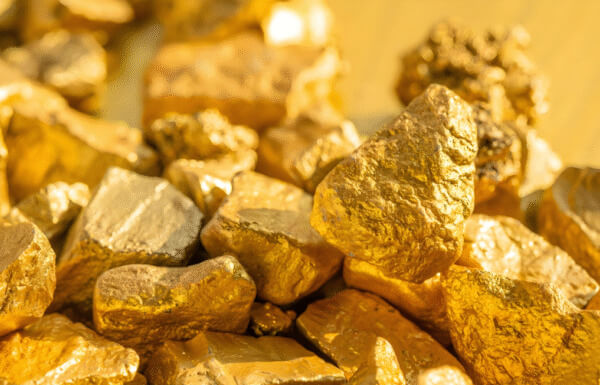
Gold is undoubtedly the most recognized precious metal, and its unique qualities of luster, malleability, and resistance to corrosion are unparalleled.
Primary Sources: Gold is typically mined in two types of ore as vein deposits (lodes) or found as alluvial particles in placer deposits and sediment in river banks. Countries that produce the most gold include China, Australia, Russia, and the US
Extraction Methods: The extraction method will depend on the ore type.
- Free-Milling Ores: For ores where gold is liberated by crushing, the conventional methods are carbon in leach (CIL) and carbon in pulp (CIP), where cyanide leaching is used, and the gold is absorbed to activated carbon.
- Refractory Ores: When gold is locked into sulfide minerals, a pre-treatment to the ore is done before the leaching process, which could involve roasting, pressure oxidation (POX), and bio-oxidation.
- Placer Deposits: Placer deposits typically can be processed without any chemicals; they rely on gravity separation methods, including sluice boxes, jigging, and centrifugal concentrator methods.
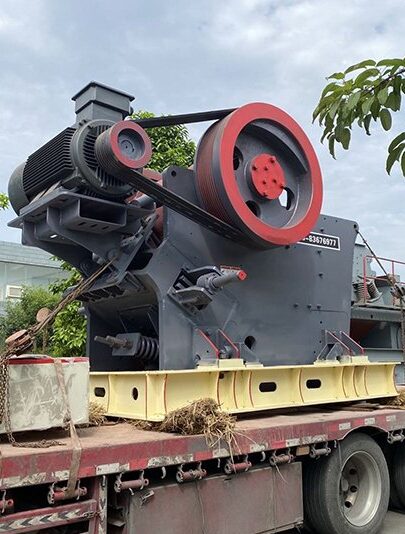
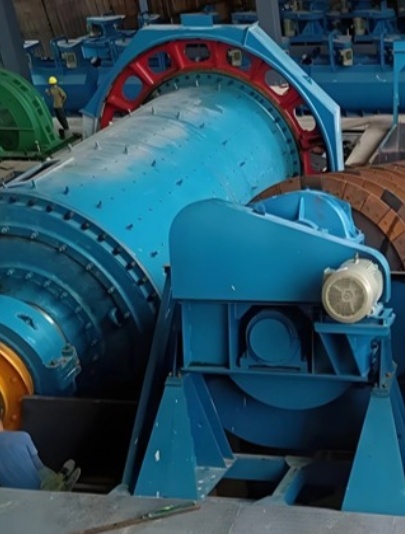
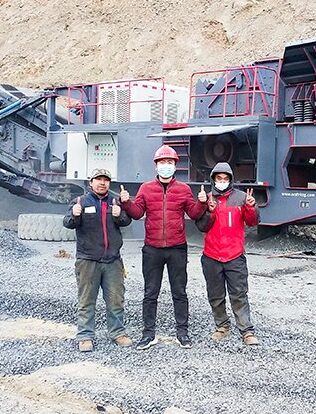
Aa a professional mining machine manufacturer in China, we will perform a diagnostic leach analysis, so we will identify the optimal pathway for extraction and supply the best reagents for optimization and design of the process for complex and non-complex ores.
2.Silver (Ag)
Silver has the highest electrical and thermal conductivity of all metals, and it is an important industrial metal, distinct from its monetary and decorative value.
Primary Sources: Unlike gold, there are very limited primary silver mines. Silver is produced over two-thirds as a by-product from the processing of lead, zinc, copper, and gold ores. Some of the largest primary silver deposits occur in Mexico, Peru, and China.
Extraction Methods: As a general method, the recovery of silver is often associated with and part of the recovery of another metal.
- From Lead/Zinc Ores: During the flotation process, silver goes to a lead concentrate as a by-product and is recovered from the lead ingots from the Parkes process during lead refining.
- From Copper Ores: Silver will be present in the anode slimes when electrolysis is used for copper refining.
- Direct Silver Ores: Direct silver ores can be treated using cyanides in a leaching process similar to gold, or they can be processed by smelting.
As a supplier of flotation reagents and optimizers, Sandreck can add value through improving the recovery of these valuable by-products (silver), not only for the main by-product, but also for project economics.
3.Platinum (Pt)
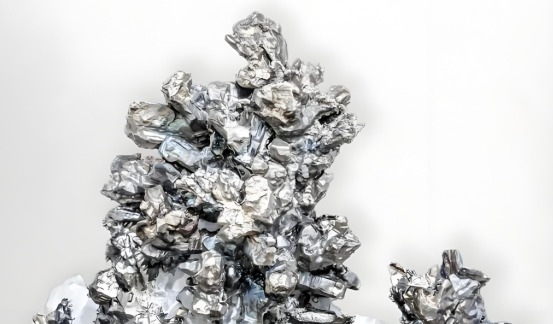
Platinum is a unique metal that is dense and rare. Platinum is highly valuable due to its catalytic properties and because it’s able to resist high-temperature decomposition.
Primary Sources: Greater than 75% of the world’s platinum originates from the Bushveld Igneous Complex in the southern region of South Africa. Platinum is recovered mainly from reef deposits, with other Platinum Group Metals (PGMs) typically contained together.
Extraction Methods: Mining for platinum is an energy-intensive and complex process.
- Conventional Crushing and Flotation: The ore is mined, before it is crushed, milled, and flotation is used to concentrate the ore, resulting in a flotation concentrate that is rich in PGMs.
- Smelting and Refining: The flotation concentrate is dried and then smelted in a furnace above 1,500°. The liquid material is then converted to a matte that contains PGMs, along with copper and nickel. The matte is refined further via leaching and precipitation, and ultimately finally separated via chloride leaching and solvent extraction.
Sandreck develops and formulates flotation chemistries to maximize PGM concentrate grade and recovery from complex ore bodies.
4.Palladium (Pd)
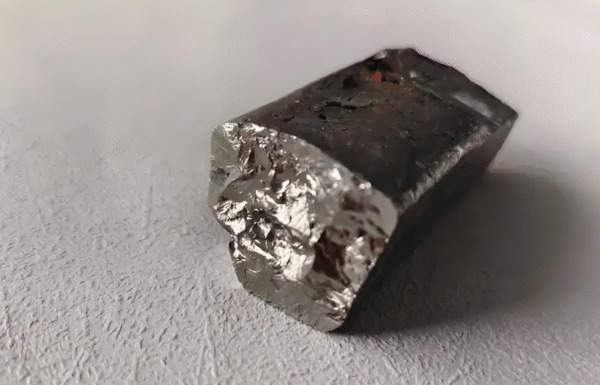
Palladium is very similar to platinum in many of its properties, but is less dense and has, in particular, become more important in automotive catalytic converters for lowering emissions.
Primary Sources: The bulk of palladium is mined from Bushveld Complex in South Russia and the Norilsk-Talnakh deposits in Siberia, Russia, in addition to being recovered as a by-product of nickel mining in Canada.
Extraction Methods: The extraction method for palladium is exactly the same as that for platinum until the last steps, where palladium and platinum are separated, because palladium and platinum occur together in nature.
Essentially, the flotation, smelting, and conversion steps are the same process. The only difference is in the final refining and separation step, as you are separating the individual PGMs, palladium from the solution now by using hydrometallurgical methods.
Here at Sandreck, we are specialists in the field of hydrometallurgy and can assist you in designing and developing efficient leaching and purification circuits with the aim of separating and recovering high-purity palladium.
5.Rhodium (Rh)
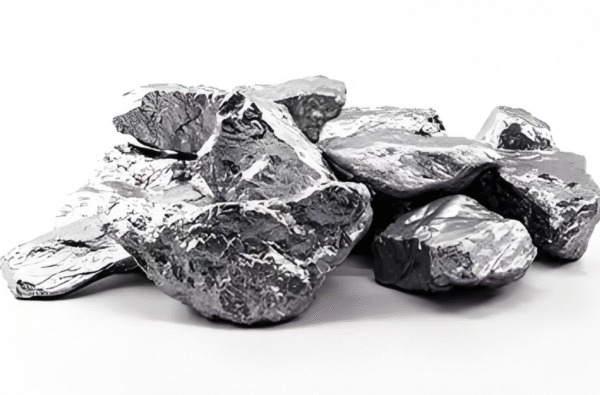
Rhodium is the most valuable of the PGMs because of its extremely rare occurrence and its outstanding ability to catalyze the oxidation of nitrogen oxides in exhaust systems.
Primary Sources: Rhodium is only ever mined as a minor by-product during the processing of the platinum and palladium mined by-products. Rhodium occurs in ore, sometimes in parts per billion. Thus, it is the rarest of the precious metals mentioned in this list.
Extraction Methods: Recovery of rhodium metal is the ultimate in complex metallurgy. It goes through the same initial flotation and smelting steps as other PGMs.
During the finalization of the PGM concentrate, rhodium will be recovered as one of the last elements because of its chemical inertness. This method of processing involves multiple stages of precipitation, dissolution, and ion exchange. The result is often rhodium salt, which is then reduced to pure metal.
Sandreck support refineries with advanced chemical process solutions to enhance the yield and efficiency of this method of separation, which is capital-intensive.
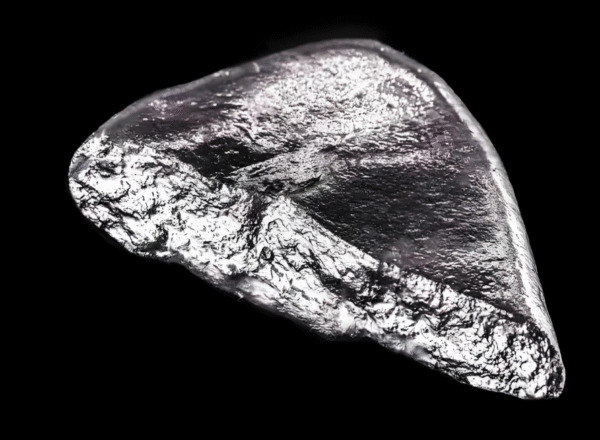
While these five precious metals differ by the degree of rarity and the subsequent product uses, they are all governed by the need for complex, effective, and economically sustainable processing and refinement. Ultimately, the success of a precious metal mining venture depends on developing an understanding of the mineralogy and applying the suitable technology.
That is where Sandreck comes in. Sandreck is not just a mining equipment supplier – we are an optimization partner. Are you ready to improve your precious metal recovery? Contact our experts today for a consultation.